

Quartu, an exhibition featuring works by Magritte, De Chirico, Sironi, and Klinger
The exhibition at the former Capuchin convent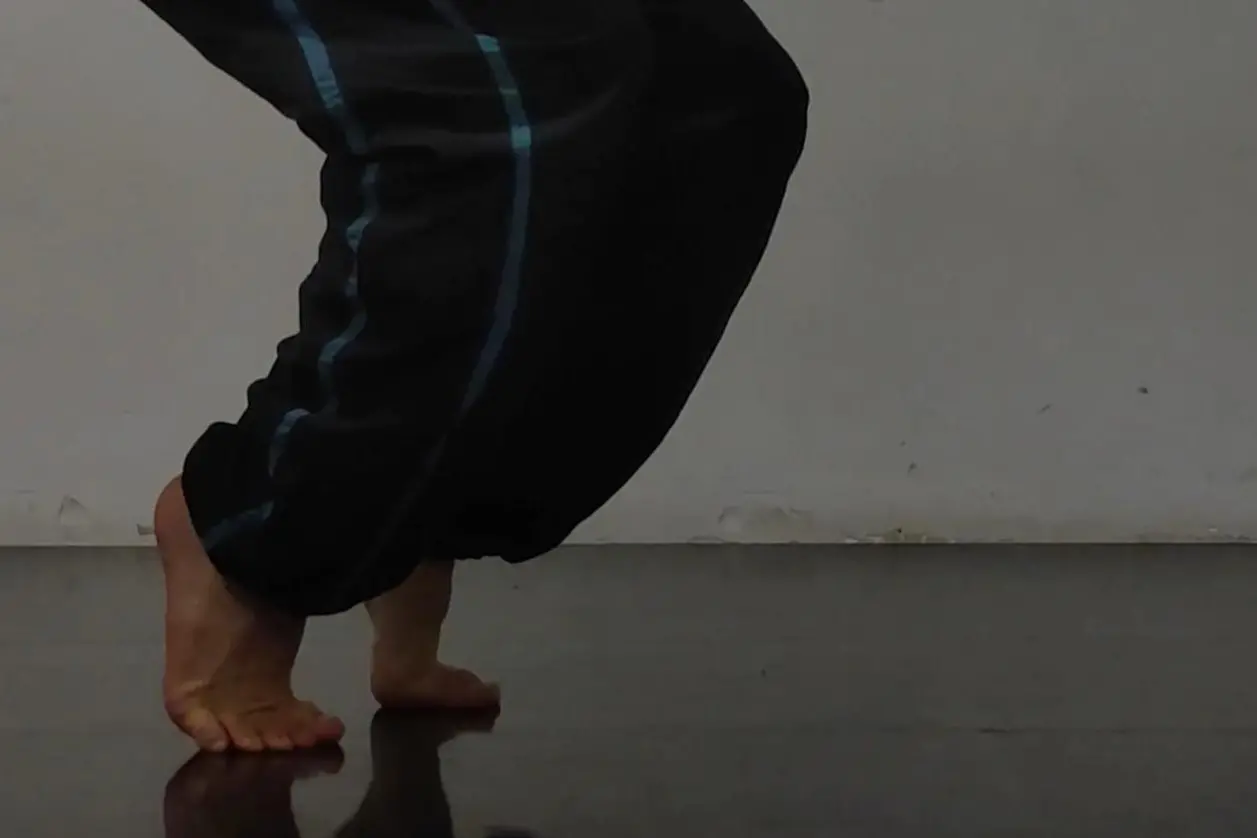
Per restare aggiornato entra nel nostro canale Whatsapp
Art begets art, not only from a creative perspective, with works often inspired by other masterpieces, but also because of the enthusiasm generated around a cultural event, a gallery, or an exhibition, like the one currently underway in Quartu at the Ex Convento dei Cappuccini, featuring works by masters such as Magritte, De Chirico, Sironi, and Klinger. This interest and participation will continue uninterrupted throughout the holidays: "OltreUomo" doesn't even close during the holidays, but rather relaunches with a live dance performance.
The exhibition, inspired by the concept of the Superman ( Übermensch ), one of the most well-known and misunderstood concepts in Friedrich Nietzsche's philosophy, will also be open on Christmas Day, Boxing Day, and New Year's Day. To enjoy a bit of culture with the necessary calm, and fully enter the world of art, with its philosophical roots, and its role in the critique of traditional morality, which becomes the proposal for a new ethic of autonomy and creation.
During the three holidays, the exhibition will be open from 10 am to 12 pm and from 5 pm to 7 pm. On other days, until January 6, 2026, the hours will remain the same: from 9 am to 12 pm and from 4 pm to 7 pm, with guided tours on Saturdays—in the morning at 9 am, 10 am, and 11 am and in the afternoon at 4 pm, 5 pm, and 6 pm—and on Sundays by reservation, by emailing info@premiomarchionni.it or calling +39 340 347 3320.
Furthermore, a special event is scheduled for Saturday, December 27, from 4:30 pm to 7:00 pm. Nietzsche's philosophy is outlined in another language: that of dance, the highest expression of the Dionysian impulse in the human soul. In "Thus Spoke Zarathustra" (1881), a literary masterpiece famous for its presentation of the Übermensch and the death of God, this art form dominates, understood as a rediscovery of vitality, lightness, and creative joy, which counterbalance the heaviness of those who live anchored to morality, devaluing natural impulses.
The performance, curated by Lorenzo Marchionni, begins with a defined, recognizable, and legible movement pattern. This pattern then develops and becomes exaggerated, stripped down, redefined in space and time, until it loses its core nature and transforms into something new and irremediably unique. Knowledge of a previous model thus becomes the preamble to a revolution, a symbol of the dancer's ability to "act" and adapt, understood both as chaos (change) and organization, Dionysus and Apollo.
