

Memory, care, and community: the Galluras Museum continues to be in the international spotlight.
Bringing the experience to the United States is researcher Lara Corona, professor at the Universitat Internacional de Catalunya and member of the board of the College Art Association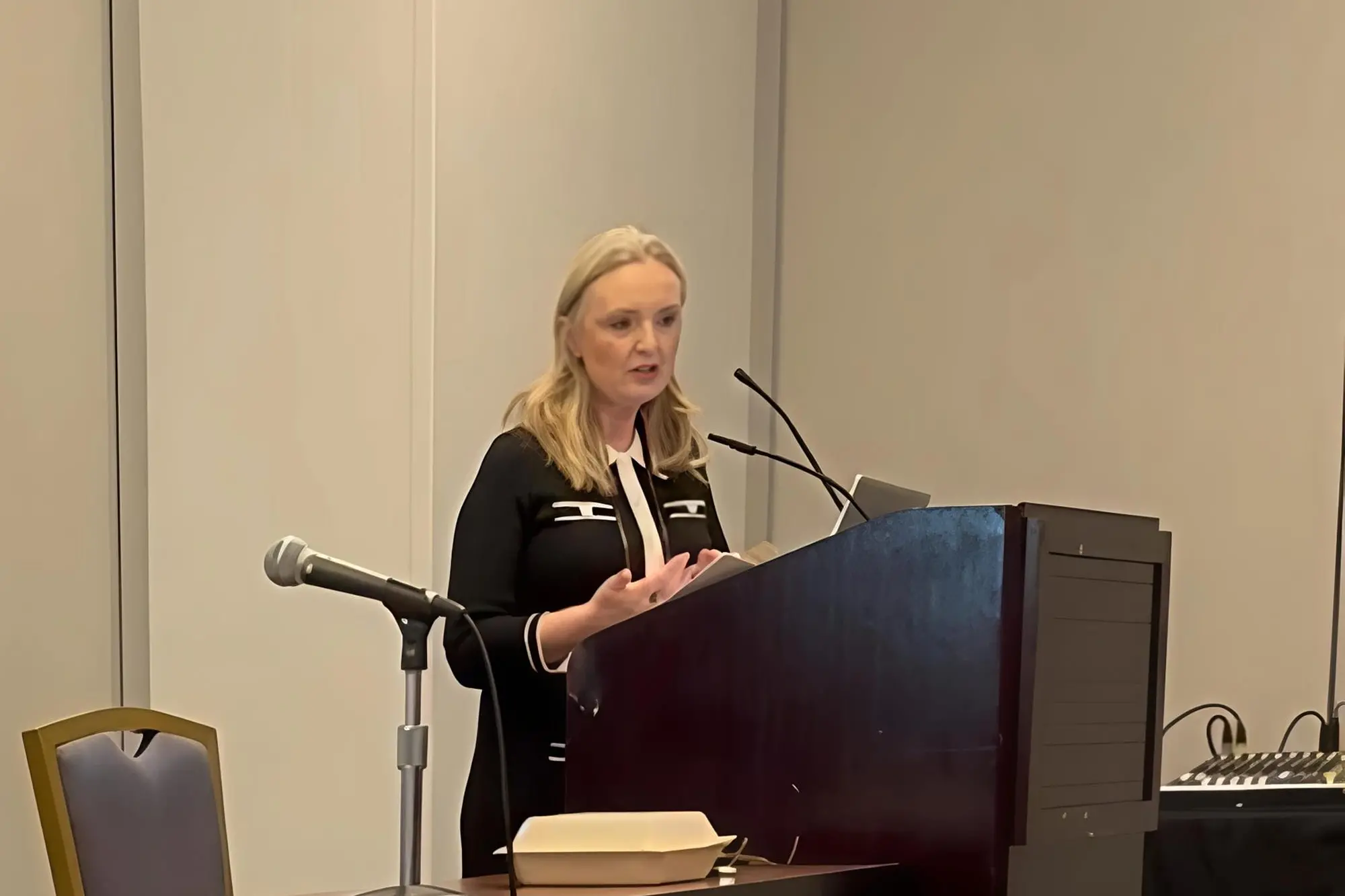
Per restare aggiornato entra nel nostro canale Whatsapp
From Sardinia to Chicago. The Galluras Museum continues its journey into international academic circles, following its success at the 17th Congress of the Spanish State Association of Anthropology (ASAEE) in the Canary Islands. Bringing the Galluras museum's experience to the United States is researcher Lara Corona, a professor at the Universitat Internacional de Catalunya and a board member of the College Art Association, who presented a study in Chicago on "Curatorial Strategies and Community Connections at the Galluras Museum."
At the heart of the research is the Museum of the Femmina Agabbadora, founded and directed by Pier Giacomo Pala. This exhibition space, according to Corona, overturns the traditional narrative: women are no longer marginal figures in domestic history, but protagonists of memory and the transmission of knowledge. Through the immersive reconstruction of a traditional Gallura home, the museum explores female roles throughout the fundamental stages of life—from birth to death—restoring women's roles as custodians of knowledge, relationships, and continuity between generations. Particular attention was paid to the figure of the Femmina Agabbadora, placed not within a folkloristic context, but within a historical network of care and ethical responsibility related to the end of life. This representation neither simplifies nor offers definitive answers, but rather invites us to engage with the moral and cultural complexity of the topic. Another distinctive element is the museum's curatorial approach, based on collaboration with the local community. The oral histories of women and elders form the backbone of the exhibition.
"In the Galluras Museum," Corona emphasizes, "80% of the value lies in the relationships it fosters, while only 20% is the objects themselves." Each artifact, in fact, carries memories and emotional bonds that define its meaning. The result is a museum that presents itself as a living organism, a constellation of relationships in which care becomes a cultural, ethical, and political practice. A model that continues to spark interest among enthusiasts and scholars in Gallura.
