

The autopsy on little Domenico: "At the time of the removal, his heart was healthy." The head physician defends himself: "I'm the victim."
It was therefore dry ice that damaged the organ: two of the seven suspects have made their voices heard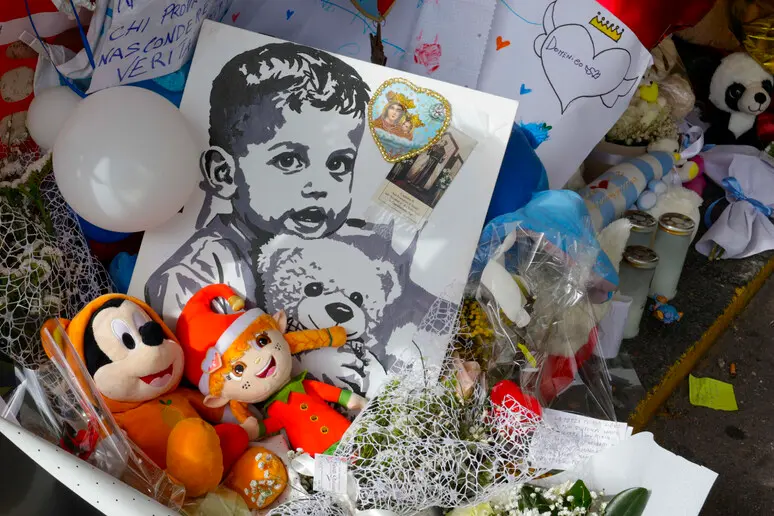
(Handle)
Per restare aggiornato entra nel nostro canale Whatsapp
The final farewell to Domenico is scheduled for tomorrow at 3:00 PM in Nola Cathedral . And it's a sure thing, it will be a huge and emotional gathering, with countless people—including Prime Minister Giorgia Meloni in the front row—ready to gather around his mother Patrizia and father Antonio for the funeral of their two-and-a-half-year-old son , the victim of an incredible case of medical malpractice that kept Italy in suspense for days.
The autopsy was performed today at the Secondo Policlinico in Naples. An initial examination, explains the Caliendo family's medical examiner, Dr. Luca Scognamiglio, revealed "no lesions on the heart" removed in Bolzano and destined for Domenico. "In particular, there does not appear to be the cut on the ventricle that some sources have mentioned."
After days of silence, two of the seven people under investigation for manslaughter have also spoken out. Reached by a correspondent for the Rai 3 program "Lo Stato delle Cose," Guido Oppido, a cardiac surgeon at Monaldi Hospital, absolved himself: "I only know that I did things well, I did them well, therefore I am the victim . I wasted 11 years of my life operating on children here in Campania. I have operated on 3,000 children. I am going through all this," he added, "because I tried to help other people's children."
The lawyers of Dr. Gabriella Farina, the Monaldi surgeon in charge of removing little Domenico's heart in Bolzano, Anna Maria Ziccardi and Dario Gagliano, are also counterattacking. They are calling for a full investigation into what happened at the Bolzano hospital, specifically identifying the culprits who provided the dry ice to cool the heart on its way to Naples . "This is an aspect that deserves further investigation."
The two lawyers maintain that " it cannot be disputed that Dr. Farina knew full well that water ice is used to transport organs . This is undisputed, especially since they used water ice when they left. Someone else was unaware of this, and this is an aspect that, in our opinion, absolutely needs to be investigated further ."
Infectious disease specialist Matteo Bassetti also had an idea of what happened. "When you're not used to doing so many transplants," he explains, "and in Naples they'd only done one in three years, and you're not used to following as many procedures, mistakes happen more easily." This is why, he says, "it doesn't make sense to have multiple centers; it would be more useful to have just one that does them all."
(Unioneonline)