

Hacker attacks: A summit at the Ministry of the Interior discusses vulnerabilities and countermeasures.
Bomb threats may have been triggered by hacked school emails. Monitoring vulnerable structures.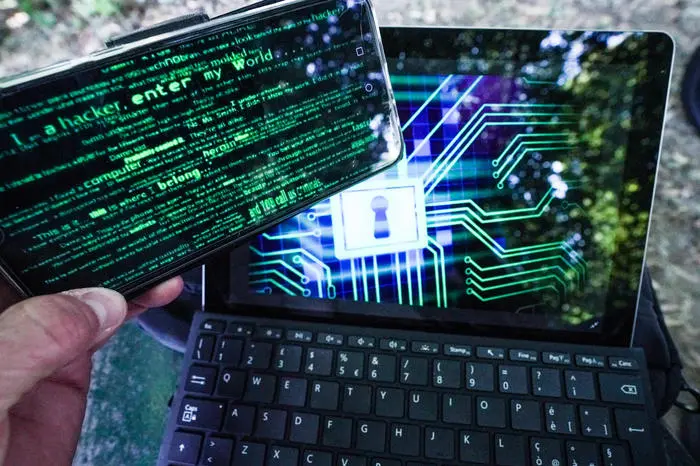
(Ansa - Tino Romano)
Per restare aggiornato entra nel nostro canale Whatsapp
A summit to monitor still-vulnerable IT systems, new protocols for infrastructure requiring increased protection, and an assessment of investigative leads on recent cyber attacks. A crackdown on hybrid warfare could be implemented at the Interior Ministry next Tuesday: the National Committee for Public Order and Security, convened by Interior Minister Matteo Piantedosi, will bring together the heads of the police force and intelligence services to explore prevention issues and also to understand the origins and sources of the recent hacker offensive, from false alarms to cold chain sabotage, to the publication and search for sensitive data of politicians and investigators by cybercriminals on the dark web.
If the hypothesis that some of the threatening messages directed at Italian airports originated from hacked school emails is confirmed, a reflection on the need to raise the level of cyber defense at schools across the country could be initiated. Other messages, however, were simply anonymized using the "Proton Mail" system. In short, all the vulnerabilities that allowed hackers to operate so easily will need to be thoroughly investigated, along with screening of infrastructures that are still too exposed, to identify those still exposed and adapt them to more stringent protocols. This is especially true in light of the hacks that hit Montecitorio a few days ago, where the email accounts of several MPs were compromised, including that of Prime Minister Giorgia Meloni. It is no coincidence that the Computer Security Incident Response Team Italy (CSIRT) found that in the first nine months of 2026, nearly 45,000 assets and services were identified as at risk, with over 3,200 potentially compromised. According to figures reported by the National Center for Cybersecurity (ANC), 3,271 cyber events were detected in the first nine months of 2026, compared to a total of 2,729 for the entire year of 2025. Of these, 1,992 were classified as "incidents," meaning events with a confirmed impact. Then there's the question of the actual identity of the cybercriminals and their possible coordination.
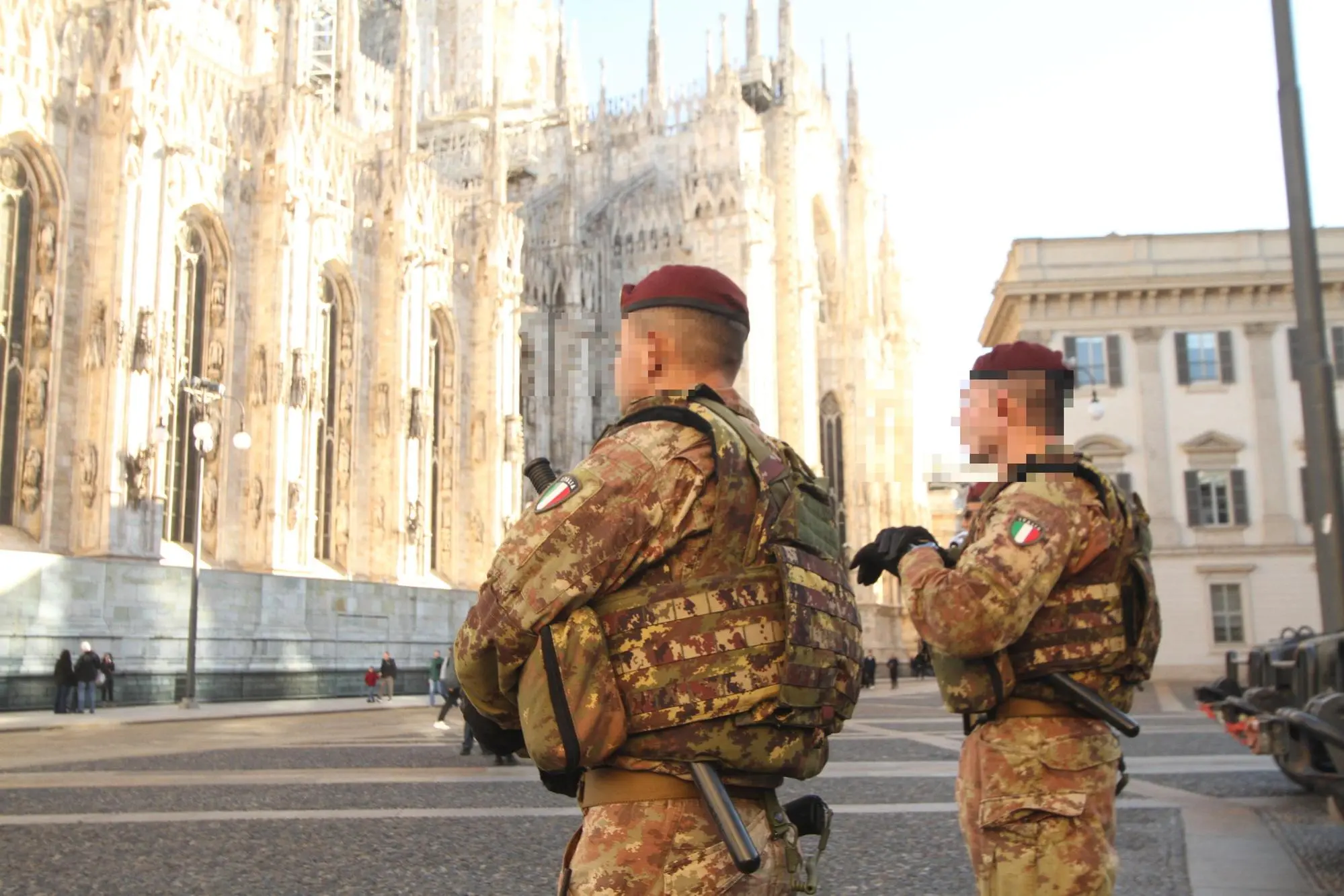
Cyber attacks in Italy and across Europe have diversified, with the pro-Russian Noname collective in particular attracting attention (they have actually claimed responsibility for some of the attacks). However, there is no certainty that all the attacks are attributed to the same hacker group, and the possibility remains that someone may be exploiting the strategy of chaos across computer networks, hiding behind the names of the most notorious hackers. Investigations are thorough but far from complete; the National Cybersecurity Agency has sent reports to the National Anti-Mafia and Anti-Terrorism Prosecutor's Office, which is coordinating the district offices, and the Postal Police is continuing its investigations. A series of elements will be collected and compared before being brought to the next meeting, also this week, announced by Europol, which has convened the investigative forces of all the countries involved in the recent attacks. Beyond this specific focus, the meeting of the Ministry of the Interior's National Committee for Public Order and Safety—which will also include the heads of the Police, Carabinieri, and Guardia di Finanza—is expected to address other issues, such as regular updates on the "Safe Streets" operation, which involves the deployment of Army personnel deployed to various sensitive locations across the country, and an update on upcoming police recruitment plans.
(Unioneonline)