


From devotion to contemporary fragility: "Madre" opens at the Diocesan Museum of Oristano
The exhibition, which opens tomorrow at 7pm, features five curators.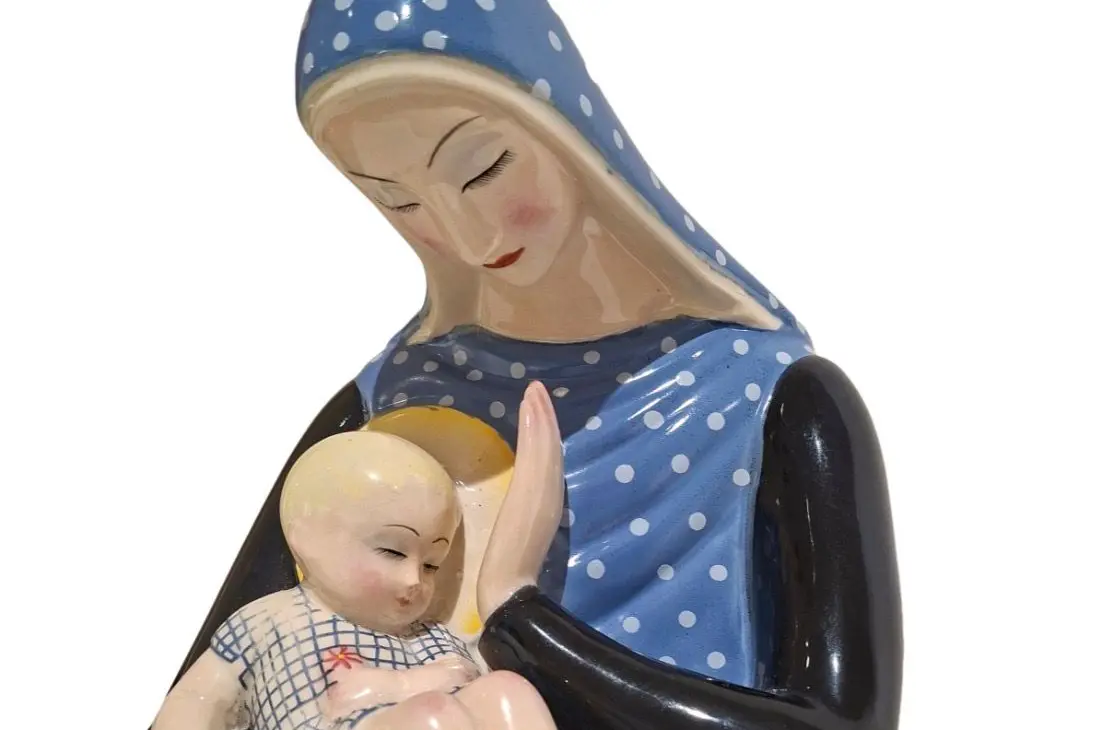
Per restare aggiornato entra nel nostro canale Whatsapp
There's a word that, when spoken, immediately evokes something universal. A word that spans cultures, eras, and languages. That word is "mother." And it is precisely around this word that the new exhibition at the Museo Diocesano Arborense in Oristano revolves, opening tomorrow at 7:00 PM with an exhibition that brings together approximately fifty works, including paintings, sculptures, and ceramics from profoundly diverse eras and artistic sensibilities.
The exhibition is titled "Mother" and is the result of a collaborative effort of care and shared vision. Among the five curators—Alessandra Pasolini, Maria Francesca Porcella, Antonino Zedda, and Antonello Carboni—is Silvia M.R. Oppo, director of the Museum, who explains the profound meaning of this project.
"We wanted to create a space where time stands still," Oppo explains. "The figure of the Madonna isn't just part of the history of sacred art. She's a living presence, capable of speaking to the anxieties of our present. Placing her in dialogue with contemporary works means asking ourselves what motherhood, care, and closeness to the vulnerable still mean today."
The exhibition carefully interweaves narrative, devotional, and artistic exploration. The Madonna emerges at times as a solemn and distant presence, at times as an everyday and proximate figure, capable of renewing herself without losing her symbolic weight. "We didn't want a purely iconographic interpretation," the curator explains. " In this exhibition, Mary becomes a gateway, a passage between the most concrete human experience and the striving toward something transcendent. She is a discreet yet powerful presence. She accompanies, she suggests, she doesn't impose ."
Making the project even richer is the quality and diversity of the artists selected. Among the names featured are Edina Altara, Francesco Ciusa, Maria Lai, Pinuccio Sciola, Mario Delitala, Nicola Caredda, and many others representing different generations and artistic languages, alongside more recent voices like La Fille Bertha. This intertwining of generations perfectly reflects the exhibition's ambition: not a nostalgic review, but a lively exchange between eras.
"When we started working on the exhibition," Oppo continues, "we realized how that figure could unite seemingly distant worlds. A seventeenth-century work and a contemporary ceramic can engage in a surprising dialogue, if the focus is deep enough."
"Mother" will be open until June 28, 2026, Tuesday to Sunday, 10 am–1 pm and 4–7 pm. A chance to discover, amid works that gaze at each other and reach out, that the silent figure at the center of it all wasn't waiting to be studied. She was simply waiting to be encountered.
