

EU U-turn: Ban on diesel and petrol engines from 2035 onwards
Twelve months after the start of the dialogue with the automotive sector in crisis, the Commission rewrites the regulation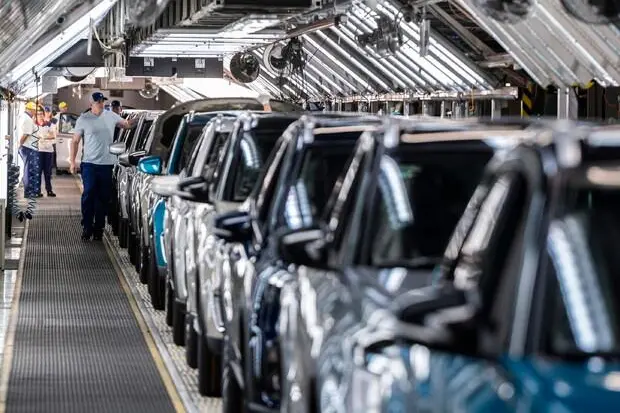
Per restare aggiornato entra nel nostro canale Whatsapp
Brussels's abrupt, yet long-awaited, U-turn on its total ban on the sale of internal combustion engines starting in 2035 is a dramatic change. This move has become a symbol of a Green Deal increasingly under pressure from industry and governments.
Twelve months after starting a dialogue with the struggling automotive sector, the EU Commission is rewriting the emissions regulation, allowing car manufacturers to reduce tailpipe CO2 emissions by 90% from 2035 compared to 2021, rather than the 100% currently envisaged.
The revision launched in Strasbourg after intense discussions among the commissioners - who extended the time for the presentation of the package by a few hours - therefore leaves room on the post-2035 market for the marketing of vehicles with internal combustion engines, plug-in hybrids and range extenders, not just electric or hydrogen ones.
The automotive giants will have to offset the remaining 10% of emissions through 'credits' that they can accumulate by using low-emission steel 'made in Europe' to build their vehicles or by using sustainable fuels, such as e-fuels and advanced biofuels.
As long as—the Berlaymont Palace specifies—they are not food-based biofuels. According to EU estimates, a 30-35% share of non-fully electric vehicles will be allowed on the post-2035 market.
"Europe remains at the forefront of the global transition to a clean economy," assured EU executive leader Ursula von der Leyen, as if to reassure the public that the revision will not undermine the EU's transition objectives. However, what came from Strasbourg is a "breach in the wall of ideology," in the words of Minister of Enterprise and Made in Italy, Adolfo Urso, who asserted Rome's role in advancing the battle for the principle of technological neutrality, now recognized in the revised rules. However, this is "too little," according to Confindustria President Emanuele Orsini, who urges the EU to "stop doing only half-measures: they have to do things, and today they're not doing them."
Stellantis considers the choice a first step that, however, "does not significantly address the issues the sector is facing," particularly for commercial vehicles, while it appreciates the support for small cars.
Among other flexibilities, Brussels grants a three-year period – from 2030 to 2032 – to comply with the new emissions reduction limits and also revises downwards – from 50% to 40% – the emissions reduction target for vans by 2030 .
Along with the simplification of some sector regulations, with estimated savings of over €700 million per year for the industry, the EU executive is launching a new regulatory category for small electric vehicles—"up to 4.2 meters long"—which will benefit from regulatory constraints frozen for a decade and which, "if produced in the EU," can be used by car manufacturers as 'supercredits' in achieving their fleet-wide emissions targets.
With €1.8 billion in support—€1.5 billion of which will be provided in interest-free loans starting next year—the EU is announcing support for the battery supply chain, entirely produced in the EU. It is also proposing mandatory national targets for 2030 and 2035 for company fleets, which account for approximately 60% of new car sales in the EU. However, it is leaving it up to individual countries to decide how to achieve them.
According to the proposal, Italy will have to ensure a minimum share of zero-emission company vehicles of 45% by 2030 and 80% by 2035. For the association representing EU automobile manufacturers (ACEA), the plan announced today is a first step toward creating a "more pragmatic and flexible path" for the decarbonization of the sector. "Greater flexibility and the recognition of technological neutrality" in the sector's transition represent a "radical change compared to current legislation," emphasized Director Sigrid de Vries.
