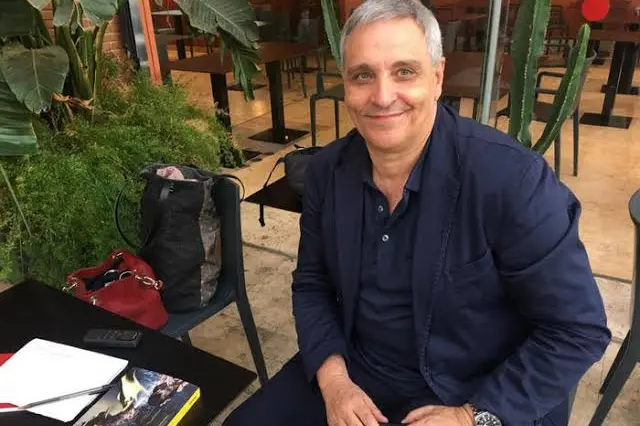
Conference in Rome on the durum wheat supply chain: the University of Sassari is involved.
The Department of Agriculture coordinates the study on wheat diseases and the effects of climate change.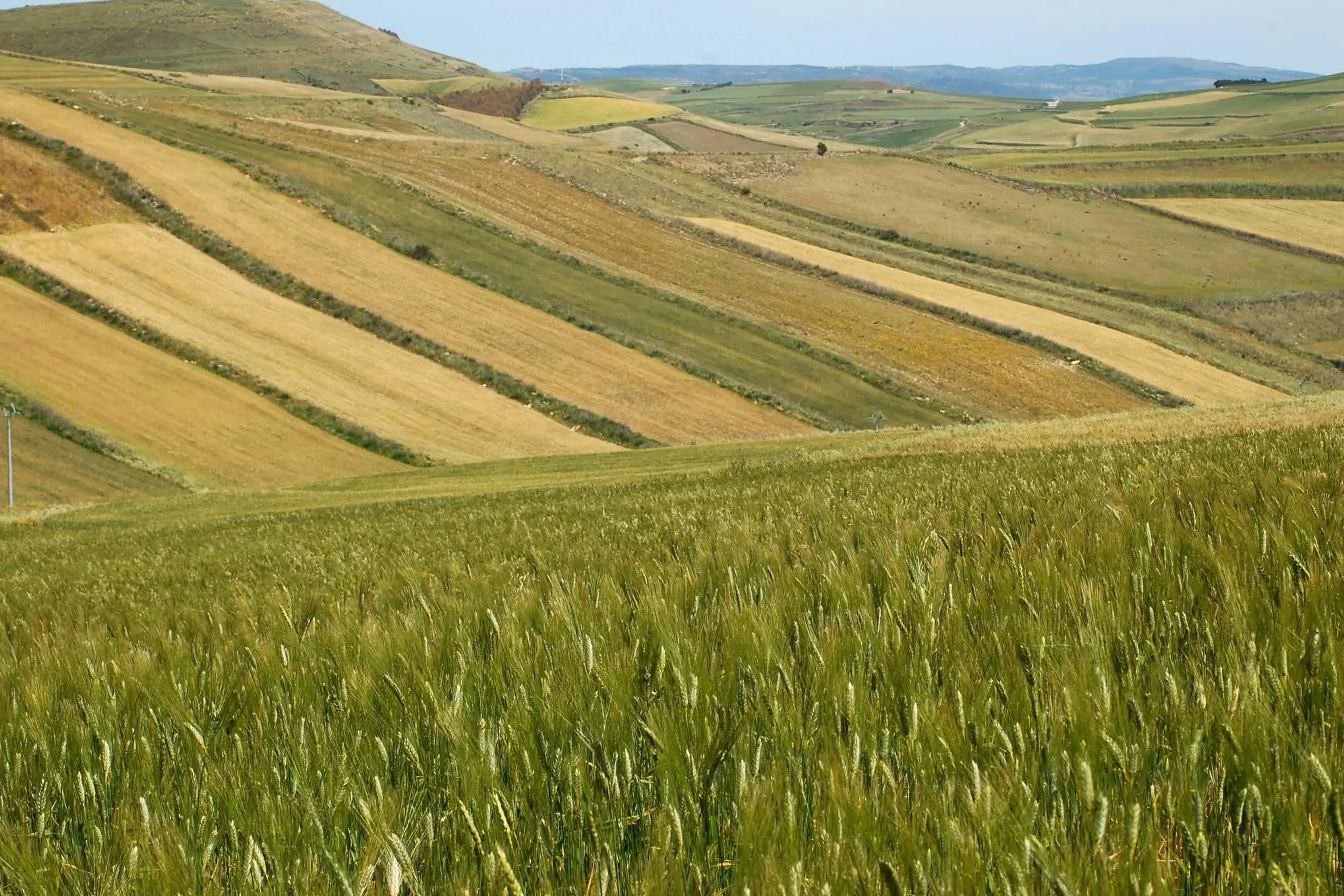
Per restare aggiornato entra nel nostro canale Whatsapp
The Donat Cattin Hall of the "Via Rieti" Auditorium in Rome will host the national conference "Italian Research for the Sustainability of the Durum Wheat Supply Chain" on Thursday. The scientific event is part of the dissemination activities of the PRIN (Projects of Relevant National Interest) programs funded by the Ministry of University and Research and the PNRR (National Renewable Energy Network). The goal is to promote research results and facilitate the transfer of knowledge to operators in the agri-food supply chain.
The research network involves 13 university departments, two CNR institutes, a CREA research center, and over 100 researchers. The Department of Agriculture of the University of Sassari coordinates the CROWN project ("Fusarium Crown Rot on durum wheat in Southern Italy: epidemiology, evolution, and toxigenic potential in a climate change scenario"), which aims to provide, in collaboration with the Institute of Food Production Sciences of the CNR in Bari, a comprehensive and up-to-date overview of the disease known as Fusarium Crown Rot on durum wheat in Southern Italy, linking biological, genetic, climatic, and agronomic data.
The knowledge generated will allow us to identify the most vulnerable areas, promptly recognize signs of pathogen spread, and develop more effective defense strategies. In an agricultural context increasingly exposed to the effects of climate change, the availability of predictive tools and robust scientific information is an essential step towards ensuring the sustainability of cereal production and the quality of food for consumers.
The initiative's uniqueness lies in its ambition to transcend individual project objectives by integrating the expert expertise of numerous research groups that have operated with different methodological approaches in various regional settings, laying the foundation for success in scientific collaboration for the interpretation and valorization of innovations.
"The conference," explains Quirico Migheli, scientific director of the CROWN project, "has an impact that goes far beyond the objectives of the ecological and digital transition supported by scientific research, because it makes a concrete contribution to the modernization of the cereal sector, focusing on environmental sustainability, business competitiveness, and a vision of an integrated agro-industrial supply chain. Central to this process is the need to grow durum wheat in perfect phytosanitary conditions, capable of adapting to changing climates, and capable of ensuring stable production and high-quality grain."