

Carbonia, between archaeology and divinity: where and how sacred rites were celebrated
Archaeologist Nicola Dessì recounts the phases of the Nuragic civilization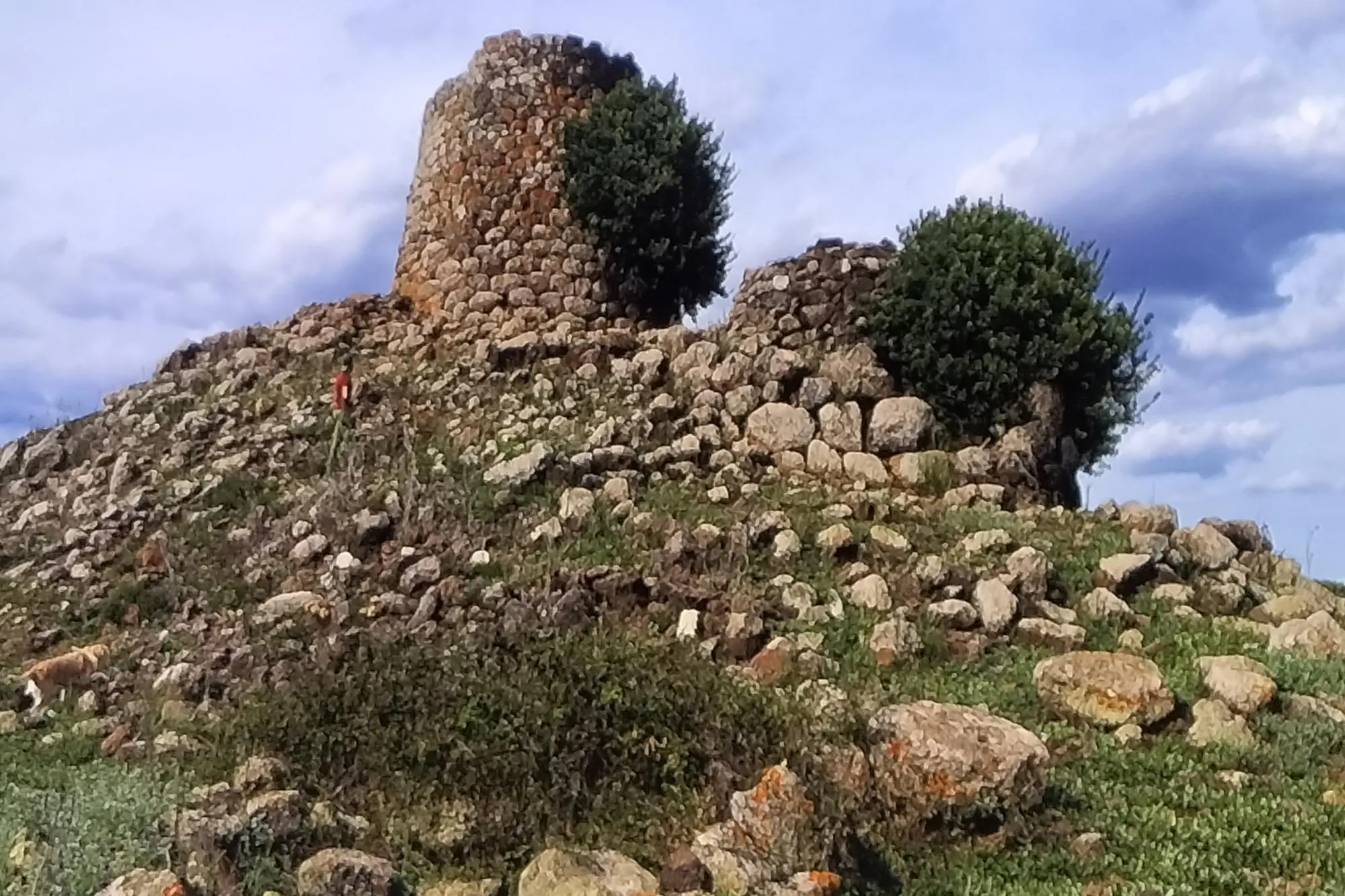
Per restare aggiornato entra nel nostro canale Whatsapp
They identified it in monuments and female figures, giving it names that have survived to the present day. The Nuragic civilization also sought the divine , and in the process that will lead the nuraghe to UNESCO recognition, promoted by the association "Sardegna verso l'UNESCO", the conference hosted by Sotacarbo of Carbonia is a valuable contribution.
Thanks to archaeologist Nicola Dessì, it was a diachronic journey through the early stages of the Nuragic civilization, from 1800 BC to the end of this era around the seventh century BC: "For the Sardinian cults," he analyzed, "it is necessary to rely on the reference monuments of the very early era, namely the giants' tombs, but also those dedicated to the cult of ancestors, in conjunction with the caves used for sacred purposes, such as the famous ones of Fluminimaggiore or Santadi for ritual purposes."
Around 1200 BC, the first sacred wells, fountains, and temples emerged. To make way for the construction of sanctuary villages, some nuraghe began to be decommissioned. The cult reached its peak in the late Middle Ages, when nuraghe were no longer being built. However, we can speculate on the deities: the bronze statuettes depict mythological figures or folk figures, such as female deities with torches. Or perhaps two-headed bulls or warriors with four arms and four eyes. The names, clearly before the advent of Latin? Clues: "A female deity," explains Dessì, "arrived in the form of the myth of Urgia, or Babbio, then Sardus Pater, or the deity Merre."
