Cagliari, racism accusations against "Chez les negres": "We'll change the name."
French tourists are attacking the historic pastry shop, one of the city's iconic landmarks has been targeted by social media. Owner Salvatore Armetta: "It could become 'Chez les noirs'."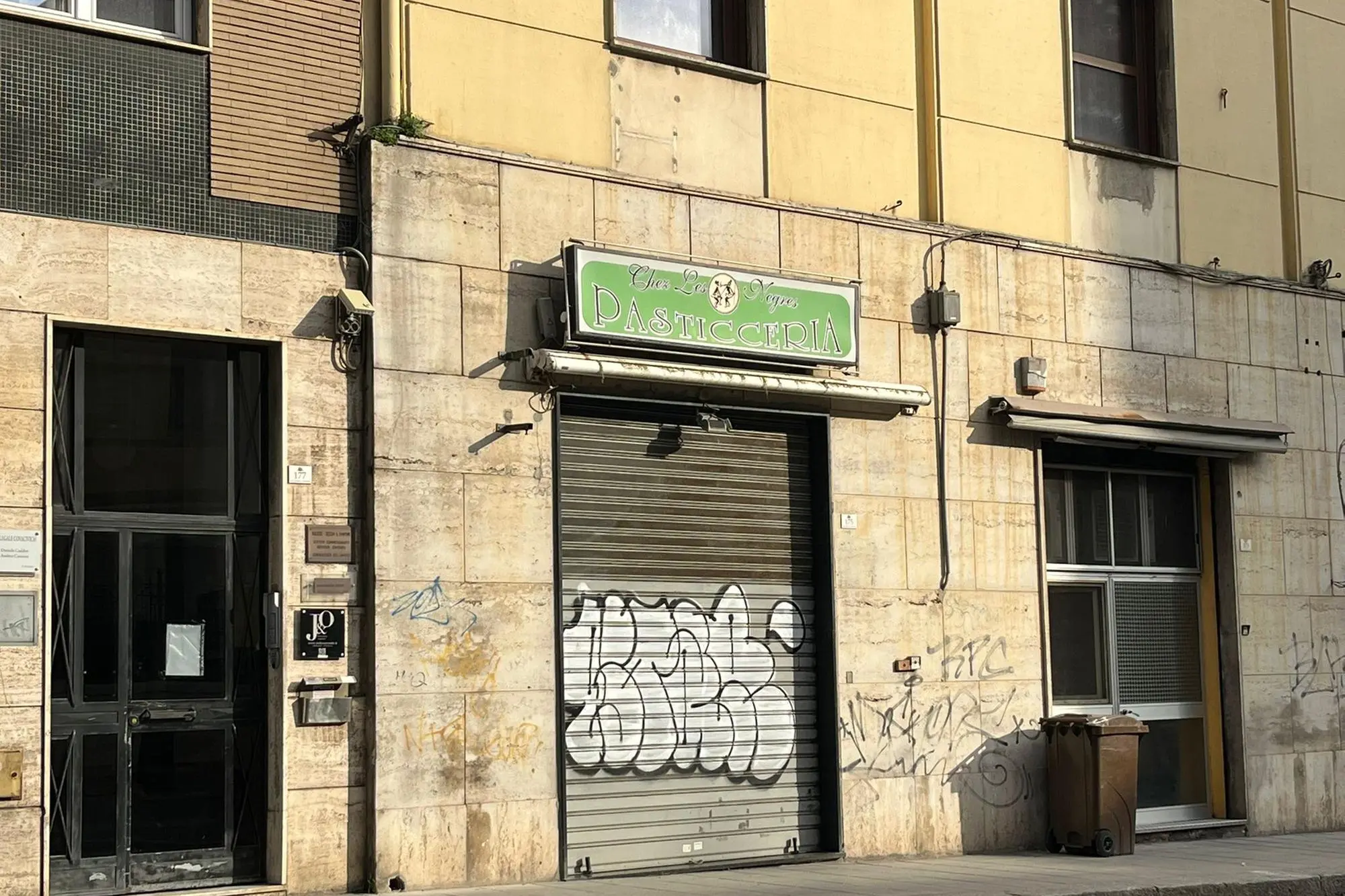
Per restare aggiornato entra nel nostro canale Whatsapp
Established fame isn't enough: in times of political correctness, even the name of a historic pastry shop, known to generations of Cagliari residents, must contend with postmodern sensibilities.
The case
Thus, the name "Chez le negres" has found itself at the center of a controversy raised by some French tourists visiting the capital. They're also protesting at the foot of the Eiffel Tower, where a local association is speaking out about racism. It's because of that "negres": it's no longer acceptable, and the shop on Via Sonnino has found itself in the Facebook meat grinder. "They labeled us racist, we're deeply sorry. There's no discriminatory intent, on the contrary. When my grandparents arrived from Tunisia, they were 'les negres,' that's where the name comes from," explains Salvatore Armetta, who, together with his wife Martina and his aunt Angela, runs the pastry shop that has become a city institution. Meanwhile, he's already removed the perpendicular sign on the roadside, while firmly denying all accusations. But he's even considering a name change to put an end to the unpleasant situation.

Contested sign
The removal of the oval sign with its white background and large green lettering, "Chez les negres," certainly hasn't gone unnoticed. It's been noticed by those who have always patronized the historic pastry shop that has raised generations of Cagliari residents. It's a topic of discussion, even on closing day, in front of the sign on the wall, where the offending phrase has been scaled down and is now barely legible.

"No one forced us to replace it; it was our decision after receiving several complaints from French tourists. They probably felt offended and saw a racist and discriminatory connotation that I assure you is not ours," Armetta reiterates in a kind but firm tone. And to explain his reasons, he goes back more than half a century.

"It was my grandfather Mario Miceli, who arrived from Tunisia with his grandmother Aurelia and his children Giovanni and Caterina, who opened the pastry shop in 1964. He also chose the name." It operated without problems for decades, but times have changed. Even Google has taken issue. "It is strongly recommended to avoid using it," the search engine warns, explaining that it is a literal expression often used in historical or colonial contexts, but considered racist and offensive in contemporary French. Just as it is in Italian. "I understand that such a phrase might seem offensive today," Armetta continues, "but one only needs to know my family's immigration history to understand that there is no negative connotation, much less any discriminatory intent. They didn't belong to my grandfather, and these sentiments are foreign to me, as they are to my entire family."
Name change
The same place that years ago even managed to make its way into the prestigious pages of Gambero Rosso, and today has found itself at the center of attention for issues that are certainly less pleasant than its long-established reputation. "We are carefully evaluating the possibility of changing the name of the business. It could become 'Chez le noirs,' and we hope that at least this way we can avoid any further controversy." A small shadow in a success story. One that smacks of memories, family, and goodness. With grandfather Mario who brought a touch of internationality to the city by revolutionizing the local offerings, expertly blending French and Italian pastries, and adding a touch of Tunisian. The owners hope the media fuss will end quickly, even if it means changing the name. "But no one should tell us we're racist because of a name, because that's not true. Our history speaks for itself."
Sara Marci