

Broken Lives
In Servando Rocha's "The Hate Within" a cruel fresco of late Francoist Spain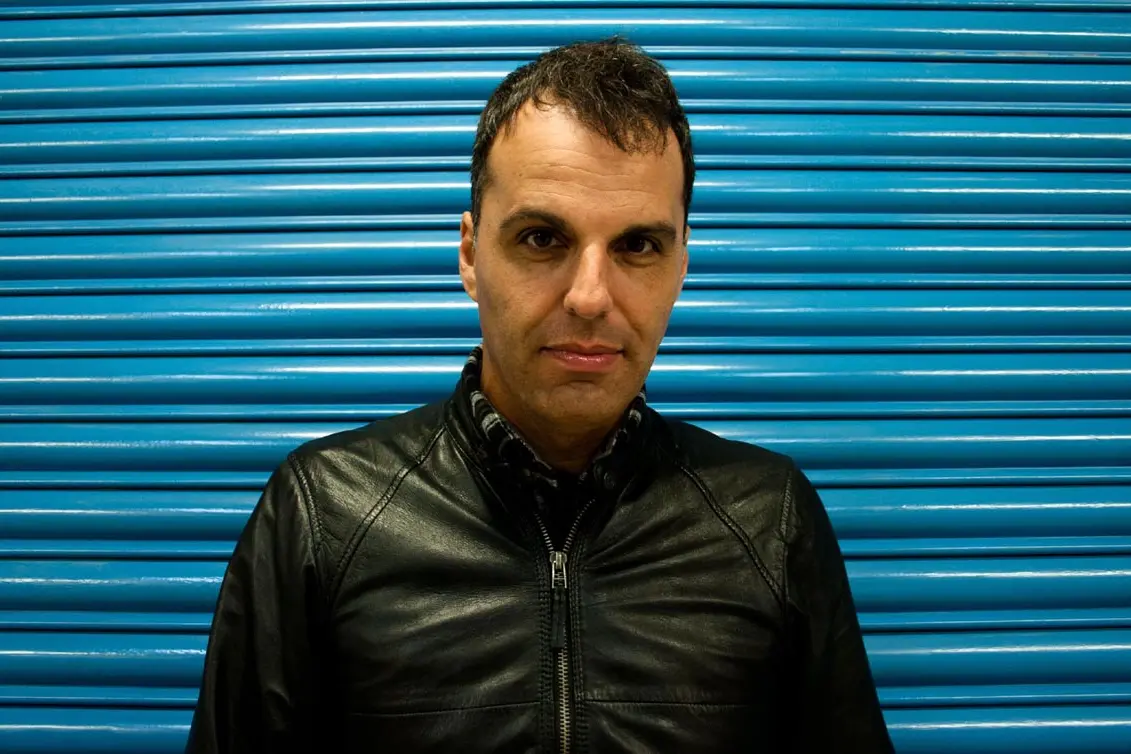
Per restare aggiornato entra nel nostro canale Whatsapp
In the early 1960s, Spain was a country suspended in limbo. Francisco Franco had been in power for nearly thirty years, and international isolation from the dictatorship was increasingly severe. Spain was a poor country, Madrid had a miserable suburb, while in the city center, the Francoist oligarchy concentrated power and wealth in its hands. The release of the film West Side Story in Madrid in 1963 was a cataclysm that drove a generation of kids from the Spanish capital's suburbs, full of anger and wearing stilettos, to take to the streets imitating the gangs in the American film: they danced in the theater aisles, attacked passersby, stole cars, fled from the police, and engaged in pitched battles between criminal gangs. The most feared is the Ojos Negros, whose leader, Ángel Luis, has unparalleled charisma and a piercing gaze. He loves Spanish rock and works as an Indian in bad Westerns filmed in the arid lands of Almería. The Ojos Negros were joined at a very young age by Jose Luis Pacheco, who would become a prisoner, a legionnaire, and, finally, Dum Dum Pacheco, one of the most famous and feared Spanish boxers of his time.
Beginning with his encounter with Pacheco and his life story ("I only had three idols: Hernán Cortés, Franco, and Elvis Presley"), Servando Rocha, in his monumental The Hate Within (Readerforblind, 2026, €23.00, 706 pages. Translated by Alessandro Giannetti), tells a larger story: that of Franco's Spain from the postwar period to the democratic transition. A little-known Spain that Rocha has reconstructed through six years of research and interviews with key figures of the era, creating a work that is at once novel, reportage, and memoir. A complete oeuvre.
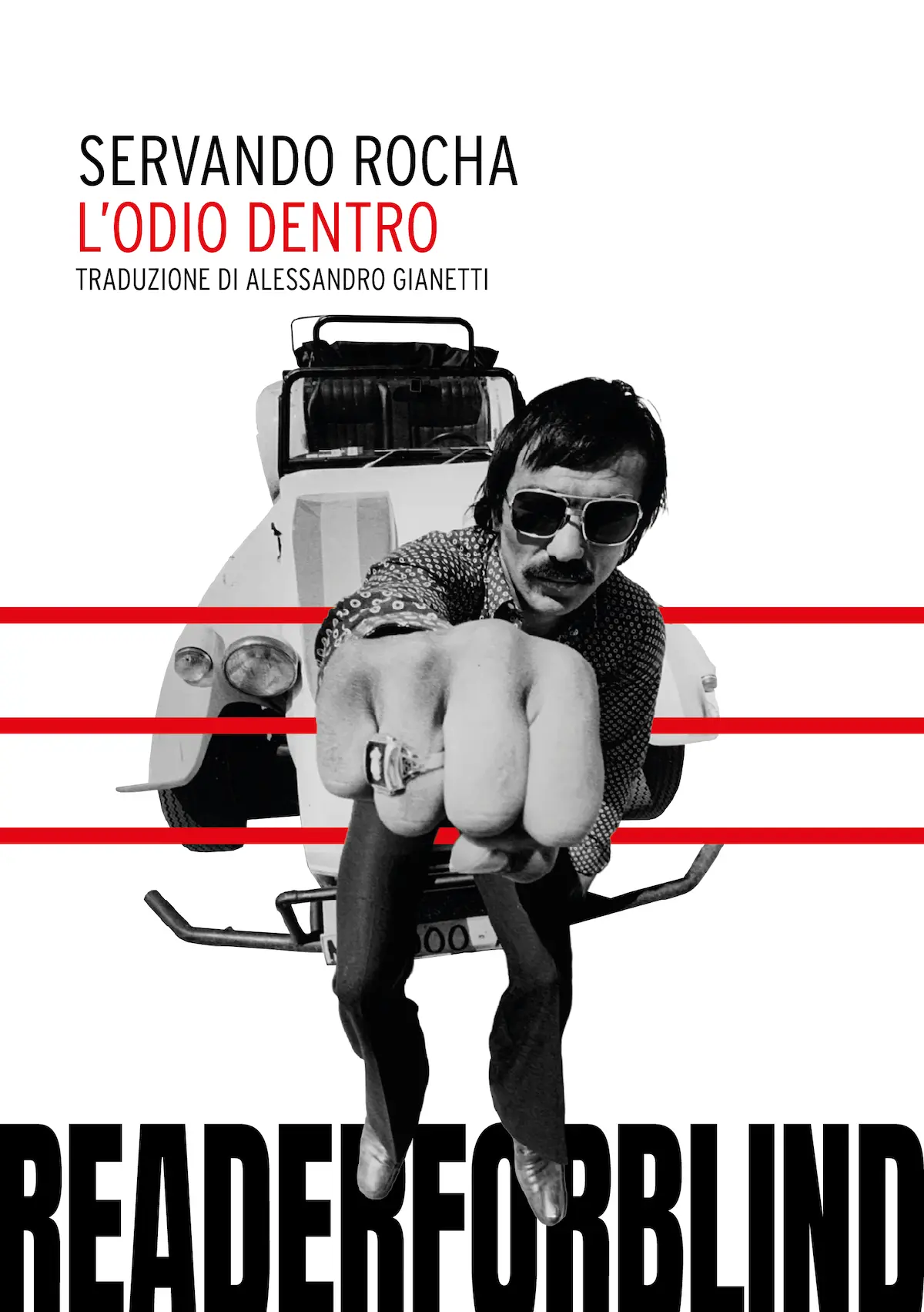
Rocha, in fact, immerses himself completely in the subject matter of his book, so much so as to create a truly open dialogue with his readers.
"I was about to enter an inhospitable and risky place, a muddy, brutal, and unknown Spain. I went there with a flashlight, descending step by step. I was trembling," the author writes in the book, and indeed, one is dragged into the mire of a criminal underworld where the protagonists' lives seem perpetually doomed. Dramatic moments, for those with strong stomachs, alternate with surreal events, moments of crude and cruel humor, in which tragedy mixes with comedy, as sometimes happens in real life.
Rocha proves a master at describing the context in which the book's protagonists operate, a bruised and angry Madrid, roamed by street gangs and police cars. However, it is the characters that give depth to this novel, capable of describing an entire world and an entire era: Famoso Dongil, the Spanish Muhammad Ali, who went to fight wearing a Tupamaros poncho and believed himself invincible, and Pelayo, the first Iberian rocker, who ended up singing to tourists in a piano bar in the Canary Islands. Then there is the elusive Mariano Revilla, number two of the Ojos Negros, with two meters of scars covering his body, and the Falangist poet Dionisio Ridruejo. Around them is a whole borderline humanity made up of pop-loving anti-Francoists, Nazis, and nostalgics who came to Spain seeking salvation and a second chance, perhaps editing left-wing magazines, all the way up to the mercenaries of the French OAS, who opened the temples of Madrid's nightlife. All this surrounded by the marginalization and anger of the suburbs, by the real estate speculation of the Francoist oligarchy and by the detentions in the cells of the left-wing General Directorate of Security in Franco's pay.