


Avatar director James Cameron once again opposes the potential Netflix/Warner Bros. acquisition.
Among the concerns are the protection of jobs due to the risk of theatre closures and the conditions of the entertainment sector.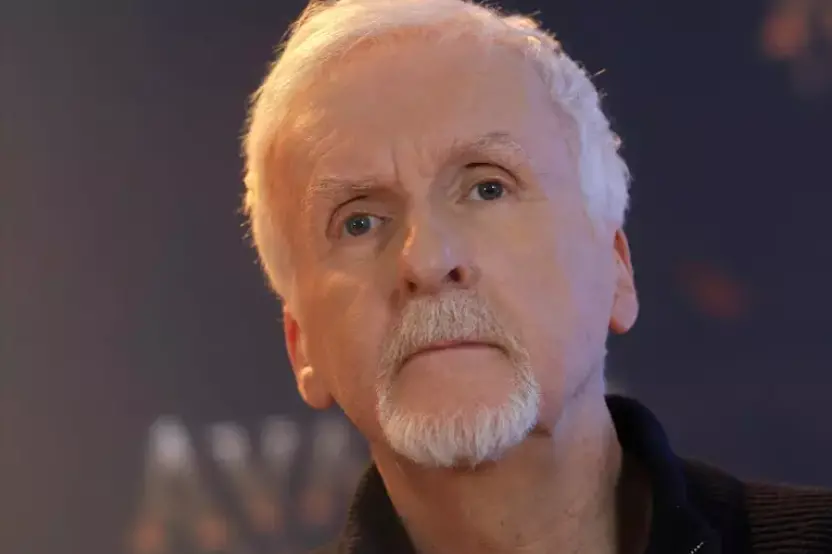
Per restare aggiornato entra nel nostro canale Whatsapp
With his caliber of standing and artistic pedigree, it's no surprise that James Cameron's latest opinions on the state of the film industry have once again sparked debate and prompted broader reflection. Creator of masterpieces such as "Aliens," "Terminator 2," "Titanic," and, of course, the impressive "Avatar" trilogy, the American filmmaker has few rivals when it comes to employing cutting-edge video recording technology or setting box office records. And it's precisely his extensive experience within Hollywood studios that allows him to now expertly intervene in the delicate negotiations taking place between the industry's major studios.
Regarding the acquisition of Warner Bros. Discovery, over which Netflix and Paramount have been battling for several weeks now, it seems that, among the offers put forward—the first valued at $72.8 billion, the second at $108.4 billion—the one put forward by the television giant's executives has once again attracted the most interest. As confirmed to the Paramount board by Samuel DiPiazza Jr., chairman of Warner Bros., and CEO David Zaslav, the Burbank-based company appears determined to proceed with Netflix's offer and reject any other initiative, although Paramount's tenacity—as underscored by Paren Knadjian—may suggest the company still has a few tricks up its sleeve. For now, all that remains is to wait for the next shareholder vote, in which last-minute retractions and any reassurances from rival companies will prove decisive.
In this regard, Cameron has decided to actively participate in the matter with a letter to Mike Lee, U.S. Senator and Chairman of the Senate Antitrust Subcommittee, expressing his concerns about job protection, the risk of theater closures, and, more generally, the state of the entertainment industry, which could drastically escalate into a large-scale crisis. The document reads: "I firmly believe that the proposed sale of Warner Brothers Discovery to Netflix would be disastrous for the film and theater industry, to which I have dedicated my life's work. My films also live on in subsequent video markets, of course, but my first love remains cinema."
At the heart of the problem, according to Cameron, are the profound differences in the economic model between cinema and television, both in distribution and audience retention. The results of a merger like this could impact not only major productions, but the entire production chain: "If the number of big-budget films like the ones I make were to decline, theaters would close. Fewer films would be made. Job losses would multiply." The situation described cannot help but reflect the current political landscape, especially with respect to the leadership role the United States holds in film distribution: "The US may no longer lead the world in car or steel production, but it is still the global benchmark for films. And that could change, for the worse."
Just earlier this year, Cameron announced that he had moved permanently to New Zealand, after spending time with his wife, Suzy Amis, and having a good impression of the New Zealand government, especially its exemplary handling of the Covid-19 pandemic that broke out in 2020. Speaking on a television program, he said: "I made a promise to myself: one day I'll come and live here. When Suzy and I started getting serious, she said, 'Okay, no problem.' She was ready. Then, later on, we had kids, a family, roots in Malibu and Santa Barbara. That conversation had to be revisited a bit, but we said that after Avatar, we would make it happen."
And, referring to the difference in quality of life between the United States and New Zealand, he added: "Where would you rather live? Somewhere that truly believes in science and is sane, and where people can work together cohesively toward a common goal, or somewhere where everyone is constantly at odds with each other, extremely polarized, turning their back on science, and that would essentially end in total chaos if another pandemic were to strike? I'm not there for the scenery, I'm there for the sanity."
