

A partisan
The story of Mirella Alloisio, nickname Rossella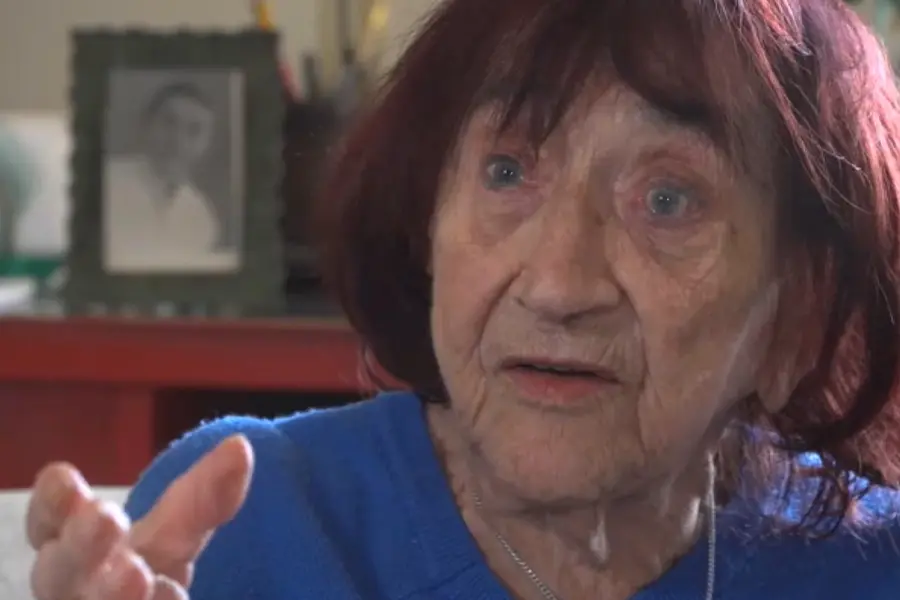
Per restare aggiornato entra nel nostro canale Whatsapp
The Second World War mirrored what had happened with the First: women entered the workforce en masse, filling the positions vacated by men sent to fight. They were employed in factories, schools, public administration, transportation, agriculture, and services. But the turning point came on September 8, 1943, when the army, left to its own devices, was in disarray. At that point, many women took to the streets to protest the war, chanting "we're not leaving," but the end of the conflict was not yet near. It was again women who helped the soldiers who resisted, providing them with hiding places, food, and clothing so they wouldn't be discovered while still in their uniforms.
The Resistance represented a moment of mass rebellion, a kind of awakening of conscience that saw many women from every social class, of every political and religious persuasion, become aware of the need to rebel against Nazism and Fascism and put an end to the most tragic conflict that has ever befallen humanity. More than one hundred thousand women participated in the War of Liberation against the Nazis and Fascists, some as combatants, others as logistics workers, such as couriers. Among the partisans, it is estimated that approximately 5,000 were arrested, tortured, and convicted; 2,750 were deported, and 623 were shot or fell in combat. In addition, a large number of women were imprisoned or killed for supporting the partisans, hiding them, or feeding them.
Mirella Alloisio was one of those female partisans. Born in 1925, she is today one of the last witnesses to that dramatic era, which she has recounted in the book Quand'ero Rossella (Manni, 2026, pp. 112, also available as an e-book), driven by a clear conviction: "The extraordinary history of the Resistance and of the women in the Resistance is a legacy that endures and must guide us."

But who is Mirella Alloisio? One of the many young women born under Fascism. From a working-class socialist family, she has been immersed in anti-fascism in her native Sestri Levante since childhood, and her choice to join the Resistance after July 25, 1943, was almost natural.
Mirella (noms of battle Olga, Marika and then Rossella: she changes whenever there is a risk of being discovered) plays an important role in the Ligurian Liberation Committee, liaising with the peripheral CLNs, with the group of intellectuals and with the secretary of the Military Command.
Mirella's activities were varied, risky, and undertaken with full knowledge of the facts, in the exceptional context of Genoa, the only occupied city where the Nazis signed a surrender with the partisans. As historian Carlo Greppi writes in his introduction to the book: "Although very young, Mirella learned the rules of clandestinity and distinguished herself in dangerous intelligence operations; she learned that freedom was achieved at a high price: by watching her comrades fall. And she knew full well, having arrived at the Liberation at nineteen, that the struggle had only just begun—because the democracy of the early days was, and would remain, fragile; and because the fundamental rights won by women in that climate, which also matured amid the steel of construction sites and the whistles of sirens, culminating in the 'twenty months' of resistance, were anything but achieved."
Quand'ero Rossella is therefore a book of memories and anecdotes, but also driven by a profound political awareness, born of a profound understanding of the specific and decisive role of women in the struggle for liberation. A firsthand and invaluable testimony from a great partisan—enriched with in-depth articles on the key moments of fascism, the war, and the Resistance—and also designed for a young audience, so that they can continue to cultivate the ideals that fueled the war against Nazism and Fascism.
