

Warner Bros., Paramount Prepares Counteroffensive on Netflix
An acquisition that generated a prompt response from the actors' and screenwriters' unions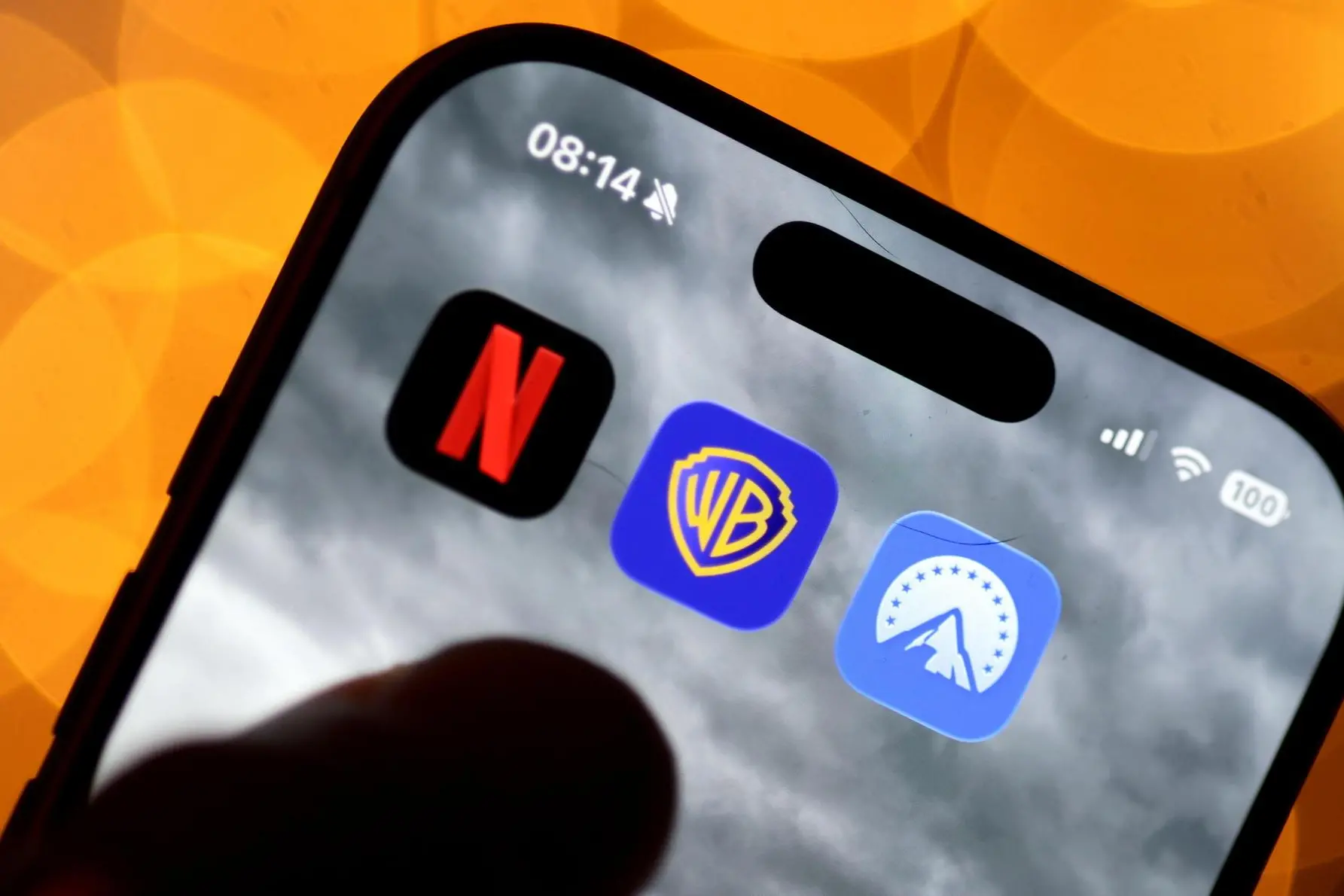
The Netflix, Warner Bros and Paramount apps (Ansa - EPA/HANNIBAL HANSCHKE)
Per restare aggiornato entra nel nostro canale Whatsapp
The latest film conversation has been dominated by the news of Netflix's acquisition of Warner Bros. Discovery. Officially announced earlier this month, the deal, coordinated by Ted Sarandos and Greg Peters, co-CEOs of the streaming platform, for a whopping $82.7 billion, aims to absorb the historic Californian major and expand its operations in the industry. This has unleashed inevitable repercussions throughout the entertainment world, with many fearing irreparable consequences and an inevitable decline in the industry.
In an attempt to address the situation, Netflix assured that it would maintain Warner Bros.' operations unchanged, "including theatrical releases," for now. This, however, would not allay concerns, given Sarandos' stated intention to prioritize streaming releases over theatrical releases, which are now considered obsolete. In a statement to directors and creatives, Netflix stated: "By combining Netflix's member experience and global reach with Warner Bros.' renowned franchises and extensive catalog, the company will create greater value for talent, offering more opportunities to work with beloved intellectual properties, tell new stories, and connect with a wider audience than ever before."
Following the deal, David Zaslav, CEO of Warner Bros. Discovery, said: "Today's announcement brings together two of the world's greatest storytelling companies to bring even more people the entertainment they love to watch. For over a century, Warner Bros. has thrilled audiences, captured global attention, and shaped our culture. By joining forces with Netflix, we will ensure that people around the world continue to enjoy the world's most inspiring stories for generations to come."
Predictably, the acquisition prompted a swift response from the actors' and writers' unions, with their respective spokespeople publicly voicing their concerns. According to SAG-AFTRA, the risks include serious repercussions "for the future of the entertainment industry and, in particular, for human creative talent," as well as the risk of a decline in production and a lack of protection for creative resources.
The WGA's stance is even more harsh, claiming we will inevitably see job cuts, lower wages, and a general deterioration in working conditions. Regarding the deal's purpose, which is seen as solely for the benefit of investors, it stated: "Antitrust laws were designed to prevent the world's largest streaming company from absorbing one of its main competitors. Industry workers, as well as the public, are already impacted by the fact that only a few powerful companies maintain tight control over what consumers can watch on television, streaming, and in theaters. This merger must be blocked."
Paramount has also entered the negotiations, having reorganized itself after Netflix snatched the deal from it to attempt a counterattack. According to information from the New York Post, billionaires David and Larry Ellison, who head the production company, reportedly took the signing of the agreement between Netflix and Warner Bros., which came just twenty-four hours after their offer, very negatively. With the counterattack established, Paramount now intends to win the battle by taking the matter directly to WBD shareholders.
Furthermore, according to the latest developments, the Los Angeles studio has advanced an acquisition offer that would exceed its competitor's by a full eighteen billion. In support of this, David Ellison has guaranteed annual coverage of thirty theatrical films, promptly addressing concerns from artists and unions about the distribution of works on the big screen. The CEO clarified: "Paramount is committed to increasing the film and television production of both companies, with a schedule of more than thirty theatrical releases per year. We will meet the needs of cinema audiences."
As if that weren't enough, the Netflix-Warner deal has also created a fair amount of headaches for the White House, prompting President Donald Trump to personally intervene in the final approval decisions. During the Kennedy Center Honors, held last Sunday in Washington, DC, he stated: "It's a very large market share, and when [Netflix executives] get Warner Bros., that share will grow a lot. So I don't know. Some economists will say so. [Ted Sarandos] has done one of the greatest jobs in the history of cinema and beyond. He's got a lot of interesting things going on beyond what you're talking about, but it's a huge market share. There's no question about it. That could be a problem."
For now, before formalizing the deal, all that remains is for Warner Bros. to separate its Streaming & Studios and Global Networks divisions into two separate publicly traded companies. A major regulatory review will also be required, with the final say remaining with the U.S. Department of Justice. In short, the game appears to be far from over.
