

The EU's energy crisis plan: a mandatory day of smart working and discounts on public transport.
The Accelerate bill also includes heating cuts, but no taxes on extra profits. Salvini lashes out: "They're not normal."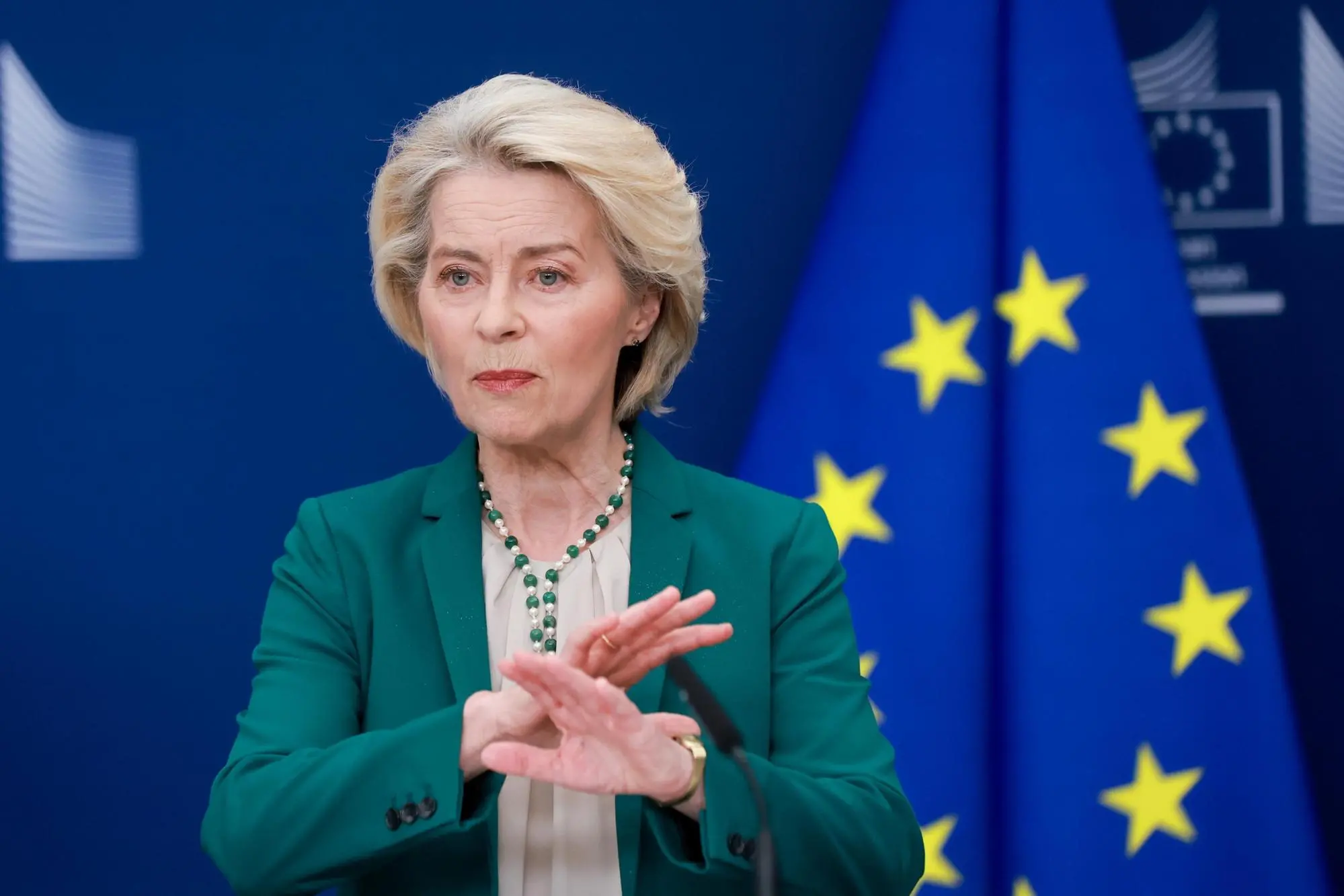
Per restare aggiornato entra nel nostro canale Whatsapp
A busy pipeline of proposals that, to take shape, will need to be informed by the decisions of national governments. A year ago, Brussels urged citizens to prepare for the worst with a 72-hour survival kit. Today, with the war in the Middle East impacting energy markets, that reflex translates into a new energy shield that updates practices already tested during the Covid era. A day of mandatory teleworking, cheaper public transportation, and a widespread tightening of consumption, from heating to travel : Ursula von der Leyen's government is preparing to unveil its mix of targeted incentives and daily—non-binding—regulations on April 22, which has already become a point of contention.
After dismissing the EU proposal to loosen state aid rules as "just a stopgap"—a measure that appeals especially to Berlin— Matteo Salvini has once again pointed the finger at European bureaucrats. If the solutions "to overcome high bills are to turn off the heating, work less, travel less, and wash less, tell me if these are normal in Brussels..." he attacked the Deputy Prime Minister, reiterating the call—also supported by Confindustria (the Italian employers' federation)—to suspend the Stability Pact. In its "Accelerate EU" plan, the Berlaymont Palace is not only drafting new rules—starting with the expansion of public subsidies for transport and agriculture—but is also attempting to shape a true behavioral economy with a series of recommendations. The most immediate signal is also the most symbolic: at least one day of mandatory teleworking per week, echoing the pandemic rationale for cutting travel and consumption. At the same time, Brussels is accelerating public transport, calling on the Twenty-seven to reduce bus and metro fares, including free fares for the most vulnerable, while cities should transform into veritable testing grounds, with limited traffic zones (ZTLs), car-free days, and a push for electric mobility.
The plan then becomes part of everyday life: less heating, less waste, and consumption shifted away from peak hours . Administrations are called upon to lead by example, with dimmed offices and closed buildings when possible, while businesses are asked to accelerate efficiency improvements. The draft even extends to domestic boilers, with the recommendation to keep temperatures below 50 degrees Celsius. On the social front, Brussels is attempting to combine austerity and protection with targeted vouchers and, if necessary, regulated prices. Meanwhile, it is focusing on the long term with subsidized leasing for green technologies and incentives to replace old appliances. The aviation sector is particularly sensitive.
The von der Leyen government is calling for flight reductions whenever possible , focusing on less energy-intensive alternatives. But, touching on the issue of freedom of movement, it also attempts to reassure: "There are no indications of a systematic fuel shortage that would cause large-scale cancellations," the Berlaymont Palace, engaged in constant monitoring with the International Energy Agency, emphasized, specifying that any disruptions remain the "exclusive responsibility" of the airports. The risk of a further deterioration in the situation, however, remains real. The IEA itself, through its director Fatih Birol, highlights this: in the event of prolonged disruptions to supplies through the Strait of Hormuz, the continent could find itself with reserves of jet fuel sufficient for just "six weeks." So much so that Brussels, Commissioner Dan Jorgensen has indicated, is considering sharing jet fuel stocks among the Twenty-seven.
(Unioneonline)