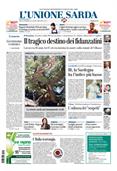


That last time in Porto Cervo. And then, Lady Diana became a legend.
On August 31, 1997, the People's Princess died in Paris. A few hours earlier, she had taken off from Olbia with Dodi Al Fayed.Lady Diana (Ansa)
Per restare aggiornato entra nel nostro canale Whatsapp
A smile for the photographers. A plane to Paris. And a few hours later, tragedy strikes. It's August 30, 1997, and at Olbia airport, Lady Diana is about to leave Sardinia with Dodi Al Fayed. Destination France. After those days between Porto Cervo and Tavolara, she doesn't know that these are her last hours. She doesn't know that on that same evening 29 years ago, just after midnight, the Mercedes in which she was traveling with Dodi and driver Henri Paul entered the tunnel under the Pont de l'Alma and crashed. The two men were killed instantly, Diana was pulled from the wreckage and taken to the Pitié-Salpêtrière hospital. In the early hours of August 31, the news that would shock the world: the Princess of Wales is dead. Conspiracy or tragedy?
On worldwide television
She's 36 years old. Flowers begin to pile up in front of Kensington Palace, the streets of London fill with people, a collective grief that overwhelms a monarchy accustomed to distance. Six days later, the coffin crosses London headed for Westminster Abbey. Behind the coffin walk William, 15, and Harry, just 12. Two boys forced to live out what should have been their most private grief before the eyes of the planet. Because even in death, the woman who for years had tried to shield her life from the pressure of photographers had never managed to escape their gaze. And even that August night, in the Alma tunnel, around her there is once again a screen of bright lenses.
The fairy tale
A psychosis that had given her no respite since, not yet twenty years old, she joined the British royal family. Diana Spencer was born on July 1, 1961, in Norfolk, into one of the most important aristocratic families in the United Kingdom. Just nineteen years later, during a pheasant hunt at the family estate in Althorp, she attracted the attention of the most coveted scion, the heir to the throne of England. Charles was 32 at the time. On July 29, 1981, the fairytale wedding took place in St. Paul's Cathedral: millions of people watching television, an iconic dress, the young Diana embodying the image of the future queen.
«There were three of us»
But the marriage turned out to be a nightmare, and the relationship gradually frayed. Charles, still attached to the great love of his life, Camilla Parker Bowles, was unable to break the bond. "There were three of us in this marriage, a bit too crowded," Diana later said, finding herself dealing not only with a distant husband, but also with a royal family governed by a strict regime that was increasingly too restrictive for her. The tensions between Charles and Diana became the stuff of newspapers and television, and not even the divorce imposed by Elizabeth II, which became official on August 28, 1996, put an end to the nightmare.
The change of roles
The paparazzi remained a constant presence. They followed her out of restaurants, in front of her children's schools, during holidays. Every outfit, every expression, every friendship could become a story. Until Diana learned to play with that same attention. The press wanted to photograph her? She would decide where to point the lens. It was during those years that she became the people's princess: a woman capable of entering hospitals, hugging children, shaking hands with the sick, sitting beside the marginalized. She took a stand in the fight against the stigma associated with AIDS, supported humanitarian organizations, and brought international attention to the campaign against landmines.
In Sardinia
And that summer in Sardinia, with Dodi's love, just when she seems to have found peace, everything is about to end. Charles will become king, their sons William and Harry will grow up without her and end up on opposing sides. A story of estrangements, failed reconciliations, constant revelations: the final chapter will be the voice of her brother Charles Spencer, who on September 22nd will release his memoir "Swan Song: Diana, My Sister."
Forever
More scandals, likely yet another, will fail to tarnish the image of someone who transformed the British monarchy, making it more fragile, more accessible, more human. And this, even twenty-nine years after his death, the world will never forget.