

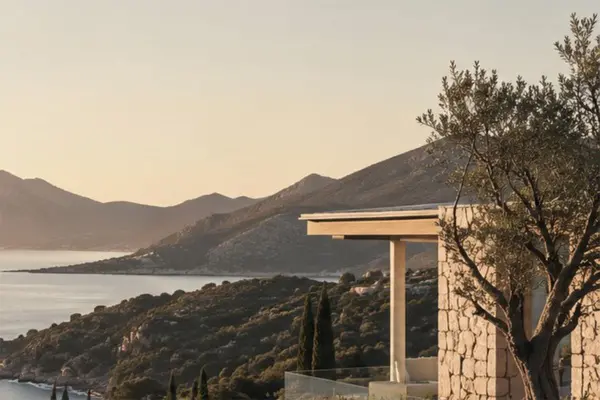
Second homes, the Sardinian paradox: the island of tourist records and closed shutters.
Per restare aggiornato entra nel nostro canale Whatsapp
Sardinia boasts a silent legacy that doesn't appear in any tourism statistics: brothels. According to the ISTAT census, more than one in three homes on the islands is unoccupied—one of the highest percentages in Italy. These are homes inherited from parents, seaside apartments purchased in good years, or the family homes of the many Sardinians who live and work abroad. They open in August, when things are good. The rest of the year, the shutters remain closed.
The invisible cost of closed shutters
The idea that an empty house "costs nothing" is hard to die for, but owners know it well: between property tax on second homes, basic utilities, condominium fees, and maintenance, the meter runs even with the shutters closed. And there's a cost that never comes with a bill: an uninhabited house ages faster. Dampness, jammed windows, and systems that deteriorate without anyone noticing. The paradox lies here: just as Sardinia is enjoying record-breaking tourist seasons, thousands of properties that could be working are sitting idle. And a property that's idle isn't a piggy bank: it's a cost that slowly erodes its value.
Why so many owners give up
Anyone who's tried renting out on their own knows the list: National Identification Number, check-in and check-out, tourist tax, flat-rate tax, guest communications, reviews, unexpected events with every stay. A second job, not passive income. It's the reason many give it a try for a summer and then give up: it's not the demand that's lacking—it's the time.
A profession that is becoming professionalized
In the rest of Italy, the answer already has a name: property management. According to data from AIGAB, the Italian Association of Short-Term Rental Managers, there are currently approximately 452,000 homes in the short-term rental market, and approximately one in four is entrusted to professional managers—operators who handle everything from paperwork to maintenance, transforming the owner's "second job" into a monthly statement. This sector generates approximately 150,000 jobs and is growing year after year, while the DIY sector declines.
The NORA case: care before performance
Even in Cagliari, this approach has a new voice. It's called NORA Property Care, founded by Marcello Carta after twelve years at Amazon, working in operations and marketplace sales. Its positioning goes against the grain in a sector that often promises easy money: "Profit is the consequence of care. Not the other way around." The method comes from the founder's background: an inspection and income forecast based on location and seasonality—"only the truth about the home, no false expectations"—then home staging, professional photography, rates updated daily, and a private area where the owner can view bookings, receipts, and maintenance in real time. Behind it all is the technology and standards of Italianway, one of Italy's leading property management networks, of which NORA is an official partner. The philosophy is in the payoff: care that creates value. Homes, as they say at NORA, aren't "income-generated" by squeezing them: they're cared for, protected with every stay, documented with photographic reports—and income comes as a consequence. With a detail that doesn't escape the owners' attention: NORA earns a percentage only when the house generates income. If the house doesn't generate income, no one earns. The interest rates are the same.
From cost to assets
For Sardinian homeowners, the question is ultimately simple: how much is the closed house costing, and how much could it earn if someone took care of it? The first step to finding out is free: NORA offers a free inspection with a fair income forecast, even when the answer is "it's not worth it."
Information on norapropertycare.it or on WhatsApp at 371 6689550 .
