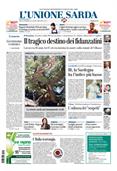


Money isn't enough, 782 regional employees are being cheated: no raise.
Budget exhausted: the paychecks of councilors' staff are under scrutiny. Usai (FdI): "10 million needed, progression denied to those eligible: unprecedented in history."Per restare aggiornato entra nel nostro canale Whatsapp
They're entitled to additional paychecks, based on their career progression. But that money isn't available to them in the regional coffers. And if the funds aren't found, 782 employees will be left high and dry: a situation that, it seems, is unprecedented in the history of regional autonomy.
How did it happen? The personnel budget has been eroded. Some point to the "deductions" needed to cover the salaries of the Regional Council's group employees (which is also a separate entity). But in the corridors of the government buildings, a different theory prevails: the paychecks of the presidential councilors' staffs are too large (too many), now structured according to the so-called "seat-filling law" passed by Christian Solinas. Such a significant number of positions required such a financial effort that it exhausted the available budget. The causes are unclear. Even the unions, at least publicly, are not attacking the situation, attempting to reach a compromise with politicians.
But the problem is there.
"We need €10 million immediately, included in the next budget adjustment for a sector already in collapse. The president doesn't even seem to notice this." This is a forceful request from FdI regional councilor Cristina Usai , who endorses the requests presented yesterday in the first committee and confirmed by all the unions. "The professional progression of regional staff is blocked," as denounced in a previously filed question, "due to a government incapable of providing serious answers to hundreds of workers. The numbers revealed in the documents speak clearly: out of 1,867 eligible employees, 1,085 have actually transferred. In other words, 782 people remain excluded because the Region has failed to guarantee adequate coverage, and the interim councilor's management has once again proven to be a failure."
According to Usai, this isn't an administrative oversight, "but a de facto choice: it's the first time in the history of the Sardinia region that a significant number of workers have been 'forgotten,' and the Region continues to talk nonsense like 'staff development,' 'merit,' and 'efficiency,' and then, in practice, humiliates those who ensure the smooth running of the administrative machinery every day. This isn't about granting favors to anyone: it's about recognizing the rights, developed professional paths, and legitimate expectations of hundreds of employees."