

Hantavirus Alert: "It's a serious infectious disease, but it's not COVID."
Aldo Manzin, Director of Microbiology at the University of Cagliari, said: "There is no cure. Isolation and social distancing are needed."Per restare aggiornato entra nel nostro canale Whatsapp
Concern surrounding the Hantavirus outbreak aboard the cruise ship MV Hondius is making headlines around the world. Some fear a second Covid outbreak. "Protection is a must, but at the moment there's no indication of a risk of pandemic spread," assures Aldo Manzin , full professor of Microbiology at the University of Cagliari and director of Microbiology and Virology at the University Hospital.
The expert explains that "Hantaviruses describe a family of viruses that includes more than 20 different species , almost all linked to rodent infection , through secretions (saliva), urine, and dried feces that are inhaled through the generation of aerosols dispersed in the surrounding air. However, there is a strain, known as Andes virus , which can spread through human-to-human transmission, although this occurs very rarely." This is thought to be responsible for the outbreak on the Dutch cruise ship.
"The presence of the Andes virus has been confirmed on board the MV Hondius, so it is essential that passengers and crew observe all the necessary measures in these cases, especially the isolation of infected patients and social distancing of all others, the same strategy adopted during the Covid pandemic," Manzin explains. "Isolating infected patients, frequent handwashing, tracing and monitoring close contacts, and implementing infection control measures will be crucial to stopping the spread of the disease."
There are currently no cures : "In the absence of specific therapies, vaccines, or other possible pharmacological interventions, non-pharmacological containment measures are the only possible and effective ones," Manzin recalls.
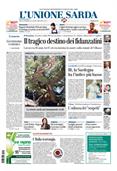
The full article is available in L'Unione Sarda on newsstands and on the Unione Digital app.