

80% of the island's towns are without essential services
Picchedda, mayor of Turri: "We need policies for small towns with fewer than 1,000 inhabitants."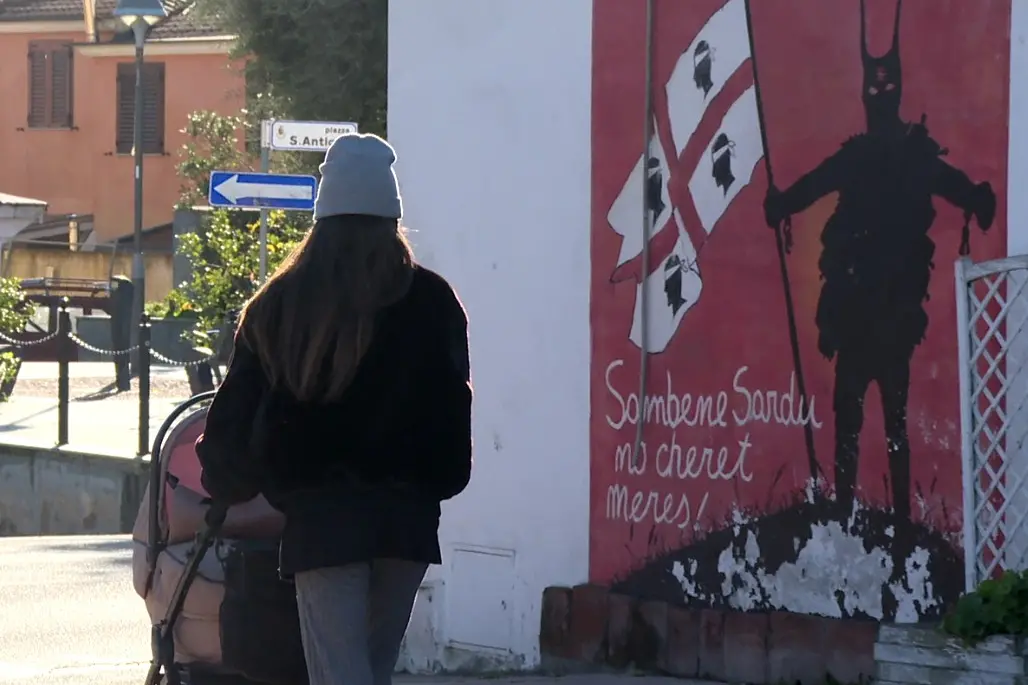
Per restare aggiornato entra nel nostro canale Whatsapp
"The thing that saddens us most is not being able to buy fresh bread every day," says Cheremule Mayor Salvatore Masia. "We used to have a bakery, but now we don't. There was also a butcher, who retired. And the only grocery store closed a few years ago. Now we've put out an expression of interest: free premises and a temporary exemption from municipal taxes for anyone who opens a store selling basic necessities. There have been five proposals, and we hope to have them completed by 2027. It would be important for our seniors to be able to shop close to home and not have to be driven to the market on the main road every time."
The resistance
Where life—in a town of 378 inhabitants—is a daily struggle. But don't call it a "ghost town." "We have a doctor, a pharmacy, and a bar-pizzeria," continues the mayor. In short, they consider themselves lucky even if the doctor only sees them once a week, the pharmacy is a "medicine cabinet"—"which, however, works very well"—the post office is open "almost every morning," and the kids go to school and play sports in the "large" nearby town, Thiesi, population 3,000.
It is the strong territorial inequality between the island's municipalities: eight out of ten struggle to guarantee fundamental citizenship rights to their residents because they lack one or more essential services, such as healthcare, postal services, financial services, public transport, schools, commerce, and mobile signal.
THE FULL ARTICLE IN THE NEWSPAPER ON NEWSSTANDS AND ON THE UNIONE DIGITAL APP