

Sant'Efisio, December 12, 1954: the procession against polio
When the people of Cagliari turned to the Saint to implore the end of the epidemicPer restare aggiornato entra nel nostro canale Whatsapp
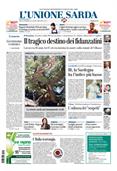
"The statue of Saint Efisio through the city streets." This is the headline in L'Unione Sarda on December 11, 1954. The article reads: "The procession will depart tomorrow morning at 9:00 a.m. from the church of Sant'Anna to the Cathedral, where the statue will remain on display for a week for the veneration of the faithful." It is an exceptional event. The people of Cagliari, this time, are turning to the Saint of Elijah "to implore an end to the polio epidemic." A little-known event in the long history of Efisio, it resurfaces in the chronicles of the newspaper founded in 1889, a painful moment for the community that invokes the protection, as on other occasions, of its tutelary deity.
The city asks for help
"Tomorrow morning," we read on page 4 of L'Unione, "Saint Efisio will walk through the streets of Cagliari to pray for the end of a calamity. And the crowd of faithful will follow the statue, imploring and trusting: a crowd of fathers and mothers, above all, who are spending days of great anxiety for their little ones threatened by an inexorable evil." It is clarified that "the initiative, promoted by the Archconfraternity of the Saint, immediately received the approval of the ecclesiastical authorities. From Thursday to Saturday, a solemn triduum of prayers will be celebrated in the Cathedral."
The recommendations
L'Unione Sarda, alongside the article on Efis Gloriosu's "extraordinary" outburst, reports recommendations for mothers to protect their little ones: "Do not take your children to the cinema or other crowded places." These are days of great concern. The newspaper's columns also feature prevention recommendations: "Passive immunity obtained with gamma globulin is relative and of limited duration (four or five weeks). Similar results can be achieved with injections of placental extracts and injections of maternal blood." A heartfelt plea: "If your children experience any symptoms, call your doctor."
The vaccine
Before the discovery of a vaccine, polio caused serious damage. The first antidote was discovered by Jonas Salk on April 12, 1955. Two years later, Albert Sabin developed the oral attenuated virus vaccine, approved in 1962. In 1954, facing the threat, Cagliari immediately turned to Efisio. A pilgrimage outside the canonical dates: May 1st, January 15th (Dies Natalis), and Easter Monday. The Saint's story is a long journey of faith and hope. A special relationship that reflects the city's changing fortunes. Joys and tragedies. To counter the pain, which presented itself in the mid-1950s in the threatening face of a disease affecting children, the martyr assured, as always, his providential support.