

"Paths of Time" and the Roman Era in Sardinia, Friday at the Mem in Cagliari
The morning appointment with Simonetta Angiolillo, professor of history and archaeology at the university of the capital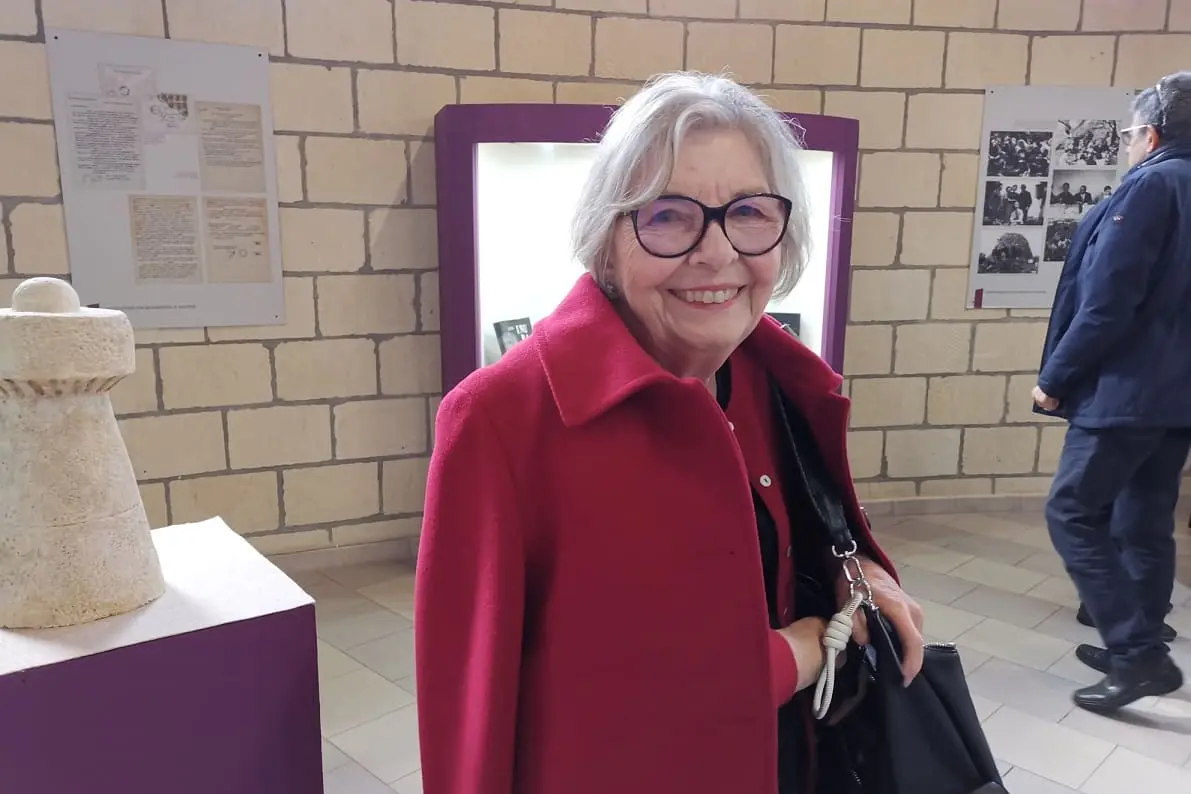
Per restare aggiornato entra nel nostro canale Whatsapp
Telling the story of the island's most ancient history through the words of experts, so that even the youngest members of the public can understand it: the penultimate conference series " Paths of Time. Archaeology for Everyone " has arrived. After meetings dedicated to previous historical periods, it now focuses on Roman Sardinia, with Professor Simonetta Angiolillo as guest. The next in-depth discussion will take place at 10 a.m. on Friday the 23rd , in the conference room of the Mem in Cagliari .
Conceived and promoted by the Kalaritano Archaeological Group and with the contribution of the Presidency of the Regional Council , "Paths of Time" began on October 22nd with a talk by Giuseppa Tanda on the island's prehistory, and from there, it continued through a series of discussions on the Eneolithic, Bronze Age, Nuragic civilization, and Phoenician and Carthaginian influences. The focus of Friday's meeting will be the era of Roman rule , with Professor Angiolillo analyzing how the province of Sardinia engaged with traditions and models imported from Rome, and discussing their further evolution in the following centuries. The talk will then be published on the Gak YouTube channel .
Angiolillo, a full professor of Archaeology and Greco-Roman Art History at the University of Cagliari, previously directed the School of Specialization in Archaeology and coordinated the Archaeological Doctorate program in the city. She is also the author of several publications and has supervised numerous excavations between Cagliari, Settimo San Pietro, and Porto Torres, as well as Iasos in Turkey.
"Paths of Time" will conclude on February 20th with a conference by Marco Muresu on Sardinia in the late ancient and Byzantine era, in a final free-entry meeting, like the one this Friday and the previous ones.