"Black Dots, Blank Paper, and My Soul": Valentina Lisitsa in Cagliari with Chopin
The Ukrainian pianist: "Cancelled concerts? Politics shouldn't be on stage."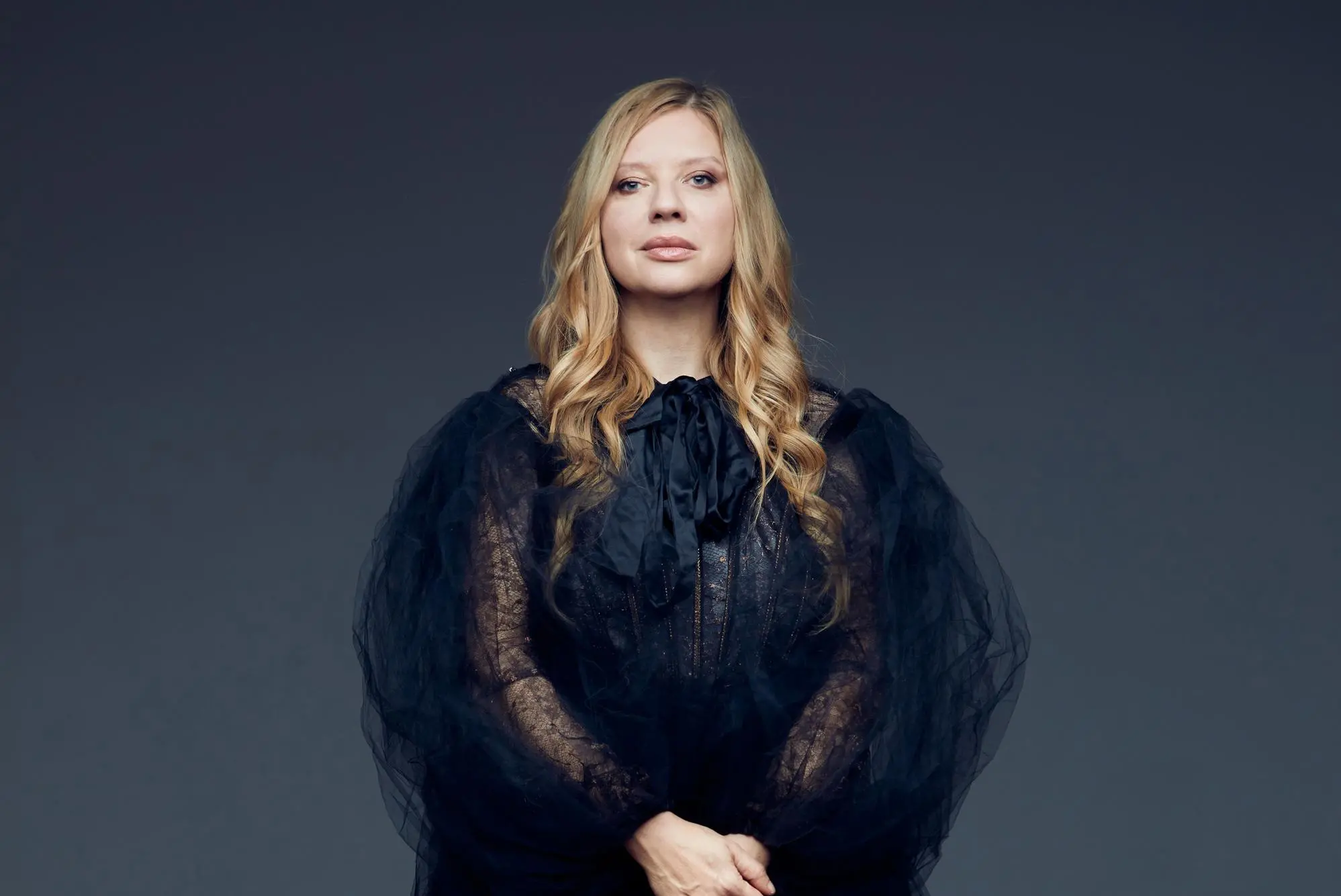
Per restare aggiornato entra nel nostro canale Whatsapp
With "Musical Itineraries of Identity," a classical music festival now in its 11th edition organized by the cultural association "La Casa Rosa," Ukrainian pianist Valentina Lisitsa, a classical music star with over a million monthly listeners on Spotify and 320 million views on YouTube, is coming to Sardinia for the first time. "I'm particularly excited," she says, "to show them that, as beautiful as recorded music can be, performing it live is an incomparable experience. I also hope to see many young enthusiasts and aspiring pianists: bringing them to concert halls is my greatest source of pride."
In Cagliari he'll play Chopin, in Iglesias Liszt. What do you look for in their music today?
Even Rachmaninov complained about having to endlessly play his "infamous" Prelude, instead of tackling new and more stimulating pieces. But in music, classics are classics for the same reason they are classics in fashion: they never go out of style. They're like good books, which can be reread, discovering something new each time. Music is the most abstract of the arts, black dots on white paper, yet the performer can add so much of their own soul! And here lies another danger: individuality and the desire to create something unique can cross the thin line of good taste. This is the case with the proverbial pineapple pizza.
YouTube has allowed you to have a direct connection with your listeners. What does classical music gain in the digital world?
The digital revolution has changed the world. In the narrow field of classical music, it has given it a second life, multiplying its audience and expanding its geographical boundaries. I just performed Rachmaninoff with the Tegucigalpa Youth Orchestra in Honduras: I'm amazed by how many knowledgeable enthusiasts there are, and how many young people love classical music and study it. As for careers, digital and social media are bridging the gap between performer and audience, but we shouldn't forget that success is the fruit of study, the tireless work of teachers, and the sacrifices of one's family. The magic of digital makes it seem like luck and promises instant gratification. This is a mistake that often deceives young people and ends up breaking their hearts.
You've had concerts canceled because you're pro-Russian. Where is the line between freedom of expression and public responsibility?
The freedom to express one's beliefs is one of the reasons so many people left for America, from seventeenth- and eighteenth-century England to the twentieth-century USSR. Of course, the United States hasn't been a paragon of virtue either; just remember the extraordinary Russian-American pianist Ray Lev, who paid with her career and life for her anti-war and human rights stance. That said, politics must not be allowed to take the stage, not even the "positive message" approved by the majority. Let's not allow a concert to turn into a political spectacle. In 2022, the organizer of a German festival asked me to "distance myself" in writing from certain events. I wrote: “Perhaps you will find my ideas of inclusivity and tolerance overly simplistic and antiquated: everyone who comes to the concerts should leave their opinions, prejudices, and phobias at home; music, whether Beethoven or Tchaikovsky, is our common heritage, one of the few things left that truly unites us as human beings, and we should make sure it stays that way.”
The event will take place today at the Auditorium of the Cagliari Conservatory and on the 16th at the Teatro Electra in Iglesias, both at 6:00 PM. The meeting with students and the public will take place tomorrow at 10:30 AM at the Cagliari Conservatory.