


Nuragics and Phoenicians in the Oristano area, two civilizations that met without erasing each other
Yesterday a meeting on the topic with experts Antonello Sanna and Carla Del Vais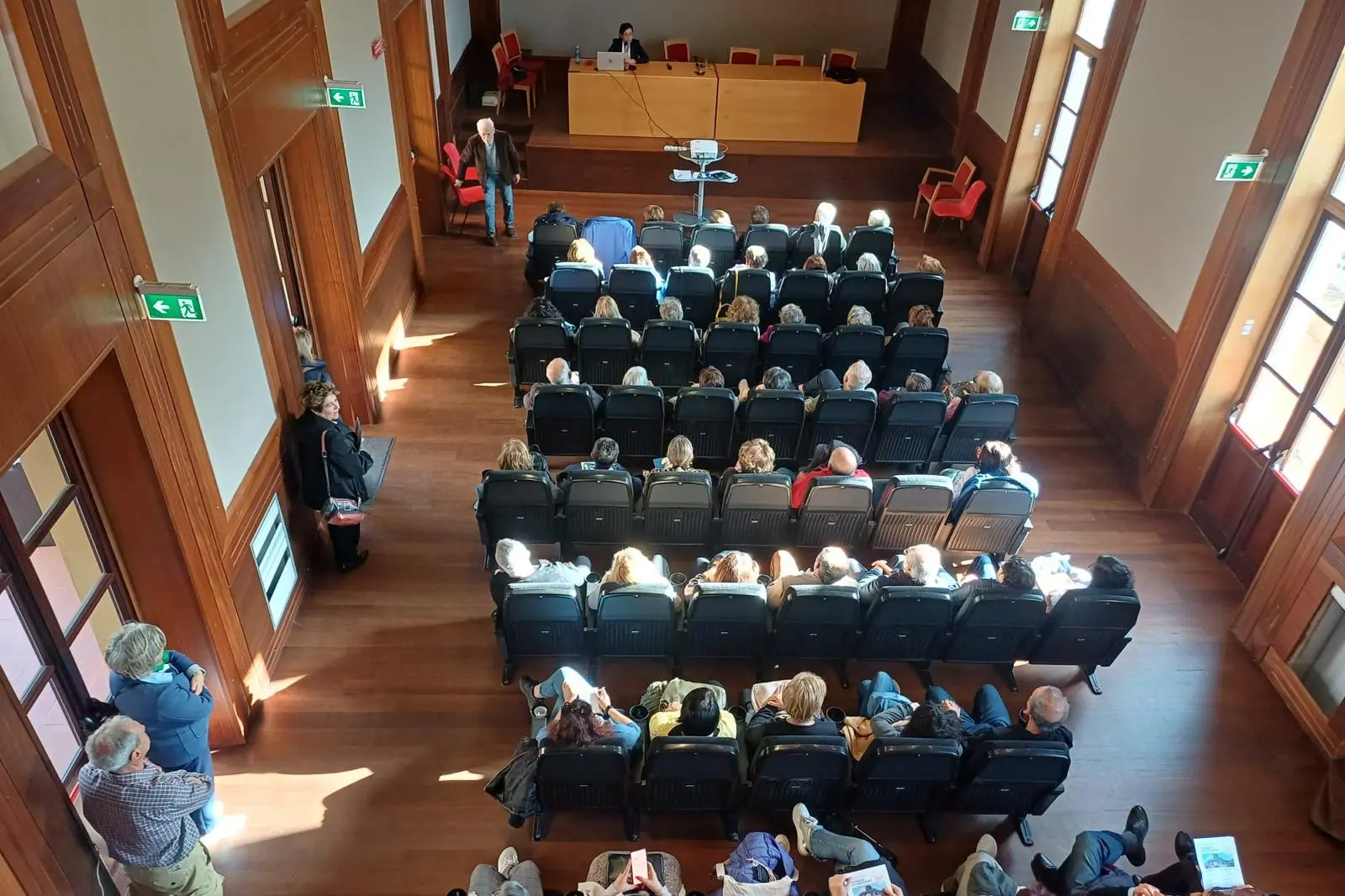
Per restare aggiornato entra nel nostro canale Whatsapp
There is a Sardinia that predates the Sardinia we know. A land where, centuries before Rome drew borders and roads, two worlds gazed at each other, sniffed each other out, and ultimately decided to coexist. This is the Sardinia of the Nuragic and Phoenician peoples, the one emerging from research in the Oristano area and the focus of yesterday's meeting in the Conference Room of the Hospitalis Sancti Antoni at 5:30 PM, with Antonello Sanna and Carla Del Vais .
"We're talking about a phase that precedes the coastal settlements of the Phoenicians and Carthaginians, a time of exploration and settlement by people from the Levant who came into contact with the Nuragic populations and those of Nuragic tradition," explains Del Vais, professor of Phoenician-Punic Archaeology at the University of Cagliari. Del Vais, who has studied the Phoenician and Punic civilizations in Sardinia for years, has described a complex human landscape, made up of indigenous settlements that yield materials that reveal stories of exchange and interaction rather than oppression. "Traces of these contacts are currently found only in indigenous settlements and sanctuaries; these are predominantly valuable bronze artifacts, but also ritual objects and figurative bronzes. The most recent studies are showing us that in some cases these may have been imported, in others "mixed" productions resulting from the interaction between two peoples with a long tradition of metallurgical production and great technological prowess. Only in a few cases, including the site of Sant'Imbenia near Alghero and, in the Oristano area, Santa Cristina di Paulilatino and a settlement near Nuraxinieddu-Oristano, is research revealing more complex situations in which the Levantine presence favored the agricultural exploitation of the land and led to the production of wine also destined for export by sea, as demonstrated by recent finds in Spain and North Africa.
The Oristano area, with its wide gulf and the mouth of the Tirso River, was also a prime territory for Levantine navigators. " From the beginning of the first millennium BC, groups arriving from the East began to travel up the rivers, seeking contact with indigenous communities. It was a peaceful encounter, based on exchange and cultural reciprocity ," Del Vais continues. "In the Oristano area, it is inland, in the Tirso river valley, that the results of this encounter are most clearly seen." Carla Del Vais has been researching some of these contexts for years. "The material traces of these contacts are divided into an initial phase of circulation of objects imported from the East, followed by island production that reflects the fusion of cultures and knowledge of Cypriot and Eastern artisans."
The picture emerging from recent research is that of a Nuragic population that was anything but passive in the face of the arrival of Levantine navigators. "The Nuragic people had their own sophisticated territorial organization, a highly skilled metallurgical tradition, and already active trade networks in various areas of the Mediterranean."
Understanding how very different populations found ways to coexist in Sardinia, and more specifically in the Oristano area of the early first millennium BC, offers a new perspective on the island's history and, more generally, on the Mediterranean as a space of encounter rather than conflict. " The ancient Mediterranean in the early centuries of the first millennium was much more vibrant and dynamic than we imagine, with peoples reaching faraway regions by sea, even in ships with mixed crews, in search of resources and new markets," observes Del Vais. "Perhaps this is the most important message these sites convey."
