

Motta: "Here in Sardinia to celebrate 'The End of Twenty Years'"
A face-to-face with the Pisan singer-songwriter guest at the Marina Café Noir: the new generations, Sanremo, the pleasure of slowness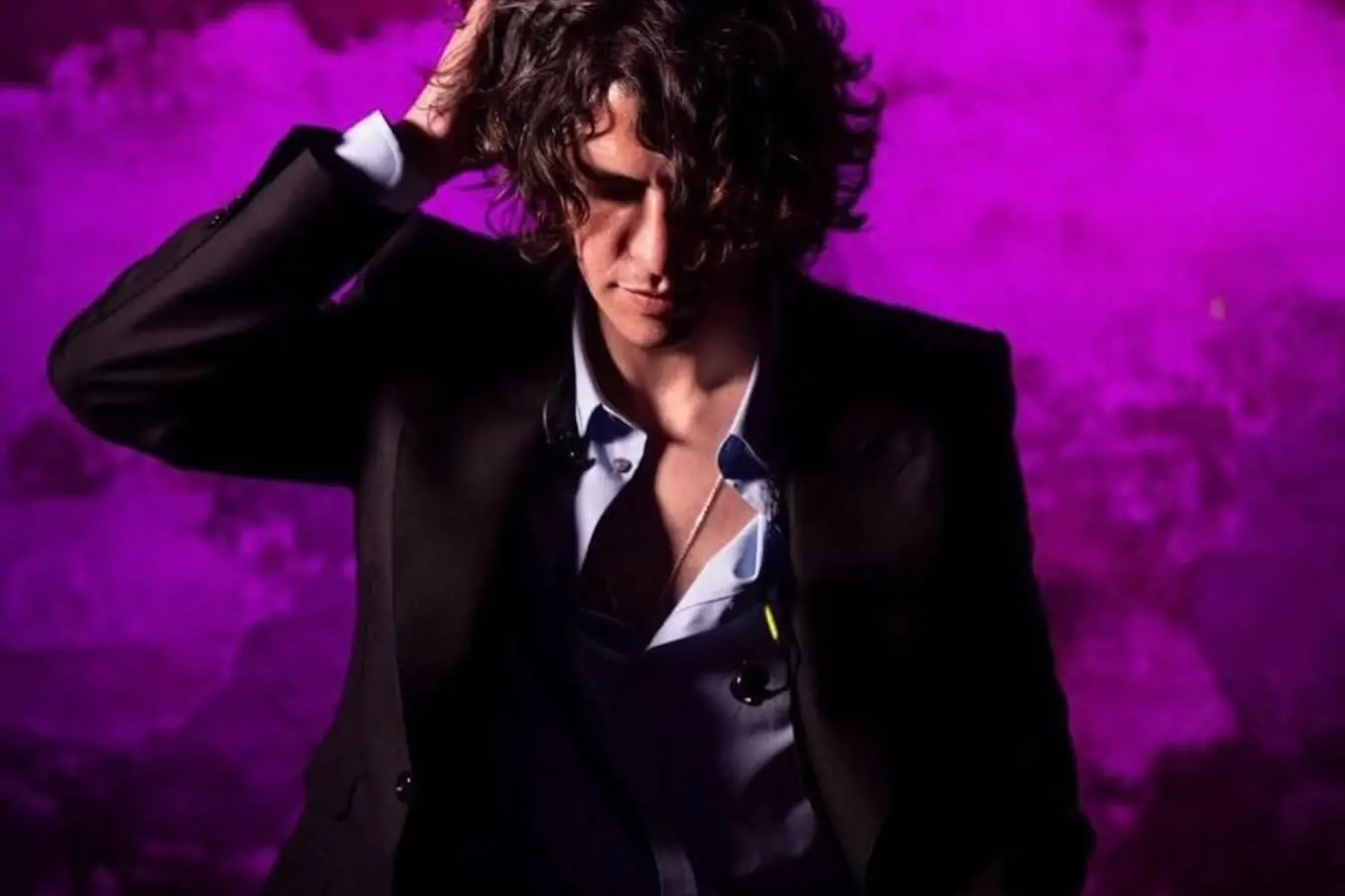
Francesco Motta (photo by the Press Office)
Per restare aggiornato entra nel nostro canale Whatsapp
A generation approaching their thirties with more questions than certainties, raised between the optimism of the 1990s and the disillusionment of the economic crisis, amid precarious jobs, postponed departures, suddenly tortuous paths, and sudden changes of direction in a world that had never transformed so rapidly. With "La fine dei vent'anni," the debut album that in 2016, the golden year of Italian indie music, won the Targa Tenco Award for best first work, Motta transformed private anxieties into a collective narrative. And now that those songs continue to speak to so many, the 39-year-old Tuscan singer-songwriter, a guest tonight at 11 p.m. at the Marina Café Noir in Elmas, is bringing them back on tour throughout Italy and is publishing a new expanded edition , a chance for all those who loved them to look back and count the steps taken. Without any nostalgia, and indeed, in the midst of working on a new album.
Ten years have passed since "The End of Twenty," a title that has become a generational success. In hindsight, was it really an end or rather a beginning?
"No, no, it was precisely the end of my twenties, although telling it that way made me experience it better. Now that I'm in my late thirties, when I think back on those problems, I feel a great tenderness for everything that comes after in life: there are bigger changes, you're less afraid of making mistakes, but also many more opportunities to do so. It's still a mess, just a different mess."
What is your relationship with that record?
"I put my heart and soul into it, along with Riccardo Sinigallia, but when we finished it we felt satisfied, even at peace with ourselves. It's an album I believed in then and I still believe in today. I'm happy to bring it back on the road, and with the snare drum too."
How do you see today's twenty-year-olds?
"I get asked this often, but I feel like I'm at an age where I'm not tired of sitting around judging, much less giving advice. I certainly see that there are different issues than before, and other things that haven't changed at all."
For example, what has changed?
"I'm talking about what I do best: music. When I started out, there were more venues, more spaces, and many live alternatives to talent shows."
In 2019 he brought “Dov'è l'Italia” to Sanremo, which spoke of a lost country.
A song born from the story of a fisherman from Lampedusa. He told me that one night, while fishing in the middle of the sea, in the darkness he heard people on a boat shouting, "Where is Italy?" It was such a powerful story that I felt the need to speak for it. But unfortunately, those who don't want to hear, continue not to hear.
After all these years, have you found an answer to that question?
"No, but I no longer feel tired or disillusioned: I have much more courage to pursue my ideas and launch uncompromising political messages."
Regarding the controversy sparked by Francesco De Gregori's words about slogans and proclamations on stage, what do you think?
"It seems to me that we're clinging to pointless controversies that make us look at the finger instead of the moon. These discussions are being used to avoid the main problem."
What's the current situation for Motta? Looking at budgets, research, or new beginnings?
I'm having a really positive time. I've been working on the new album for three and a half years, and I finally have the time to let everything settle, look at it clearly and without feeling overwhelmed. I'm also having a lot of fun.
He played often in Sardinia.
"Yes, although it's difficult to come with the whole band, and I'd love to come back a lot more. One of my first festivals was right here, near Buggerru, and it remains one of my fondest memories."
