

Memory blooms in a herbarium: "Stories of Art" returns to Oristano.
The book, edited by Antonella Camarda and Giulia Simi of the University of Sassari, will be presented on Friday.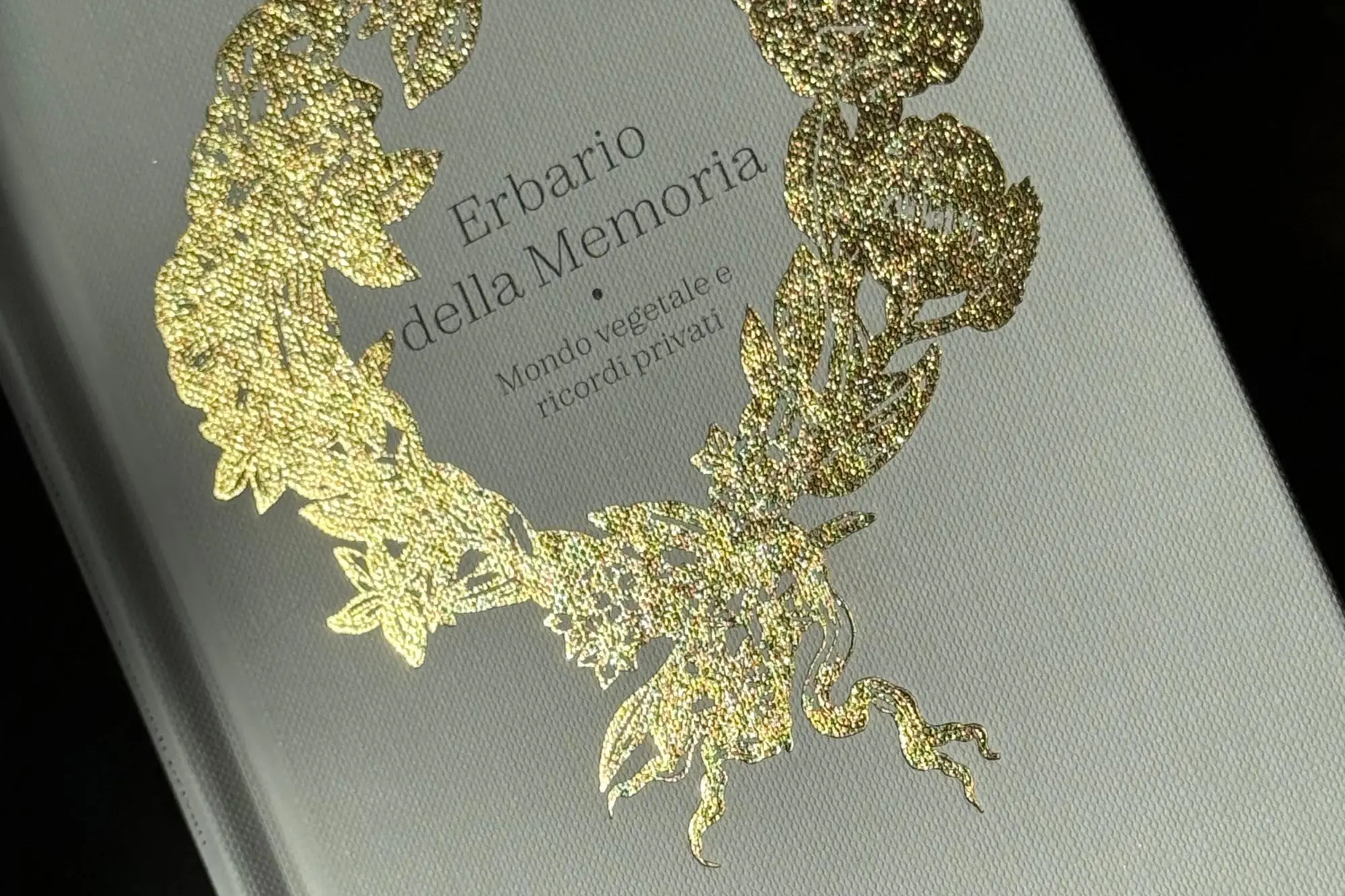
Per restare aggiornato entra nel nostro canale Whatsapp
Plants never forget. They grow between the cracks in walls where someone once lived, they climb the ruins of what once was, they preserve in the scent of their flowers something that words cannot capture. Perhaps this is why the plant world has always been the silent guardian of human memory, and why a book like "Herbarium of Memory," edited by Antonella Camarda and Giulia Simi of the University of Sassari, seems to arise from a need as ancient as the very act of picking a flower and holding it close. The volume will be presented on Friday, April 24, at 6:00 pm at the Hospitalis Sancti Antoni, as part of the "Stories of Art" series of meetings , organized by the Pinacoteca Carlo Contini in collaboration with the Oristano City Council's Department of Culture and the Municipal Library.
"We are delighted to host this project because it embodies exactly the spirit we want to instill in these encounters," says Silvia Loddo , organizer of the event. "It's not simply about presenting a book; it's about starting a conversation. 'Herbarium of Memory' works with extraordinarily intimate materials, such as family archives, family films, oral memories, and botanical drawings, transforming them into something universal. A natural emotional map emerges in which I believe each of us recognizes something of ourselves. And this is exactly the kind of dialogue the Pinacoteca wants to foster between art, territory, and community." The volume, in fact, takes the form of a true emotional herbarium, in which the plant world becomes a key to exploring the past.
Martina Silli and Bruno Savona, both present at the event, curated the book's aesthetic and graphic design, crafting a visual framework in which illustrations, texts, and archival materials intertwine in an ongoing dialogue. The result is something more than a simple book: a contemporary herbarium that, beyond its botanical dimension, takes the form of a poetic archive of memories, symbols, and interior landscapes. Photographs, moving images, oral histories, and botanical illustrations intertwine in a journey where Sardinia ceases to be a mere landscape and becomes a lived territory, a place where bodies, gestures, and places overlap over time like geological strata. The result is a collective reflection on memory, on what endures and what transforms in its fragile and mutable material. An invitation to carefully examine what survives and to question what it means to preserve a memory through the silent and patient lens of the plant world.
