

Meloni, meeting for dinner with Salvini and Tajani after the referendum
Diesel prices are rising, and further excise tax cuts are being considered. Mattarella: "We need responsibility."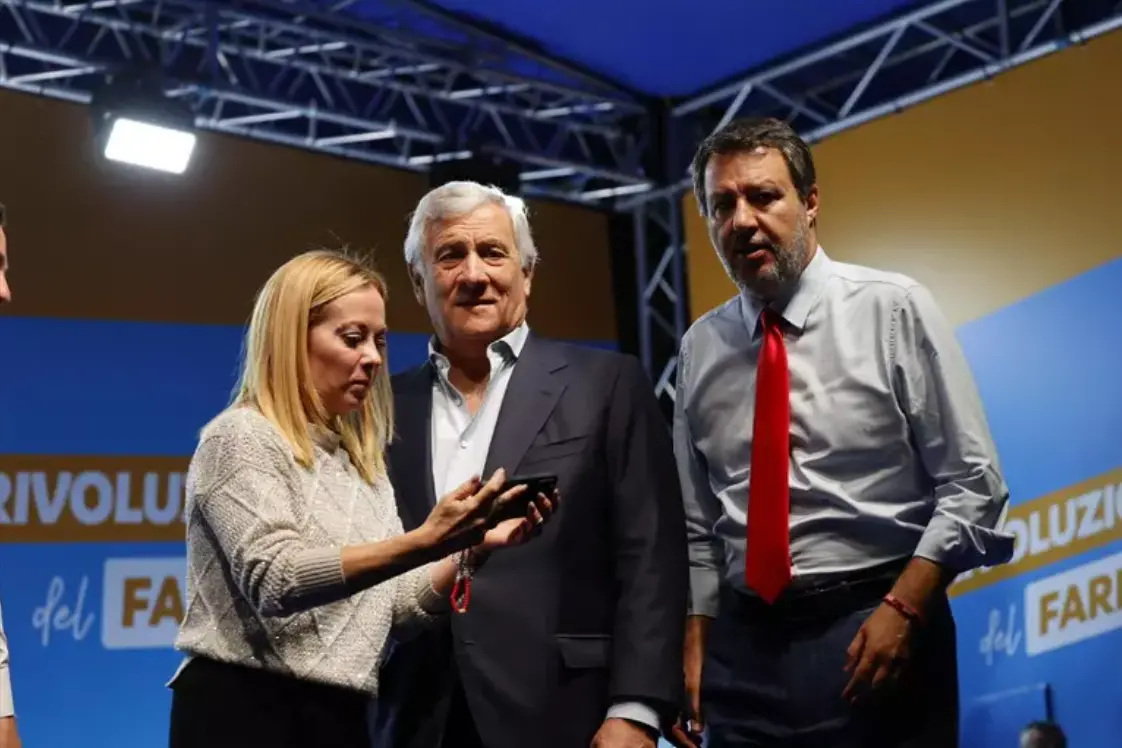
Meloni, Tajani, and Salvini (Ansa)
Per restare aggiornato entra nel nostro canale Whatsapp
A dinner summit at Giorgia Meloni's home, with Matteo Salvini and Antonio Tajani at the table. A routine meeting to review the situation, according to qualified government sources, urging everyone not to overemphasize the news. But last night's meeting comes at the end of the most turbulent week for the government , just days after the referendum debacle and amidst a backdrop of uncertainty, with diesel prices reaching peaks of 2.7 euros per liter, the Middle East conflict showing no signs of de-escalation, and industrialists' ire over the cuts to Transition 5.0 in the tax decree.
Not to mention the opposition's pressure to have the Prime Minister report to Parliament on the government's guidelines . Thus, for Meloni, choosing a new Tourism Minister is just one of many issues on the table, on the eve of a week that promises to be crucial to the fate of her government. During the Saturday of reflections at Palazzo Chigi, Sergio Mattarella's warning could not have gone unnoticed.
"The global context, characterized by ongoing tensions and aggression that have undermined stability and security, with serious attacks on the most basic rights of the populations involved, severely reminds the entire national and international community of its responsibilities," the President of the Republic stated in a message to the Air Force. Meloni, according to those present, at yesterday's Council of Ministers meeting, just hours before the summit with the deputy prime ministers, urged her team to "shift into high gear and deliver results."
But the climate was not ideal, further strained by the clash between Adolfo Urso and Giancarlo Giorgetti over the drastic reduction in incentives for businesses. On the table was the intention to extend the fuel excise tax cut, which expires on April 7th and was enacted on March 18th with the stated goal of "a price reduction of 25 cents per liter for diesel and gasoline and 12 cents per kilo for LPG." The consensus is said to be favorable. But as yet, government sources specify, a decision has not been made. Among the most politically sensitive open issues is that of the leadership of Consob and its subsidiaries: a significant reshuffle is not ruled out, with all eyes focused on Leonardo.
Work is also underway to resolve the issue of a new Minister of Tourism, a role for which a technical expert like ENIT President Alessandra Priante appears to be the frontrunner. Meloni's interim appointment, assumed on Wednesday following the resignation of Daniela Santanchè, should be concluded shortly. Santanchè reportedly did not immediately leave the ministers' chat, raising concerns among her now-former colleagues. Santanchè reappeared on social media with a video thanking her "fantastic" colleagues at the Ministry of Tourism. Because, she adds, "life is long and we must always remember we're together, we're a team." Once the new minister has been named, Meloni will travel to the Quirinale Palace. The opposition, however, is insisting she appear in Parliament. The Democratic Party, Five Star Movement, AVS, and IV have written to the presidents of the Senate and Chamber of Deputies, Ignazio La Russa and Lorenzo Fontana, urging them to urge her to report to the Chamber.
The referendum outcome and the resignations of Andrea Delmastro, Giusi Bartolozzi, and Santanchè, their argument, "require clarity and a specific assumption of responsibility towards the Chambers and the voters regarding the prospects of the government's agenda." "Either Meloni goes to the polls now or there will be a steady decline. I don't rule out the possibility that she's considering elections," says Matteo Renzi. Several scenarios are on the table.
While awaiting polls that will provide a clearer picture a week before the referendum, government analysts predict a million votes to be recovered, but they are convinced that the "No" victory was driven more by war-related fears than by the left-wing campaign. And the effects of the crisis are more concerning than the tensions affecting Forza Italia and the League. Early elections are no longer taboo, but they are still a carefully handled issue among Meloni supporters: after having insisted in recent years on the importance of stability, the prospect of elections before the end of the legislative session would complicate the narrative.
(Unioneonline)
