

Fuel prices: Italians spent an extra 1.8 billion on holidays
Confesercenti: "Structural intervention is needed."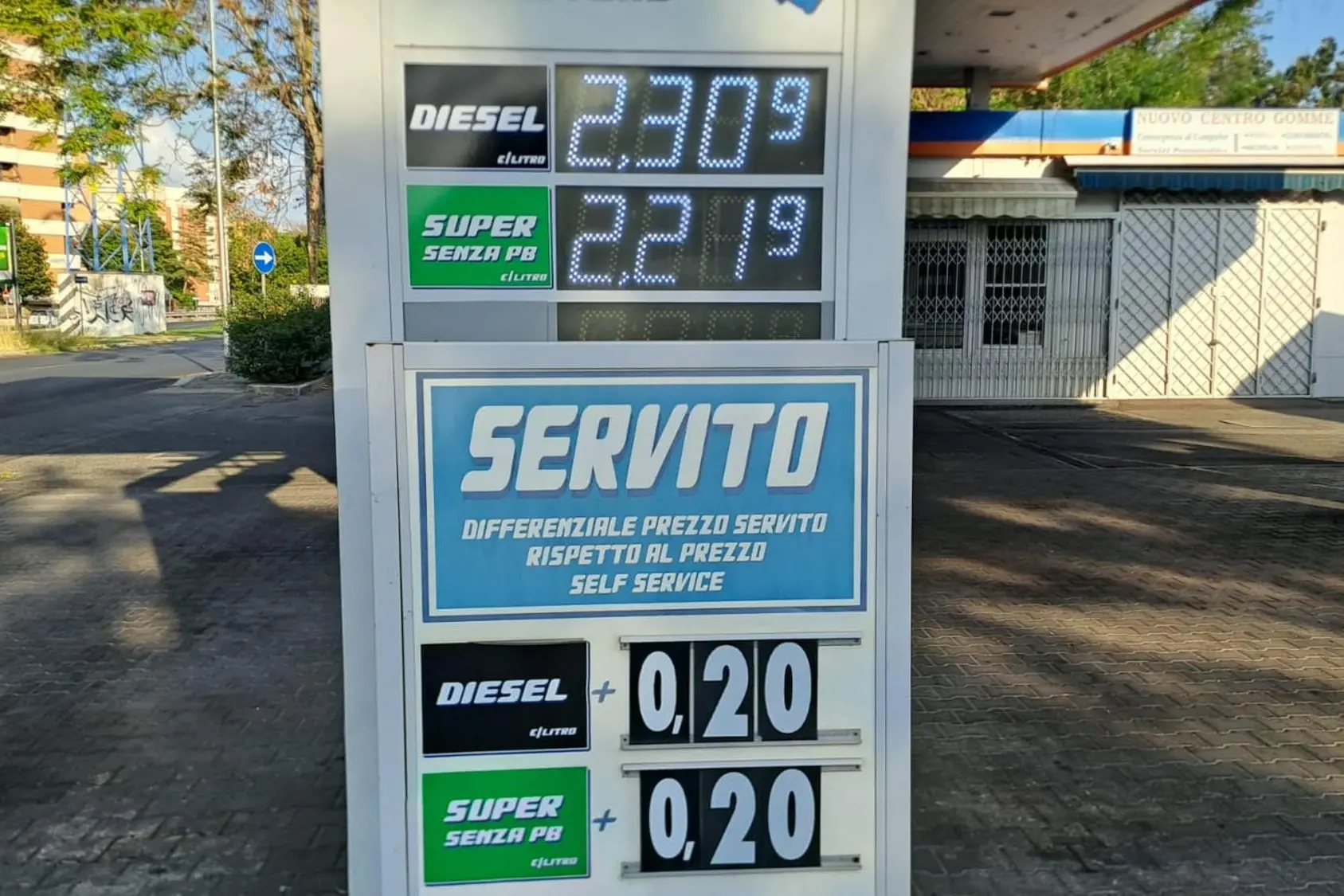
Per restare aggiornato entra nel nostro canale Whatsapp
This summer, filling up the tank cost Italians up to €1.8 billion more than in July and August last year. This burden weighed on family budgets, especially during the two central holiday months, impacting mobility and tourism spending.
This is the estimate from the Confesercenti Economic Office, based on Mimit data and the now almost definitive August findings, based on the same consumption figures: overall, in July and August 2026, motorists spent 21% more on fuel than in the same months in 2025. A comparison with a year ago clearly shows the extent of the increase.
In the summer of 2025, gasoline stood at around €1.70 per liter and diesel at €1.63. In August 2026, the average price will hover around €2 for gasoline and above that threshold for diesel.
The latest Mimit survey, dated August 23, on the road network in self-service mode, indicates €2,010 per liter for gasoline and €2,130 for diesel. Translated into a 50-liter tank, this equates to about €14 more than a year ago for a gasoline-powered car and over €20 more for a diesel. The acceleration occurred in just a few weeks.
Since July 4, with the expiration of the previous excise duty intervention, pump prices have started to rise again just as the breakdown of the truce between Iran and the United States has brought the Strait of Hormuz back to the center of international tensions over crude oil.
Since then, gasoline prices have risen by 10.8% and diesel by 12.4% , without subsequent fluctuations producing a real reversal of the trend. The effect of this increase alone is worth approximately €780 million in the two months. Without government intervention, the price of motorists would have been even heavier.
In July and August alone, the excise duty cut reduced fuel costs by approximately €300 million. This benefit was primarily concentrated on diesel: for much of July, the reduction was not effective, and when it was reintroduced on July 28th, it only affected diesel, with a discount of 17 cents per liter.
Without the measure, a 50-liter tank would have cost approximately €8.50 more. Gasoline, however, has not been included in the scope of the measure since the beginning of July. The prospect of a further extension is therefore certainly useful: in the absence of new resources, the 17 cents would once again be entirely included in the price at the pump, right at the height of the counter-exodus and on the eve of September, a month that is expected to welcome at least 15 million tourists and which continues to be an important part of the season.
(Unioneonline)