

Fuel prices are high, economist Andrea Monticini says, "Reducing consumption is necessary. Austerity is necessary."
The Catholic University professor analyzes the shock in gasoline and diesel prices. "Discounts and bonuses only mask the problem. We need targeted aid for the most vulnerable and austerity for the rest."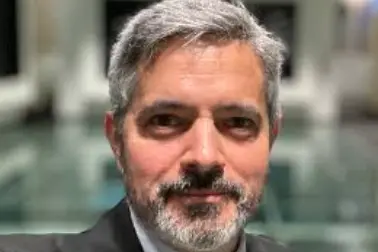
Per restare aggiornato entra nel nostro canale Whatsapp
Andrea Monticini, professor of Econometrics at the Catholic University of Milan, speaks about the high fuel prices, a nightmare for citizens and businesses at the end of August.
Gasoline and especially diesel prices are constantly rising. What's going on?
We're experiencing a price shock for gasoline and, especially, diesel. Let's start with the real data. We have less gasoline and diesel available than we did just a few months ago. The commodity is in short supply, and the higher price reflects the current situation.
What measures are needed to address price increases?
Reducing excise taxes or offering discounts masks the problem. There's a fundamental point we need to start with.
Which?
We must consume less. Higher prices force us to reduce fuel consumption. This isn't pleasant. It's a solution we'd all clearly like to avoid, but we're faced with an emergency beyond our control. It all started with a sharp increase in oil prices at the end of February due to the Middle East crisis. Italy and Europe are suffering the consequences of the international situation. The crisis is still ongoing. There are wars raging in countries on the front lines of oil extraction and refining. Until the terrible conflicts are resolved, it won't be easy to find a solution to the high fuel prices.
Professor, how to proceed?
First thing: don't mask the problem by resorting to measures that aren't effective.
What to do for those in difficulty?
The government must direct all possible resources to protect the most vulnerable families and businesses most exposed to energy costs. Targeted interventions with precise transfers are needed to try to alleviate costs for those who need help and protection most. The remaining population must find ways to consume less.
So austerity with alternative solutions to the car.
Exactly. Public transportation and carpooling. A series of measures must be implemented to reduce consumption. We're facing a new situation that requires these kinds of responses.
How long will it last?
No one can say how long the price shock will last. We must live with this problem, which the government certainly cannot solve with stopgap measures.