


How to Defrost Your Refrigerator and Freezer: A Practical Guide to Saving Energy (and Extending Their Life)
Ice isn't just an aesthetic problem: it increases fuel consumption, reduces available space, and forces the engine to work harder. Here's how to remove it easily and safely.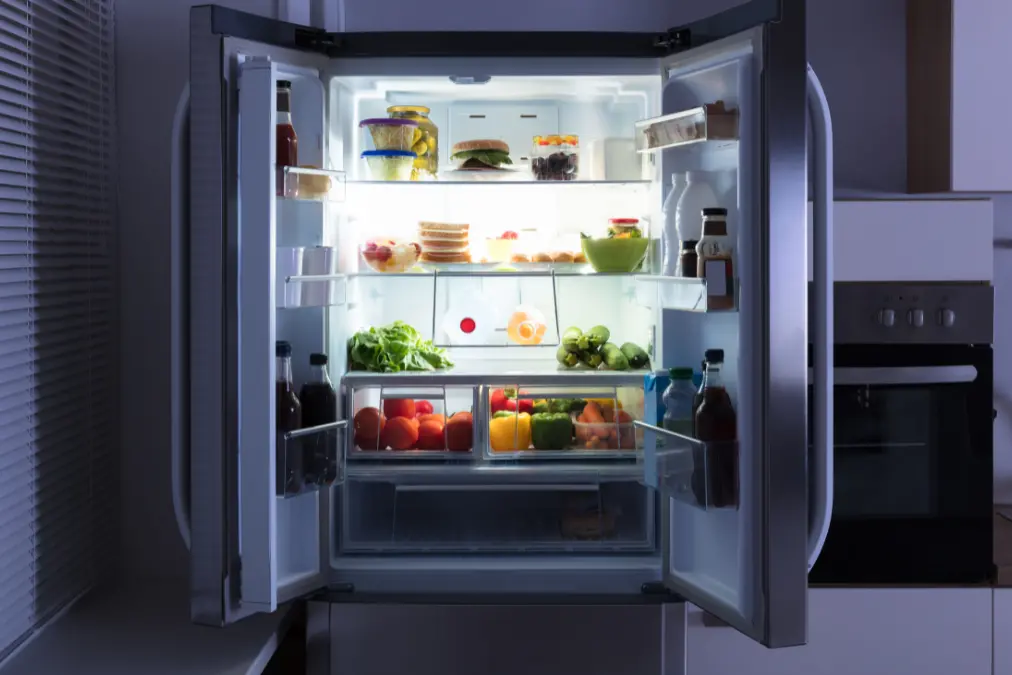
Per restare aggiornato entra nel nostro canale Whatsapp
Opening the freezer and finding a thick layer of ice is a familiar sight in many homes. Yet frost isn't just a nuisance: it can increase energy consumption, reduce appliance efficiency, and take up valuable space. Regularly defrosting your refrigerator, if it doesn't have NoFrost technology, is therefore a good habit that helps you save on your energy bill and keep your food in ideal condition.
How often should it be defrosted?
There's no one-size-fits-all rule, but experts recommend frost removal when the ice layer exceeds 3-5 millimeters. On average, once or twice a year is sufficient, perhaps when you close your home for the summer, but the frequency depends on how often the freezer is opened and the humidity in the room.
The best moment
Choose a day when the freezer is almost empty, or take advantage of the time after shopping, when you have little food to store. This is easier in winter, but it can be done any time of year by packing a cooler or cooler.
How to proceed step by step
First, unplug the refrigerator. Empty the freezer completely and, if necessary, the refrigerator as well, storing more delicate foods in a cooler with ice. Place some towels on the floor in front of the appliance: as the ice melts, water will inevitably form. To speed up the process, you can place a pot or bowl of very hot water inside the freezer and close the door for about ten minutes. The steam will help soften the frost without damaging the surfaces. When the ice begins to come off, gently remove it with a plastic or silicone spatula.
Mistakes not to make
Haste is a bad idea. Never use knives, screwdrivers, forks, or other sharp objects to break the ice: even a small accidental hole in the refrigerant circuit can permanently compromise the appliance's operation. Even pouring boiling water directly onto the interior walls should be avoided, as the sudden temperature change could damage the plastic.
The final cleaning
Once all the frost has been removed, clean the interior surfaces with a soft cloth and a solution of warm water and baking soda or water and vinegar. Avoid harsh or scented detergents, which could leave lingering odors. Thoroughly dry each surface before turning the refrigerator back on: residual moisture encourages the formation of new ice. After turning the appliance back on, it's a good idea to wait until the freezer returns to the ideal temperature , around -18°C, and the refrigerator reaches 4°C. Only then should you put the food back in.
How to slow down ice formation
A few simple steps can slow down ice formation : open the door only when necessary and close it quickly; never place hot food inside; periodically check that the seal is sealing properly; and avoid overfilling the freezer, so that cold air can circulate better.
What if the refrigerator is No Frost?
In this case, it's not necessary to defrost the freezer, as the system prevents frost from forming. However, it's still important to periodically clean the interior and seals, and, if specified by the manufacturer, the ventilation grilles, to maintain the appliance's peak performance. A few minutes of maintenance every now and then may seem like a waste of time, but in the long run, it makes a difference: the refrigerator will consume less energy, last longer, and preserve food better. It's one of those small household touches that translates into tangible savings, both for your wallet and the environment.
(Unioneonline/D)
