

Gallura: Short-term rentals and overtourism are reshaping the real estate market.
Property values are changing, the issue of "Airbnb buildings" is at stake.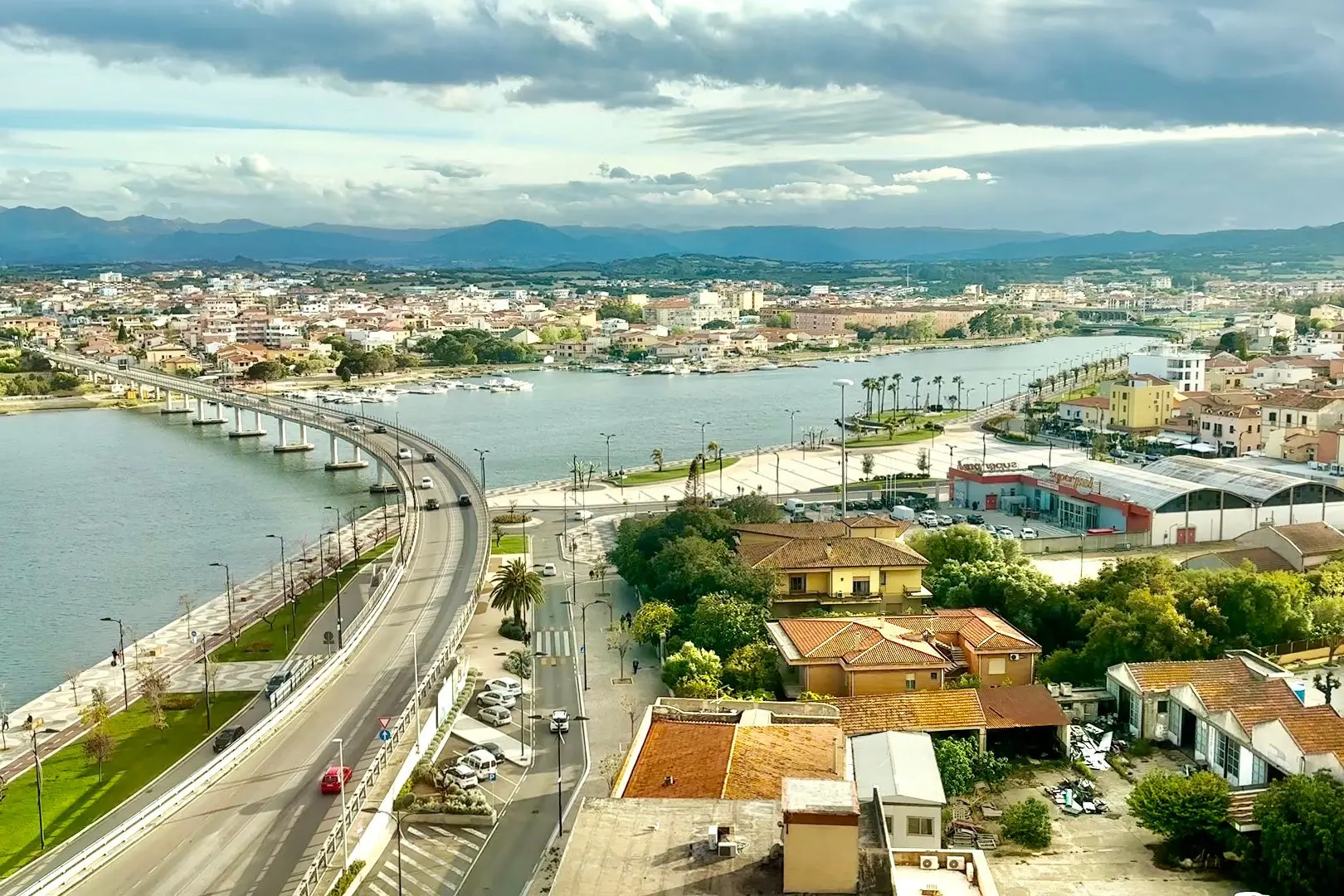
Olbia (photo courtesy)
Per restare aggiornato entra nel nostro canale Whatsapp
Short-term rentals and overtourism are reshaping the real estate market in northeastern Sardinia, altering the value of homes and transforming entire urban neighborhoods.
This is what emerges from an analysis by the real estate agencies Brili and Brilas of Olbia, which analyzes the increasingly evident effects of tourism on real estate in one of the areas with the highest real estate pressure in Sardinia.
According to the analysis, today the same property can have completely different values depending on its intended use: residential housing or short-term rental investment. This shift is directly impacting prices, especially in areas most in demand by international tourism.
The phenomenon is particularly visible in the heart of Olbia. According to data from the Revenue Agency's Real Estate Observatory, in the second half of 2020, sales values in the historic center ranged between €1,150 and €1,700 per square meter. Today, the range is between €1,350 and €2,000, an increase of more than 15%. For fully renovated properties, prices reach €3,000 per square meter.
"AIRBNB BUILDINGS" – Short-term rentals, however, aren't always having a positive effect on the market. When a property or entire building is perceived as overly touristy, destined almost exclusively for Airbnb destinations, the market can react in the opposite direction, reducing its attractiveness for resident families and buyers looking for quality living. Factors that negatively impact properties include constant guest turnover, condominium disputes, increased wear and tear on common areas, and the loss of the properties' residential character. "This phenomenon primarily affects high-end properties and luxury condominiums," explains Lino Mura of Brili and Brilas, "where quality living is a key determinant of value."
The debate also extends to tourism pressure and the availability of housing for residents. The shift of apartments from the residential to the tourist market pushes up both sales prices and rents, changing the urban fabric.
But beware of simplifications, warns Ramona Cherchi, general manager of the hotel sector and vice president of Federalberghi Gallura: "In Sardinia, the term overtourism is used improperly. The phenomenon affects very limited periods of the year and specific micro-areas. We can experience strong pressure in some areas of Gallura in the summer and, at the same time, in other areas that don't reach sufficient numbers to support the hospitality sector."
For Cherchi, the crux is another: "Overtourism isn't the real problem, but rather the symptom of a lack of strategic planning. It's not about limiting tourism, but rather managing it, distributing flows across space and time." "The quality of life for residents and the quality of the tourist experience aren't in conflict. They grow together when there's a clear, shared strategy. Without one, the risk is a system where everyone loses," he concludes.
(Unioneonline)