


From ATMs to apps: How managing resources and expectations is changing
Per restare aggiornato entra nel nostro canale Whatsapp
The digital transformation of recent years has profoundly changed the way financial resources are managed, moving from physical tools like ATMs to increasingly advanced mobile platforms. In the current digital landscape, innovative services also allow you to instantly monitor, exchange, and convert currencies like ethereum and euros, thanks to platforms like Binance .
Digital management is now more comprehensive and centralized thanks to the integration of advanced features, such as automatic expense categorization, real-time notifications, enhanced security systems, and the ability to access multiple financial services within a single interface. This approach promotes more informed control of one's resources, making every transaction more streamlined and contributing to the creation of an accessible, intuitive, and constantly updated financial ecosystem.
From cash culture to daily digital management
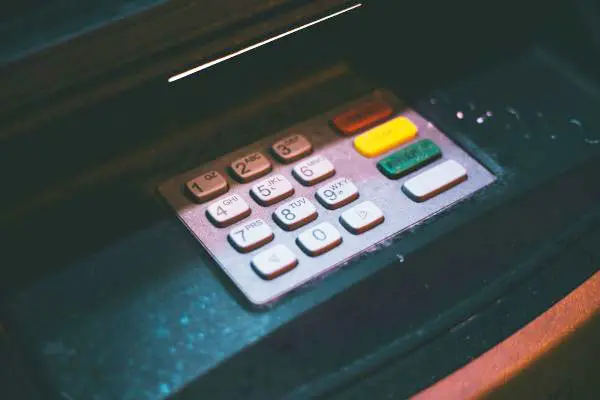
For many years, managing personal finances was closely tied to cash and the use of ATMs for basic transactions such as withdrawals, deposits, and balance checks. With the widespread diffusion of financial management apps, the concept of daily operations has expanded significantly. Today, it's possible to monitor your account , view transactions, organize budgets, and schedule payments through digital tools accessible at any time.
Apps have blurred the line between physical and digital operations , offering an immediate, intuitive management method independent of time or geographic constraints. This shift from physical to digital has reinforced the idea of continuous and informed control, transforming the mobile device into a true operations center.
The evolution of apps as central control tools
Financial management applications now allow for detailed monitoring of income and expenses, with features that include expense categories, comparative graphs, and personalized alert systems. The ability to view transactions in real time provides a constant overview of personal financial performance, reducing the need to visit ATMs or consult paper statements.
In addition to consultation, many apps integrate advanced tools for organizing goals, structured savings, and payment plans. The intuitive graphical interface helps users maintain efficient control over their resources without requiring any special technical skills. This centrality of apps represents one of the key elements transforming contemporary financial management.
Digital tools and real-time resource management
Digitalization has introduced the ability to instantly monitor every movement. Among the most popular features are instant notifications, which allow users to be instantly informed of payments, debits, or credits. This type of direct and immediate communication has changed the way security and control are perceived, offering a comprehensive experience that reduces uncertainty.
At the same time, automatic expense categorization features are becoming increasingly popular, allowing users to better understand their spending habits. These tools are particularly useful for those who want to adopt a more structured approach to financial management , making it easier to set priorities and optimize cash flows.
App as a hub of integrated services
A key aspect of the current digital evolution is the integration of additional services directly within applications. Many platforms are no longer limited to traditional functions, but include complementary services aimed at planning, security, and advanced resource management.
The apps thus act as digital hubs where you can consult documents, store electronic receipts, analyze personalized statistics, and access additional security tools like two-factor authentication. This set of features helps create a comprehensive ecosystem that doesn't simply replace the ATM, but extends the experience by making it more versatile and centralized.
Digitalization and user expectations
With the growing popularity of digital solutions , user expectations have evolved significantly. Today, those who use financial tools expect immediate information availability, clear interfaces, and the ability to complete transactions without complex steps. The combination of speed, accessibility, and accuracy represents a standard that modern apps are called upon to meet.
Digital management has also led to a shift in the perception of security. Today's technologies integrate robust protocols, advanced verification systems, and control mechanisms that increase the protection of personal data. This approach has fostered a climate of greater trust, strengthening the adoption of digital tools for asset management.
Transparency, control, and analysis: the three pillars of digital management
One of the main advantages of digital platforms is their ability to improve transparency. In just a few seconds, you can check your transaction history, identify recurring expenses, and evaluate your overall financial performance. This clarity allows you to make more informed decisions about managing your financial resources .
Alongside transparency, control is another key aspect. The ability to set spending limits, schedule payments, or monitor specific consumption categories allows for structured and personalized management. Finally, the apps' integrated analytics tools provide a comprehensive picture of financial performance, allowing users to identify patterns and optimize their finances.
