

February 1793, La Maddalena against the Revolution: priests, militias and the first stop to Napoleon
The island repelled the French attack and wrote a decisive page in its history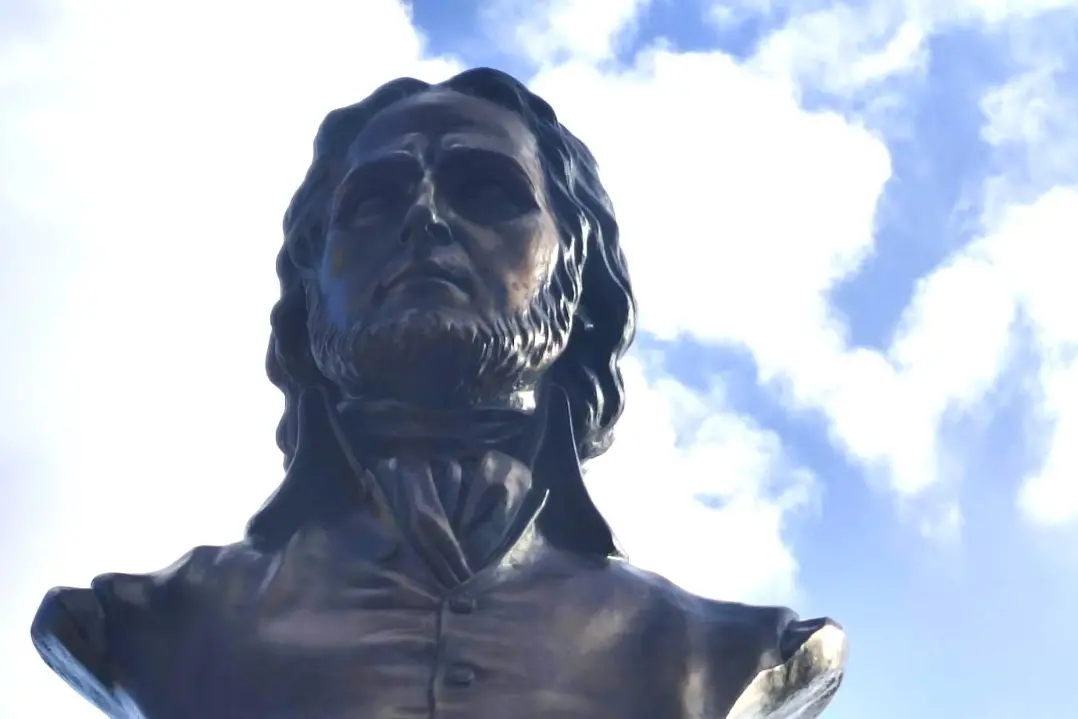
Per restare aggiornato entra nel nostro canale Whatsapp
In February 1793, the La Maddalena archipelago became a theater of confrontation between the European Ancien Régime and the French Revolution. The Franco-Corsican troops, who had set sail from Bastia with the intention of opening a passage to Sardinia and conquering it (in two operations, from the north and the south), counted on a swift operation here: they believed the island's defenses were weak and trusted in the inhabitants' shared Corsican roots, believing this would facilitate the occupation. But the echoes of the Parisian events had already ignited deep fears. The confiscation of church property, the oath imposed on the clergy, and the execution of Louis XVI had shaken the European monarchies and unsettled the religious hierarchies. In Sardinia, the threat was perceived not only as a military danger: it appeared as the advance of an ideology capable of subverting the social and religious order.
In this climate, the Sardinian Church played an important role; in particular, the diocese of Ampurias and Civita, led by Bishop Michele Pes, urged mobilization: it banned the circulation of writings deemed subversive from Corsica, organized supplies, and coordinated the evacuation of civilians from La Maddalena. Here, where approximately eight hundred people, mostly of Corsican origin, lived, a clear choice was made. As early as November 1792, families had requested that women and children be transferred to Gallura, a clear sign that they were preparing to resist. Able-bodied men were organized into militia companies, while priests such as Father Bernardino Pes, who had arrived specially from Tempio, and the parish priest Giacomo Mossa, supported the fighters, providing them spiritual and moral support. The defense of the island thus took on the tone of a battle fought "for God and for the King." Sealing this determination was the banner of Santa Maria Maddalena, with the motto “Victory or die”, before which the heads of the families swore an oath. It was hastily prepared and hoisted and made to fly on Fort Sant'Andrea, built a few years earlier to defend the town.
When a bomb, attributed to the battery of the young officer Napoleon Bonaparte, who was participating in the expedition, broke through the roof of the church and rolled in front of the altar without exploding, the event was interpreted as a sign of divine protection. In a context marked by fear and uncertainty, that event strengthened the defenders' morale. Meanwhile, Gallura had also mobilized. Hundreds of militiamen and volunteers gathered along the coast between Palau and Arzachena; from the church of Luogosanto, they had brought with them the banner of the Virgin, along with howitzers, with which they exchanged fire, along with that launched from the forts of La Maddalena and the small royal Savoy fleet, on the invaders. During the night, they lit chains of bonfires, which, in the eyes of the French, multiplied the strength of the forces in the field.
The work was completed by the boldness of Domenico Millelire, who, with a sudden attack against the French positions that had conquered the island of Santo Stefano, helped disorient and demoralize the invaders, ultimately forcing them to retreat. Napoleon Bonaparte, who suffered his first defeat here, became Emperor of the French just 11 years later. The victory of February 1793 was greeted with solemn Te Deums of thanksgiving throughout the island. It was not simply a military success. That episode marked the strengthening of an identity within the Kingdom of Savoy but, at the same time, represented the reaffirmation of the monarchical and religious order against the ideas of liberty, equality, and democracy that were attempting to cross the Strait of Bonifacio from France, for which, evidently, the time was not yet ripe.
