

Farewell to Wilma De Angelis: From Sanremo to TV Cooking
Singer, actress, presenter, a thousand faces of sympathy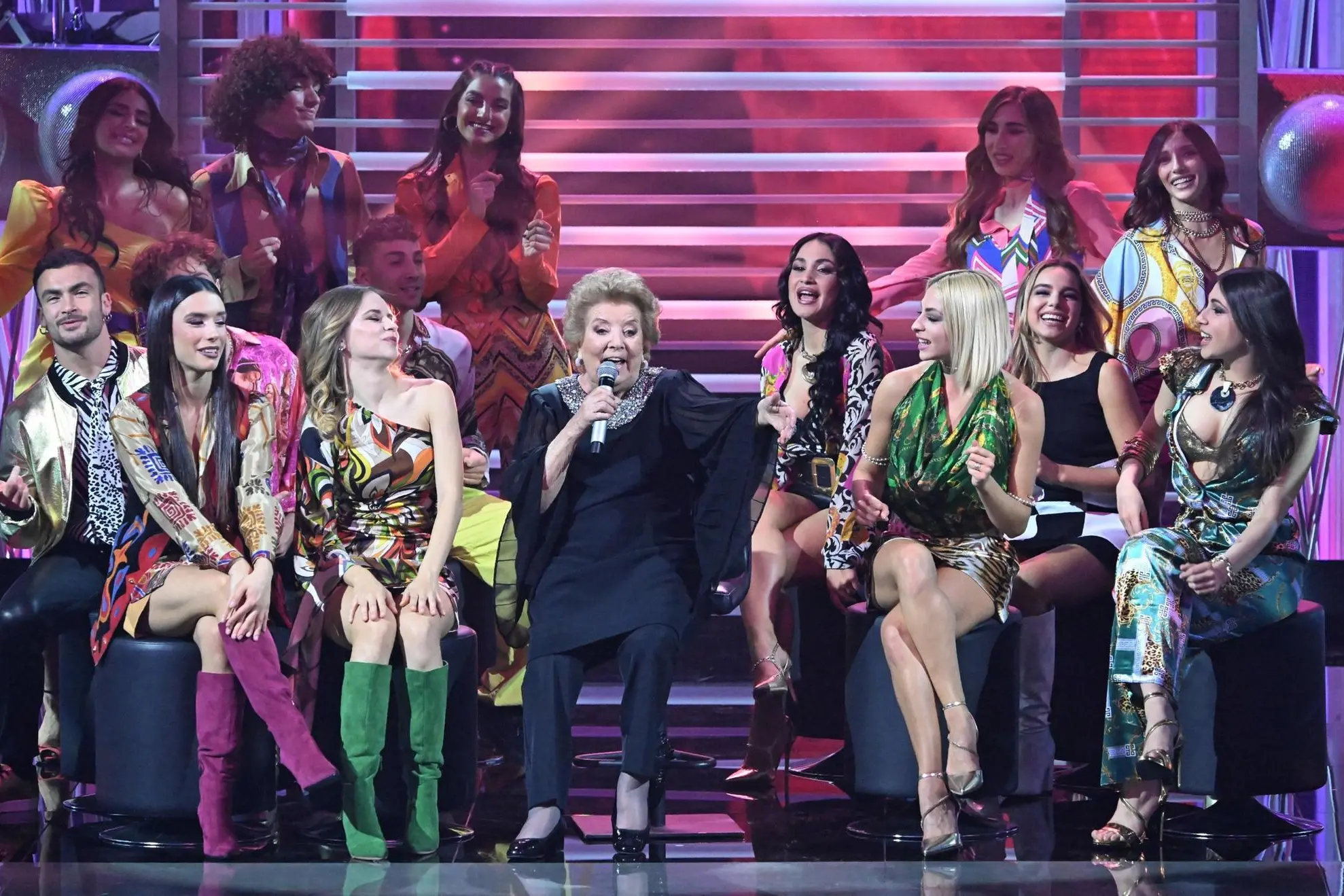
Per restare aggiornato entra nel nostro canale Whatsapp
Farewell to Wilma De Angelis, singer, actress, host, and pioneer of TV cooking shows: a thousand faces marked by the vitality and charm that made her a beloved figure to the general public.
She died this afternoon in Milan at the age of 96, surrounded by her family's love. "Goodbye, Aunt Wilma," her nephew Fabio De Angelis wrote on Facebook. "Your songs, your kindness, your smile, and your joy for life will forever warm our hearts. A heart that, right now, is in pieces! In the end, you lived a life worth living. Goodbye, Aunt, until the next life."
MUSIC AND SANREMO – Born in Milan on April 8, 1930, Wilma De Angelis studied singing with Maestro Cosimo Di Ceglie and then with Maestro Rusconi. After debuting in Milanese nightclubs, she signed her first recording contract with Vis Radio in the early 1950s. For a few years, she formed a vocal duet with Maria Dattoli, but in 1956 she decided to pursue a solo career . In 1959, she debuted at the Sanremo Festival with the songs "Nessuno," featuring Betty Curtis, and "Per tutta la vita," featuring Jula de Palma. The following year, she returned to the Ariston stage with the song "Quando vien la sera," featuring Joe Sentieri, taking third place, which remains her best placing at the festival, which she attended nine times. But it was in 1961, with the song "Patatina" by Gianni Meccia, that Wilma achieved extraordinary success at Sanremo. Among the best-known songs are “The Rainbow Shines,” “For All Your Life,” “The Colors of Happiness,” “Before You Sleep, Little Girl,” “Serenella,” “It Costs Nothing,” “A for Love,” “Red Lights,” “Little House in Canada,” and others.
ON TV – In the 1970s, while continuing to release new albums, she began a long and successful career as a television host. Her meeting with Paolo Limiti was crucial, as he involved her in the project to bring cooking to television on Telemontecarlo: "Telemenù," "Sale, pepe e fantasia," and then "A pranzo con Wilma" would make her one of the most popular faces on the small screen, as well as the author of successful recipe books.
In the 1980s, she returned to recording, with Ricky Gianco and the Oldies. She also starred in the television drama based on The Betrothed, in films such as "Femmine contro maschi" by Fausto Brizzi, and also appeared on TV, such as "Stasera pago io" with Fiorello.
In her long career, there was even a minor diplomatic incident, as Wilma herself recounted: after inviting her to the gala celebrating the 70th anniversary of the Sanremo Music Festival with other singers, RAI withdrew the invitation without providing a reason. "I even bought the dress; I really wanted it," she confessed. Mara Venier then invited her to the traditional episode of Domenica In dedicated to the Festival, airing the Sunday after the finale.
(Unioneonline)