

Ettore Bassi: "Guys, come to the theater. When I was young, I was a magician and presenter in Olbia."
The actor brings Manzoni's masterpiece "The Betrothed" to Sardinia: the melodrama with music by Marco Beretta.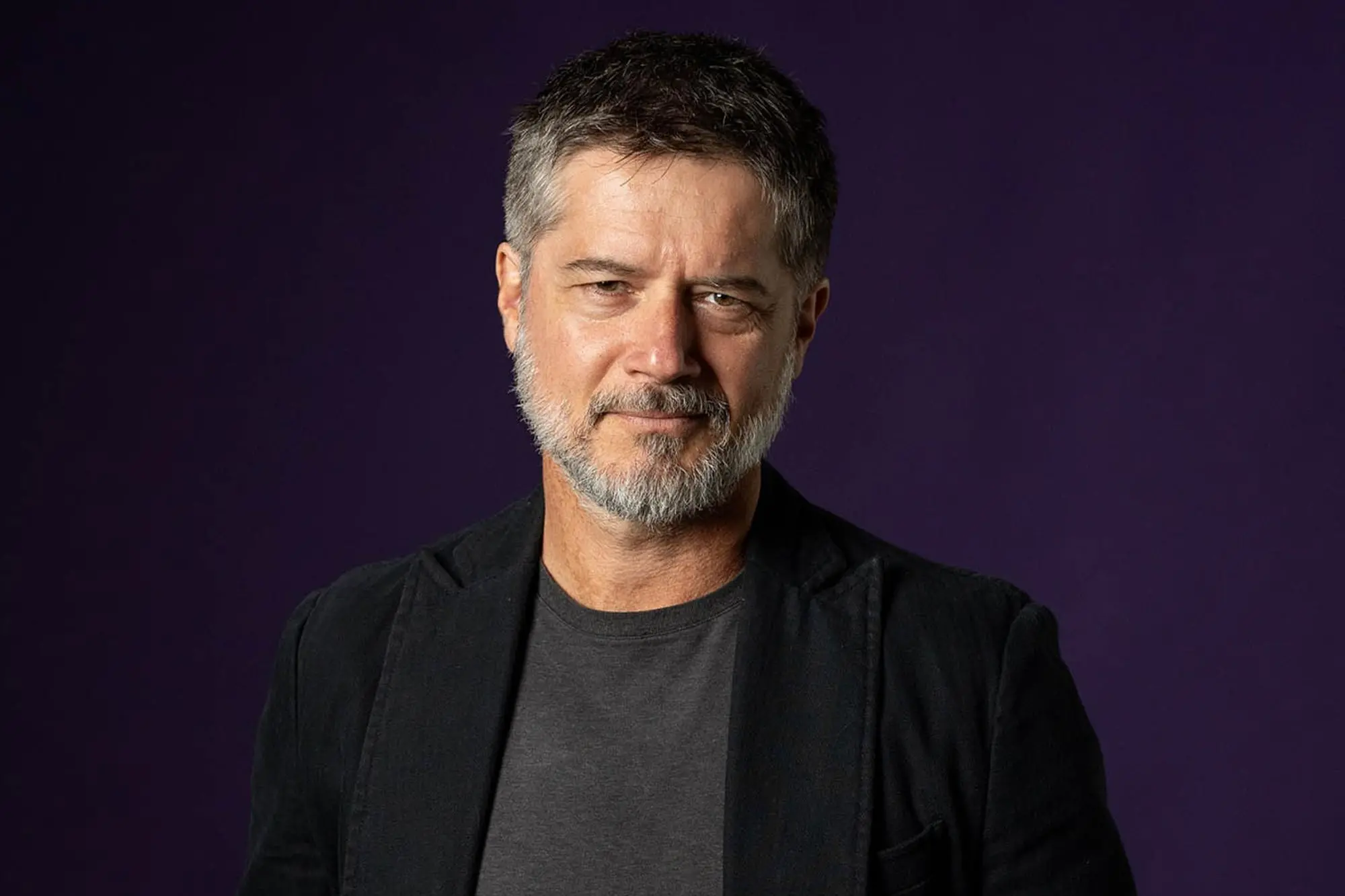
Ettore Bassi (photo courtesy of Antonio La Selva)
Per restare aggiornato entra nel nostro canale Whatsapp
What a waste to relegate it to a "brick" to be faced in school. With passions, abuses, plot twists, wars, and surprising characters, Alessandro Manzoni's "The Betrothed" is above all a great, eternal story. Today it lives again on stage in "Questo matrimonio non s'ha da fare," a melodrama for narrator and piano that sees actor Ettore Bassi, born in Bari 56, bring to life a literary masterpiece, accompanied by original music by pianist and composer Marco Beretta, and directed by Alberto Oliva. The show is part of the 2026-2027 prose season of CeDAC Sardegna and comes to the island with five performances: tonight at the Teatro Centrale in Carbonia, tomorrow at the Teatro Comunale Akinu Congia in Sanluri, on October 23rd at the Teatro Tonio Dei in Lanusei, on October 24th at the Teatro San Bartolomeo in Meana Sardo, and closing on October 25th at the Teatro Civico Gavì Ballero in Alghero.
Ettore Bassi, how relevant is Renzo and Lucia's adventures?
Everything. The bullying, the abuse, the desire of two young people to be masters of their own future, even the tragic scenario of the Milanese plague of 1630 overlaps with the shocking one of Covid. "The Betrothed" is a true fiction: it doesn't transport your imagination to who knows where, it confronts you with a disconcerting current situation.
How does your work as a performer change when your voice interacts with the piano?
The marriage of literature and music is a stimulus that requires adaptation and commitment. The music, specially composed, brings out a hidden rhythm, underscoring and anticipating, while my voice confirms. A dialogue in which the audience immerses themselves with their imagination, through suggestions that restore the color of the story.
Is there a Manzonian character you're particularly fond of?
It's a fresco of humanity that makes them all interesting, because Manzoni always manages to bring out unique nuances. Even in the story of Don Rodrigo, who is certainly not a sympathetic character, there are nuances that make you understand him. I feel sympathy for Don Abbondio, while I've rediscovered Fra Cristoforo: his willingness to take a stand, to take risks, and to oppose arrogance is something rare that deserves to be defended.
After more than thirty years of TV, cinema, and theater, what does the stage give you more?
"Theatre is about density; it makes you feel involved and a protagonist. Television and film are media; by definition, there's something between you and the audience. In the theatre, there's no such intermediary: there's you, the one acting, and there's someone who immediately gathers the input. That's the value of presence. That's why it's increasingly valuable, and for me, it's also a civic commitment."
Meaning what?
"There are artists who are artists for themselves and others who do it for others. I want to make myself available to try to reflect together in a world that flattens us . It's not a unilateral path: it's an exchange."
With "The Fisherman Mayor," a monologue on the Vassallo murder, you've met thousands of students over the course of 10 years. What happens when theater meets young people?
"I see them increasingly alone: theater is an opportunity to engage them, offering them a path from which to draw unexpected energy. Just look at them when they enter the audience: at first they're skeptical, then when the show ends I see their eyes sparkle with light and beauty. They don't have to learn, they just need to be accompanied."
He's in Sardinia these days, but perhaps not everyone knows that in the 1990s he was an entertainer in the Cugnana Verde village in Olbia...
"What memories! Since I was a child, I've loved magic and sleight of hand, and yes, as a boy I worked for a while as a magician-presenter in Olbia. Sardinia fascinated me from the first moment: a proud, fierce people, always defending their values. In its own way, Manzonian."