Elissa, Jezebel, and the other phoenix women: "Musicians and high in the priestly hierarchy."
A complete dimension that encompasses the production development chain (ceramics) and also leading roles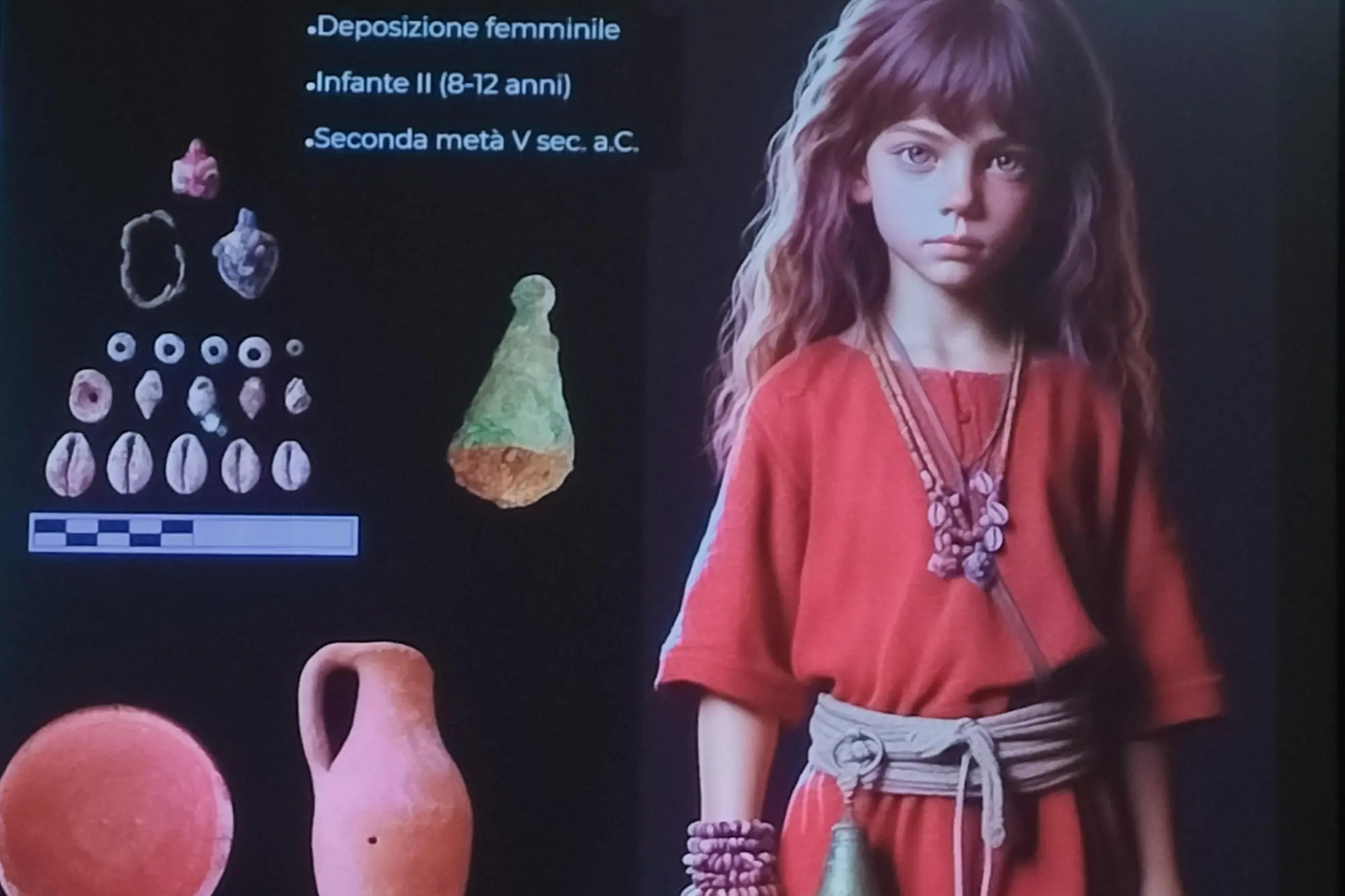
Per restare aggiornato entra nel nostro canale Whatsapp
Studies from over half a century ago identified women with specific roles within the domestic hearth: childcare and cooking. Almost all of this was confined to the family sphere. Yet, new directions in archaeological research analyzing roles within Phoenician-Punic society reveal a clear expansion of women's image. A comprehensive dimension encompassing the chain of productive development (ceramics), priestly roles, and even leadership roles.
This extraordinary and unprecedented insight emerged from the conference by Spanish archaeologist Rosana Pla Orquin, held at the Archaeological Museum of Carbonia thanks to Simuc.
"The sources are primarily the necropolises," the archaeologist explained, "which have yielded valuable information on lifestyle, diet, and mobility." Consider the 360 burials at Monte Sirai, in Carbonia, with impressive grave goods. Striking, for example, is the relationship between women and wine consumption, which was not forbidden, and the weaning of infants, which occurred at two years of age, with mothers feeding grains and meat while breastfeeding.
The remains of a priestess were found in Sant'Antioco and some inscriptions refer to the Shardana woman : «They had roles in the priestly hierarchy, but they were also musicians, tambourine players and were integrated into non-separated rituals».
Their skin color was dark or olive. Their names, at least those that have become very famous in historiography, are, for example, Elissa and Jezebel. As for the alleged sacred prostitution, science is now certain: the question does not arise.