

Cristiano De André: "Sardinia was my father's refuge, today it's mine too."
The singer-songwriter and son of the Genoese poet is preparing for the two Sardinian stages of the concert dedicated to his immense repertoire.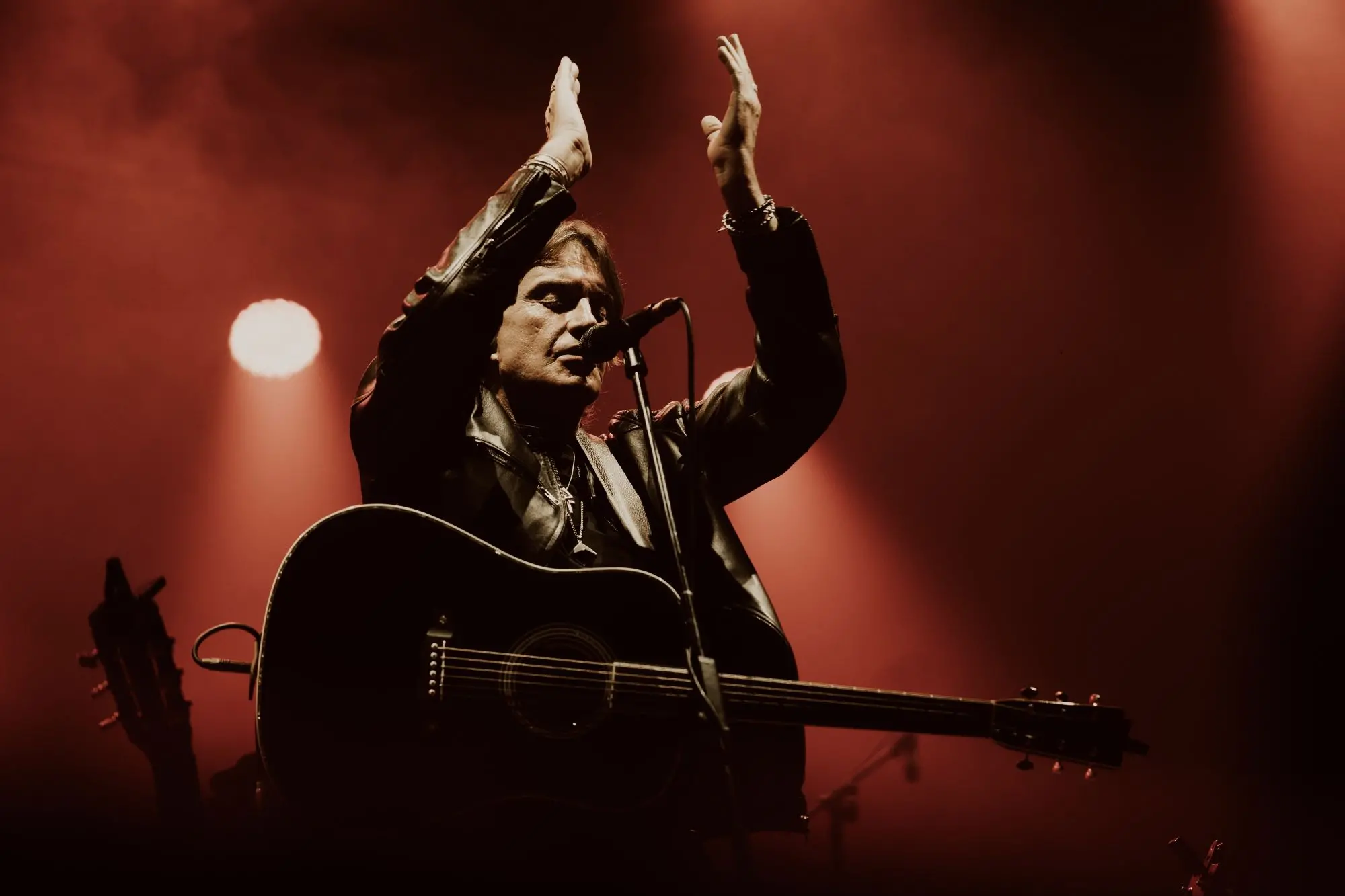
Per restare aggiornato entra nel nostro canale Whatsapp
He's now sold his Milan home, and for three years he's been living permanently in the land where his father found refuge and inspiration, Sardinia, "one of the best places to live." Cristiano De André answers from Portobello di Gallura on the eve of the two Sardinian dates—on the 26th at the Musica Arena in Cagliari as part of the Rock n' Beer and Music festival and the following day at the Teatro di Tharros in Cabras—of "De André canta De André Best Of Estate 2026," the tour showcasing the best of his father's monumental work. A journey through his most beloved songs, new arrangements, personal memories, and reflections on themes that, from war to power, continue to resonate with us.
Cristiano De André, is there still a new way to tell these masterpieces?
"I think so, this is truly a 'best of'. There are three new songs and several reinterpretations, although I had to make a choice because my dad's legacy is immense. It turned out to be an important concert, with 23-24 songs, but also anecdotes and stories from his life."
Fabrizio De André's work transcends time without losing its power. What themes do you think are still relevant today?
War, power, and the abuses of power. Dad, already during his last tour, felt defeated because he saw the violence in the world repeating itself and even increasing. He told me: "After so many years of music, it hasn't served any purpose." I think that's partly true. It has served to awaken many consciences, but now we need to put the values he sang about into practice and ensure they aren't just words.
Among the many songs you bring to the stage, is there one that continues to change meaning as time goes by?
"Sand Creek River." It tells the story of the extermination of Native Americans, but today I dedicate it to the Palestinians.
In this project she is not only the voice, but also a musician who switches from guitar to piano, from violin to bouzouki.
"I've adapted these songs to my taste, which is very close to world music. These influences make them feel a little more mine, in addition to the fact that I saw them being created and written firsthand."
There are many young people at your concerts. How do you explain this connection?
"I believe my father achieved such a profound and lofty level of writing that it became timeless. He was a great humanist and provided answers to existential questions that young people continue to ask themselves: they see him as a sort of foster father and embrace him for it."
Sardinia played a fundamental role in Fabrizio De André's life. What did it give you?
Liguria remains my first home, but Sardinia, just like it was for my dad, has been my second home since I was five years old, since 1968. It's a paradise that seems to encompass the best of so many landscapes around the world, from the Grand Canyon to the Maldives. When I return, perhaps after a concert, I feel rejuvenated.
Is there a song by Fabrizio that you feel is particularly Sardinian?
"Zirichiltaggia," inspired by the 1970s when he became passionate about farming among the cork and oak forests of the Agnata estate in Tempio Pausania. It immediately brings to mind those marvelous rocks, a natural spectacle, and I believe it perfectly captures a certain spirit of Sardinia.
In recent years, there's been a lot of talk about the revival of singer-songwriter music. Do you think Fabrizio De André's work can still be a point of reference for young singer-songwriters?
"Songwriting has unfortunately been somewhat neglected, with the level of the language having significantly declined. That's why I think my father's music still has so much to offer."
