Cool house without air conditioning? Eight tricks that can make a difference.
Ice in front of the fan, natural fiber sheets, and even unique plants: here are some suggestions.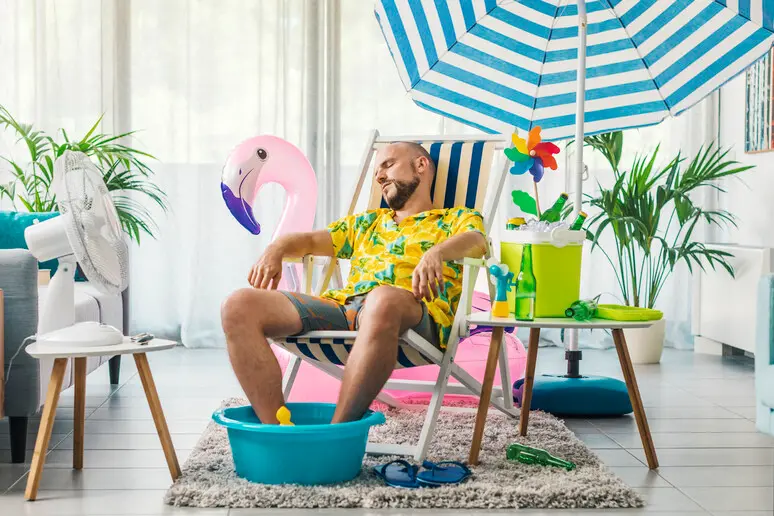
Per restare aggiornato entra nel nostro canale Whatsapp
When the thermometer rises above 35 degrees Celsius, keeping your home cool without air conditioning seems like an impossible mission. Yet, there are small tricks that can make a big difference. From managing light to choosing fabrics, here are eight simple and effective strategies for dealing with the summer heat.
Close shutters and curtains during the hottest hours
It may seem trivial, but it's the first step to preventing the sun from turning your home into a greenhouse. Between 11:00 a.m. and 5:00 p.m., it's advisable to keep blinds, shutters, or curtains closed in the most exposed rooms . Thermal or blackout curtains can significantly reduce the heat entering through windows.
Take advantage of night ventilation
Opening windows and balconies at night and early in the morning creates natural air currents that help dissipate heat accumulated during the day. Ideally, open windows on opposite sides of the house to promote cross-ventilation.
Choose natural fiber sheets
During the summer, the right fabric can make all the difference. Linen, cotton percale, and lightweight cotton promote breathability and keep you feeling fresher longer than synthetic fabrics. An investment that instantly improves sleep quality on the hottest nights.
Turn off invisible heat sources
Televisions, computers, battery chargers, game consoles, and small appliances produce heat even when we don't realize it. On hot days , it's a good idea to unplug unused appliances, use the washing machine and dishwasher in the evening, and limit oven use.
Use fans strategically
A fan doesn't cool the air, but it can significantly improve the feeling of well-being. To enhance the cooling effect, place a bowl of ice or frozen bottles in front of the fan. The air passing over the cold surface will feel more pleasant.
Replace older light bulbs
Traditional halogen or incandescent light bulbs produce much more heat than modern LEDs. Switching to LED lighting allows you to reduce energy consumption and limit the heat emitted.
Focus on the right plants
Plants don't drastically lower the temperature, but they do help create a more pleasant microclimate. Among the most suitable species are pothos, sansevieria, ferns, and areca palms. On balconies and terraces, however, climbing plants and shade plants can limit direct sunlight on the walls.
Rethinking the layout of spaces
In summer, it's a good idea to use the cooler rooms in the house. If possible, temporarily move your workstation, dine in less sun-exposed areas, and generally favor north-facing rooms during the midday hours.
The most effective trick? Act early.
The most common mistake is to intervene when the house is already warm. The real strategy is to prevent heat buildup from the early hours of the morning. With small daily measures, you can face even the hottest days while reducing energy consumption and waste.
(Unioneonline/D)