

Barbara Dalu, a stylist from Siniscola in Monte Carlo: «In my creations the memory of the island and the gestures of women»
The 42-year-old was invited to the world finals of "The Look of the Year" after the national event in Villasimius: when roots meet retro elegance and sartorial research.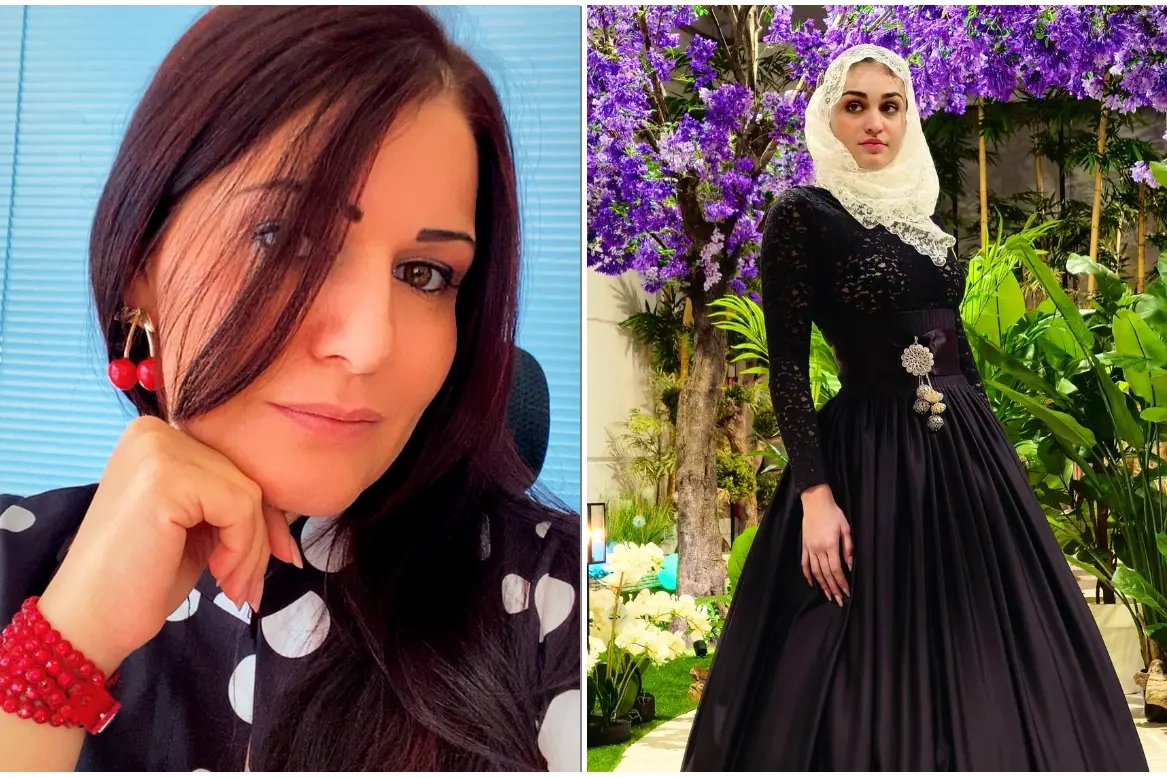
Per restare aggiornato entra nel nostro canale Whatsapp
From Sardinia to Monte Carlo, a suitcase packed with an enduring identity rooted in the island's traditions . For Barbara Dalu, 42, a designer originally from Siniscola, the invitation to the world finals of the prestigious "The Look of the Year" competition is an opportunity to showcase her precise vision of fashion: high-quality craftsmanship rooted in attention to detail. At the heart of her creations is the past, preserved in childhood memories and the gestures of the women in her family: embroidery, sewing, the patience of the loom, knowledge passed down from generation to generation. An intimate memory that becomes creative material and intertwines with Sardinia's most ancestral culture, retro influences, and contemporary inspirations. Because, in the designer's vision, tradition is not simply a decorative element, but a living heritage.
After the national selections hosted in Villasimius, Dalu's next appointment will be at a global showcase that for over forty years has sought to discover new faces and talents in fashion. Three other Sardinian artists will be present: Irene Piccinnu, Gianfranca Dettori, and Marinella Porru, in a program guided by Gerardo Di Maio, General Manager of "The Look of the Year International," and promoted by Luisa Cardinale to bring Sardinian creativity to international runways, drawing on the art of Maria Lai and the richness of our traditional materials. Founded in 1983, "The Look of the Year" has helped launch the careers of names such as Cindy Crawford, Gisele Bündchen, and Linda Evangelista. The 2026 global edition will take place in Monte Carlo on November 15th.
Barbara Dalu, what did you feel when you received the news?
It was a heartbreaking moment, one of those pieces of news that take your breath away and make you rewind the tape of an entire life. In that precise moment, I felt the sweet weight of all the sacrifices, the nights spent drawing, and the blind dedication to this work. But, above all, I felt immense gratitude: knowing that my work, born in the heart of my homeland, has resonated so strongly that it has reached a global stage like Monte Carlo is proof that true passion speaks a universal language.

What does this milestone represent in your journey?
I'd be hypocritical if I said this was a milestone. The truth is, the path to becoming an independent designer is extremely complex, and even though my studies were entirely focused on fashion, turning this passion into your sole source of income takes time and enormous sacrifice. Precisely for this reason, being invited to Monte Carlo is an important signal: it tells me that all the time and energy I dedicate to this stylistic research isn't wasted. It's a demonstration of respect that gives weight and dignity to my work, demonstrating that even as an independent designer, you can produce quality.
How would you like to present Sardinia to an international audience?
My Sardinia is profoundly intimate and vibrant: I was fortunate to grow up and breathe in a true ancestral family, led by women of great character who tended the hearth and by men who guarded its strength. From there, my respect for a proud, authoritative, and profound femininity is born. My personal history is intertwined with this universe: born in Belgium, I was infused from an early age with the retro, sophisticated, and bon ton charm of pin-ups and the old-fashioned elegance of Northern Europe. I want to bring precisely this poetic short circuit to Monte Carlo: the warmth, dignity, and matriarchal strength of Sardinia meet the chic lines and timeless grace of my Nordic background. I will portray a Sardinia that is not a cliché, but a land of character that knows how to dress itself in an international and retro refinement.
How can we reinterpret tradition without risking turning it into a mere decorative element?
For me, it never risks becoming a mere decorative embellishment, because it's my story, it's my life. When I create, I delve back into my childhood memories: those moments serve as my hook, drawing out profound emotions that guide me in the creative act. Every single detail, every fabric, every stitching or element I add comes from a genuine emotional connection, from something that first and foremost makes my heart beat. Whether this intimate experience of mine can then shine through in the garments and reach those who observe my fashion with the same intensity remains uncertain. But it's a beautiful uncertainty, one I live with by putting my whole self into what I do.
Is there an element you would like to enhance more through your work?
I long to rediscover the mystical dimension and inestimable value imbued in the daily gestures of our women. There was an almost sacred aura in carrying out domestic tasks: from the meticulous dedication of embroidery, achieved through impeccable and rhythmic stitches, to the patience of the loom and sewing, to the atavistic act of baking bread and rolling pasta by hand. These practices were not mere chores, but solemn moments of wisdom passed down from woman to girl. They were silent poems, wishes of prosperity, and small maieutic rites through which one learned to face the world with profound grace, composure, and innate elegance. It is this invisible heritage of dignity, restraint, and aesthetic devotion that I seek to instill and revive in my creations.

How does one of your collections come about?
I let the suggestion of memory guide my hands as I shape fabrics and define their volumes. I want a woman to feel more than just "dressed" when she wears one of my creations, but to experience an immediate sense of belonging and security, as if that dress were a chosen refuge, an extension of her soul, inextricably sewn onto her. It's an intimate and emotional gesture, where every fold and every finish becomes a tangible extension of a memory meant to celebrate the essence of the wearer.
In an increasingly speed-oriented fashion system, how important is it to reclaim the value of manual labor and time?
I actually believe the fashion landscape is undergoing an extraordinary and positive shift. We're finally returning to tailoring, eco-sustainability, and a culture based on respect, a love of handcrafted goods, and transparency. Unfortunately, behind big, high-dollar brands, there's often little attention to the true quality of the product and dramatic production processes. A tailored garment is authentic: it truly is what it claims to be. In this regard, through my collaboration with Legambiente on courses dedicated to the environmental impact of fast fashion and upcycling, I try to contribute to raising awareness. I know there's still a long way to go, but starting to educate people about ethical fashion is crucial. Haute couture offers durable, high-quality garments that never die: a tailored garment shouldn't be thrown away, but can be dismantled, transformed, and reused. It's about reclaiming time and respect, the only true luxury destined to last.