

Bakers, pasta makers, and pastry chefs wanted: Sardinia faces the challenge of generational change.
In the artisanal sector, 65% of experts are unavailable. Giacomo Meloni (president of Confartigianato Sardegna): "An invisible wall prevents supply and demand from meeting."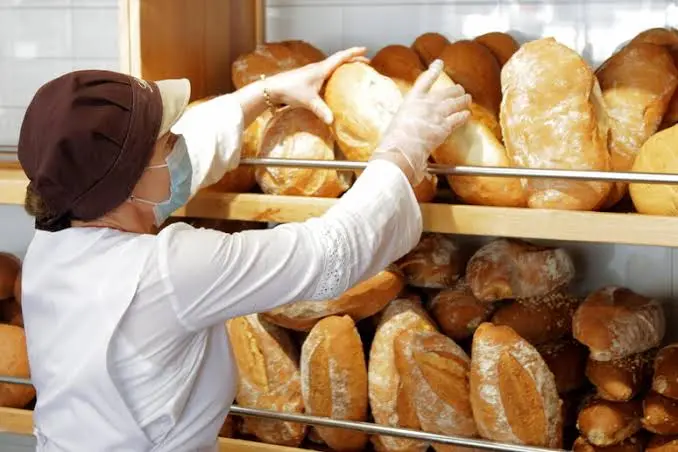
(Handle)
Per restare aggiornato entra nel nostro canale Whatsapp
The food sector in Sardinia is experiencing an unprecedented paradox: while consumption and employment are holding up, businesses are increasingly struggling to find qualified personnel. In the Sardinian artisanal food sector, 71.2% of bakers and pasta makers are unavailable, and 65% of pastry chefs, ice cream makers, and canners are unavailable. This is according to the latest analysis by the Confartigianato Sardegna Research Office, based on Unioncamere-ANPAL data: Sardinian food and beverage businesses expect to hire 3,780 new workers, but 1,370 of these (36.2%) are considered "difficult" to find.
"The data paints a bittersweet picture," comments Giacomo Meloni, president of Confartigianato Imprese Sardegna . "On the one hand, the Sardinian food sector is extremely dynamic and hungry for skills; on the other, an invisible barrier prevents supply and demand from meeting."
Although the overall data places Sardinia in 13th place in Italy for criticality (below the national average of 38.6%), the situation worsens when we analyze the beating heart of our economy: craftsmanship.
The real "red flag" concerns top-notch professions such as artisan bakers, pasta makers, pastry chefs, and ice cream makers : Sardinia, in the national ranking, ranks 8th for difficulty in finding positions, with a percentage of 65.1%, well above the national average of 56%. Specifically: for artisan bakers and pasta makers, out of 660 expected openings on the island, 71.2% are difficult to find (10th place in Italy), while for artisan pastry chefs, ice cream makers, and canners, difficulty affects 45% of searches (90 out of 200).
"Seeing that over 71% of Sardinian artisan bakers and pasta makers are unable to find suitable candidates," he adds, "is a wake-up call we cannot ignore. It's not just workers that are lacking, but the specific skills that make our typical product unique. We risk stifling the growth of 'Made in Sardinia' not for lack of orders, but for lack of manpower and talent ." "Our artisan businesses, which represent nearly 20% of the regional food sector, are ready to invest and hire, but they cannot be left alone in the challenge of generational turnover," Meloni emphasizes. "We need to financially incentivize the hiring of young apprentices and support the transfer of skills from masters to the next generation , before this wealth of knowledge is lost forever."
Nationally, the difficulty in finding workers for food businesses reaches 43.6% in Piedmont-Valle d'Aosta and 42.5% in Friuli-Venezia Giulia. In Sardinia, if we look specifically at artisanal businesses, the share of unavailable workers rises to 39.3% (460 out of 1,170 expected hires). These data highlight a worrying disconnect between the training system and the real needs of a market that, between 2021 and 2025, saw employment in the food sector grow at a dizzying rate (+25.2% in the EU over the long term).
"We must dispel the myth that food artisan professions are second-rate or dusty jobs, and that's why we're introducing them into schools," concludes the president of Confartigianato Sardegna. "On the contrary, today 'Artisan Intelligence' blends age-old tradition and cutting-edge technology. If 65% of specialized artisans on the island are unavailable, it means there's enormous room for our young people." Confartigianato Sardegna emphasizes the need for a pact on professional training: modern workshops and orientation programs are needed to explain to families how rewarding and rewarding, even socially, becoming a master pastry chef or pasta maker can be in 2025.
(Unioneonline)