A jewel in the center of Cagliari: the church of San Michele
Its construction began in the second half of the 17th century and the church was consecrated in 1738.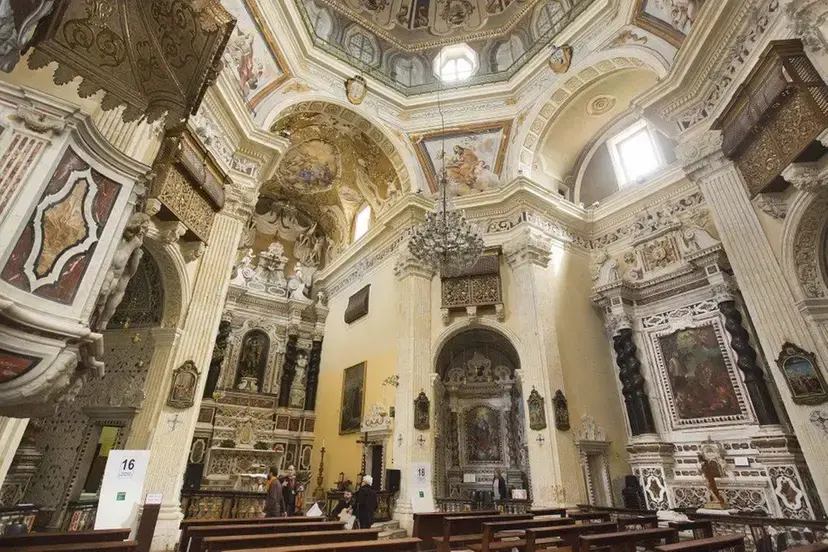
The Church of San Michele (photo L'Unione Sarda)
Per restare aggiornato entra nel nostro canale Whatsapp
The Church of San Michele, located in the Stampace neighborhood, immediately catches the eye of anyone who decides to walk along Via Azuni from Piazza Yenne. Construction began in the second half of the 17th century, and the church was consecrated in 1738. In times past, it was said, without any actual evidence, that the large statue of San Michele, located on the façade, was carved from a single block of marble found by a farmer while plowing his field.
As soon as you enter the gate, you come across the pulpit of Charles V, leaning against a wall in the atrium. Originally from the now-defunct church of San Francesco in Stampace, its inscription commemorates the emperor's passage through Cagliari on his way to Tunisia in 1535. According to tradition, he attended mass there during his stay in the city.
Once through the entrance, we find ourselves faced with an interior richly decorated and painted. Walking through its chapels is like strolling through a museum. In the ante-sacristy, we find statues depicting the Mysteries of Christ's Passion, carried in procession during the Holy Week rites, attributed to the sculptor Giuseppe Antonio Lonis. But the true gem is the sacristy. Rectangular in shape and in the Rococo style, it is filled with frescoes and paintings. Those who called it a "sanctuary of the arts" were right. And indeed, seeing the ceiling decorated with the fresco "Triumph of the Name of Jesus" by Altomonte and the enormous canvases on the walls, it's impossible to find any other definition. This is home to what appears to be the largest sacred painting in the city: The Massacre of the Innocents, by Domenico Colombino and Giacomo Altomonte.
For the existence of this jewel, we must thank the benefactor Francesco Angelo Dessì, a lawyer and politician, who donated large sums of money to the community. He also financed other important public works, and it's no surprise that his remains are now preserved in the small marble mausoleum inside the church, to the side of the altar.