

2026 Utility Bill Decree: Sardinian businesses facing tax breaks and island status: "Energy costs too much."
You save up to 20% but the Island pays the highest price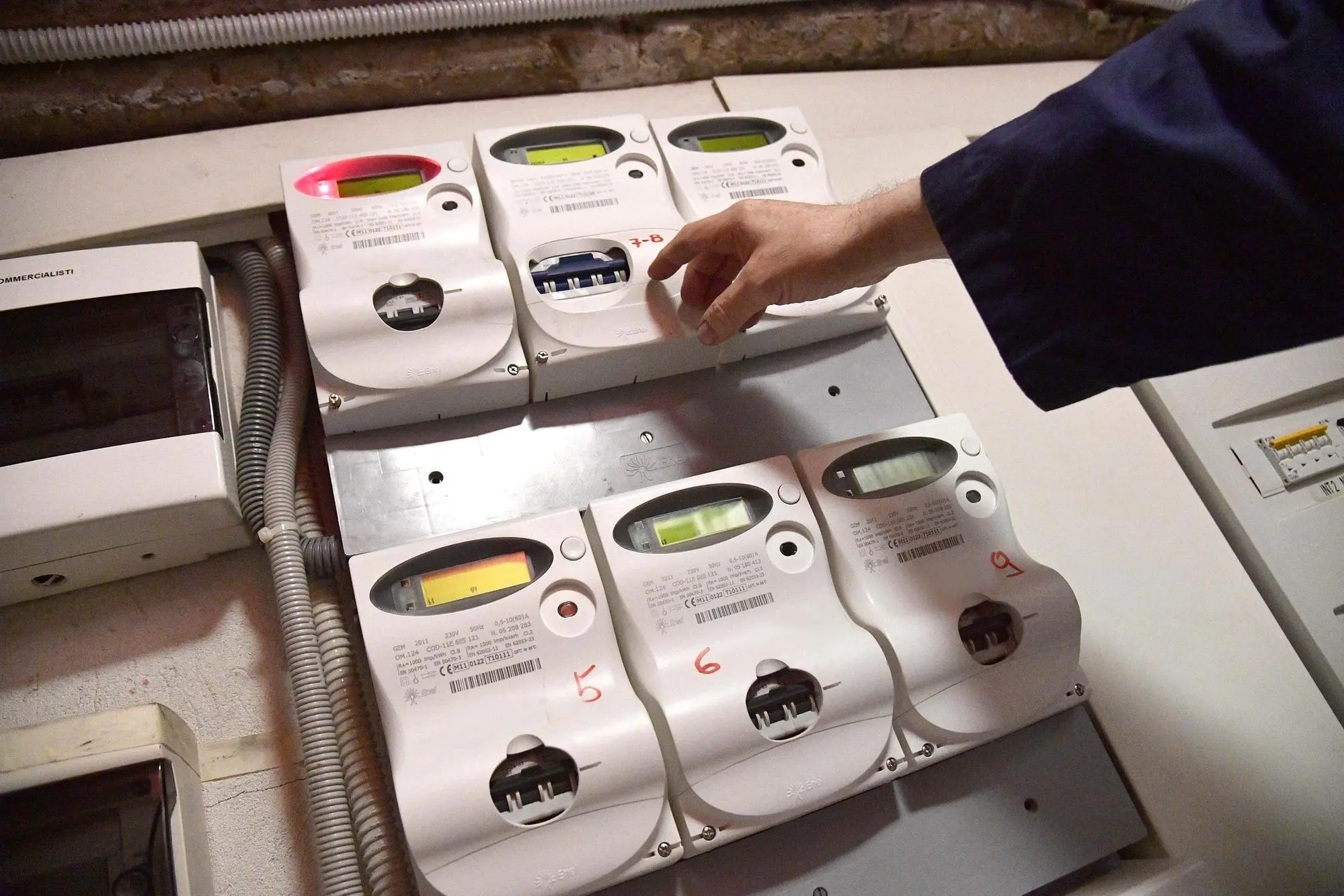
Per restare aggiornato entra nel nostro canale Whatsapp
Lower utility bills for businesses , but with one obstacle that continues to make a difference in Sardinia: its insularity . This is the message that emerged from the conference " Governing Change: A Guide to the 2026 Utility Bill Decree ," organized by Confcommercio Sud Sardegna at its headquarters on Via Santa Gilla in Cagliari. The conference explored the measures envisaged by the decree and their impact on the local economy.
Making the issue even more urgent is a significant fact : at the end of 2025 , electricity prices were still 30 percent higher than in 2019. This increase continues to impact the competitiveness of businesses and the economic viability of numerous production sectors . The Bills Decree aims to address precisely this front, with measures that could lead to a reduction in energy costs of between 16 and 20 percent.
"Let's call it a measure that alleviates the suffering of Sardinian businesses," said Marco Mainas, president of Confcommercio Sud Sardegna, "but let's not forget that precisely because of the island's insularity, energy costs in Sardinia continue to be much higher than in other Italian regions. For this reason, the benefits envisaged by the decree risk being undermined by a structural condition our businesses have been suffering for years."
According to Mainas, energy costs currently represent one of the main critical issues for the regional economic system . "We're talking about one of the most significant expenditure items for businesses in commerce, tourism, crafts, and agriculture. For those who live and work on an island, this burden is even greater. Reducing energy costs means increasing companies' competitiveness, supporting employment, and creating favorable conditions for investment."
The president of Confcommercio Sud Sardegna also emphasized that the most significant effects of the measures envisaged by the Bollette Decree will not be immediate. "The most significant impacts will be seen in the medium and long term, with effects becoming more evident starting in 2028. However, businesses and families will begin to see the first benefits as early as the second half of 2026." Mainas finally emphasized the need for a shared strategy to address an issue that affects the entire regional economic system . "We welcome the call for unity and collaboration among all trade associations. It is essential to converge ideas, proposals, and experiences to bring a shared vision and concrete solutions for the island's energy future to the regional and national governments. On the issue of energy, Sardinia must present itself as a united front, because a significant part of the competitiveness of our businesses depends on the ability to reduce this gap."
Speakers at the conference included Marco Mainas, president of Confcommercio Sud Sardegna; Giuseppe Scura, director of Confcommercio Sud Sardegna; Elisa Stellato, energy policy representative for Confcommercio Nazionale; Emanuele Cani, Councilor for Industry for the Sardinia Region; Maurizio De Pascale, president of the Cagliari-Oristano Chamber of Commerce; Matteo Meloni, journalist and geopolitical analyst and editor-in-chief of SpecialEurasia; and Giuliano Frau, regional president of Adoc.
(Unioneonline)
