












LEGGI IL QUOTIDIANO
LEGGI IL QUOTIDIANOOggi 13 novembre
L'Unione Sarda.it
Abbonati
ITA|ENG|DEU|RUS|CIN
videolina Linkradiolina linkSardegna 1 linkVai online linkPBM link
Temi caldi di oggi:
Stadio CagliariAllarmi bombaTentato omicidioSos Sardegna
Leggi il quotidiano
L'Unione Sarda.it
Abbonati
L'Unione Sarda

Iniziative Editoriali

  • Biblioteca dell'identità

Account

  • Gestisci il tuo abbonamento
  • Sfoglia il quotidiano
ABBONATI A L’UNIONE SARDA

SCARICA L'APP L'UNIONE DIGITAL

Download GoogleDownload apple
videolina Linkradiolina linkVai online linkPBM link

2021 L'Unione Sarda S.p.A. Tutti i diritti riservati. É vietata la riproduzione, anche parziale e con qualsiasi mezzo, di tutti i materiali del sito. | Indirizzo della Sede Legale: Piazzetta L'Unione Sarda nr. 24 | Capitale sociale 11.400.000,00 i.v. | Codice Fiscale ed iscrizione presso l'Ufficio Registro Imprese di Cagliari 01687830925 (P.I. 02544190925) | REA: CA-136248

Cookie e Privacy PolicyModifica impostazioni privacyInformativa commentiCorporate
L'Unione Sarda

News

  • Cronaca Sardegna
  • Economia
  • Salute
  • Cultura
  • Sport
  • Gossip
  • Turismo

Servizi

  • Necrologi
  • Annunci
  • Pubblicità

Bella Sardegna

  • Spiagge

Iniziative Editoriali

  • Biblioteca dell'identità

Account

  • Gestisci il tuo abbonamento
  • Sfoglia il quotidiano
ABBONATI A L’UNIONE SARDA

SCARICA L'APP L'UNIONE DIGITAL

Download GoogleDownload apple
videolina Linkradiolina linkVai online linkPBM link

2021 L'Unione Sarda S.p.A. Tutti i diritti riservati. É vietata la riproduzione, anche parziale e con qualsiasi mezzo, di tutti i materiali del sito. | Indirizzo della Sede Legale: Piazzetta L'Unione Sarda nr. 24 | Capitale sociale 11.400.000,00 i.v. | Codice Fiscale ed iscrizione presso l'Ufficio Registro Imprese di Cagliari 01687830925 (P.I. 02544190925) | REA: CA-136248

Cookie e Privacy PolicyModifica impostazioni privacyInformativa commentiCorporate
Home
To know more

"Clandestine diplomacy", the European journey of Lussu as ambassador of anti-fascism

The years of clandestine wandering from Paris to Malta and up to Portugal

Roberto Roveda
6 febbraio 2022 alle 07:56Aggiornato il 6 febbraio 2022 alle 10:20
"Clandestine diplomacy", the European journey of Lussu as ambassador of anti-fascism
Emilio Lussu (archivio L'Unione Sarda)
Resta informato su WhatsApp
FacebookXLinkedInWhatsApp
Argomenti similiSLOT_12
  • Sull’attenti, Pete
    Caffè Scorretto

    Sull’attenti, Pete

    Celestino Tabasso

Articoli correlati

X Factor: Mad-Dog's Italian debut was a success, now it's time for a new song.
the talent

X Factor: Mad-Dog's Italian debut was a success, now it's time for a new song.

The four Moors of Sassari reach their most anticipated milestone. First the joust, then the challenge with Gianni Morandi (and Paola Iezzi's Sardinian idea).
Angelica D'Errico
Nations League: Italy beats France 3-1
soccer

Nations League: Italy beats France 3-1

The Azzurri conceded a goal from Olise, but Pio Esposito (a brace) and Frattesi turned the match around. Former Cagliari player Sebastiano Esposito missed a penalty.
"Bombs at School": New emails to 3,778 schools, only 77 evacuated.
the alarm

"Bombs at School": New emails to 3,778 schools, only 77 evacuated.

Palazzo Chigi: "The instructions to prefects and principals have worked. We're working to prevent unfounded threats from blocking essential services."
Wind power: The Constitutional Court confirms the state's role in determining suitable areas. But it bans "unauthorized" installations in UNESCO sites.
The sentence

Wind power: The Constitutional Court confirms the state's role in determining suitable areas. But it bans "unauthorized" installations in UNESCO sites.

The Constitutional Court: "Strategic interest in renewable energy cannot always prevail over landscape protection." The case of Su Nuraxi and the Domus de Janas
Diver dies in buoy field: investigation into employer. Rope mystery
Santa Teresa Gallura

Diver dies in buoy field: investigation into employer. Rope mystery

Investigations are ongoing following the death of Sassari native Fabio Farina. The Prosecutor's Office has opened a manslaughter investigation.
Andrea Busia
Microsoft down worldwide: Outlook unreachable, issue being resolved
technology

Microsoft down worldwide: Outlook unreachable, issue being resolved

"Part of the infrastructure is experiencing heavy load in several regions," the company said on its social media profiles.
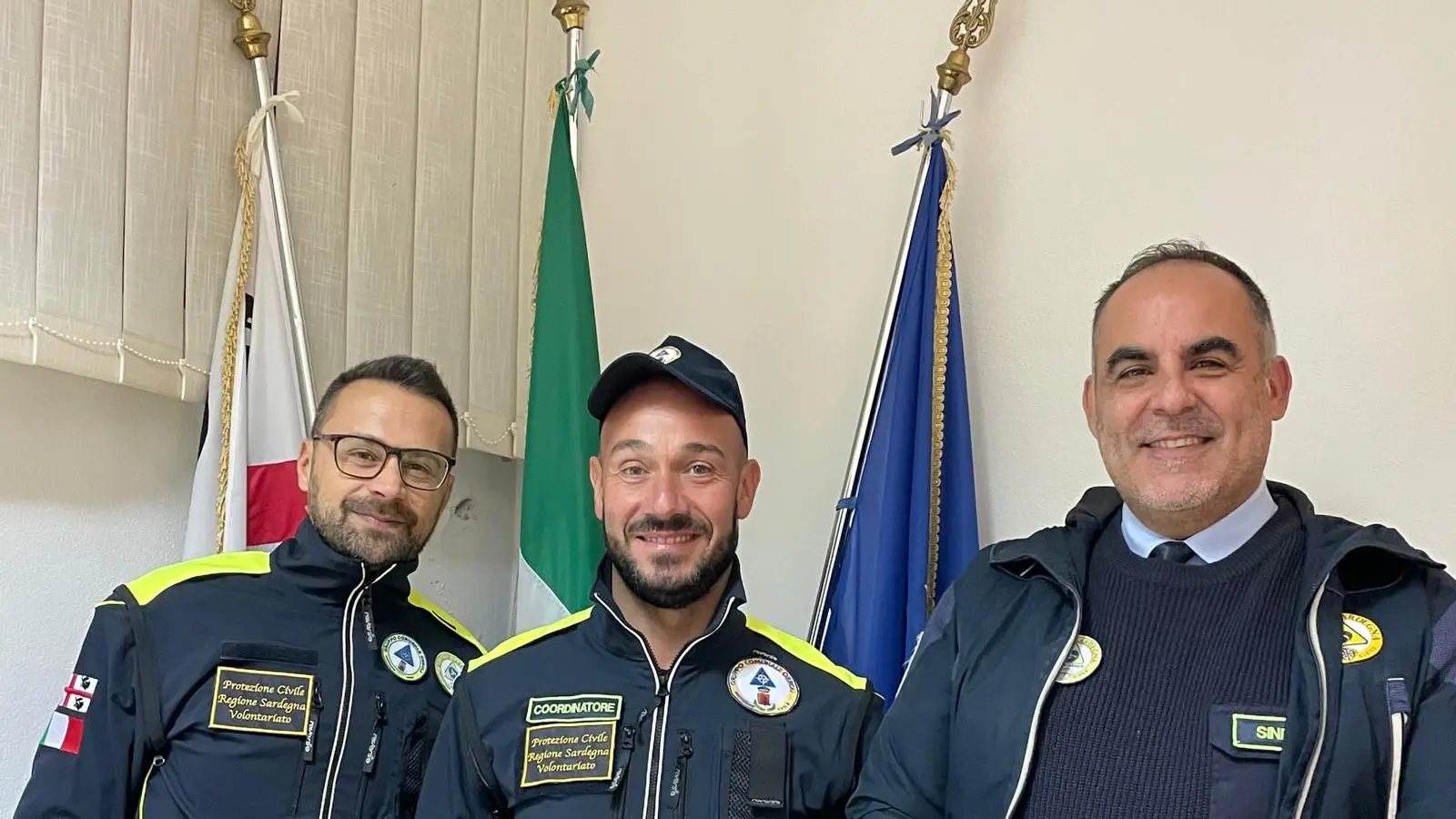
Orroli, the Municipality praises the Civil Protection Department
the ceremony

Orroli, the Municipality praises the Civil Protection Department

Rewarded for efforts to address weather emergencies and fires across the region
Sonia Gioia
Serie D: Striker Nino Pinna Returns to Cos
Soccer

Serie D: Striker Nino Pinna Returns to Cos

Mutual termination of contracts with Cabiddu and Rossi
Antonio Serreli
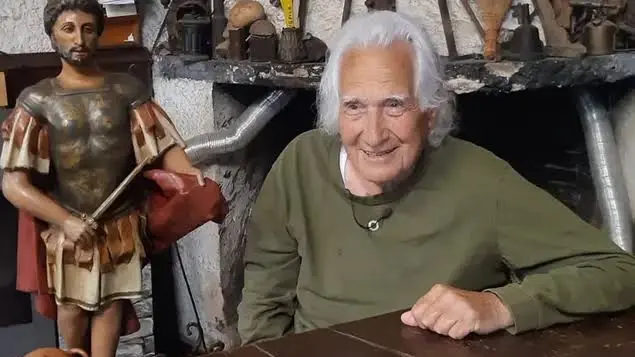
Alghero pays tribute to Elio Pulli
the appointment

Alghero pays tribute to Elio Pulli

Ninety-two years of art and craftsmanship to be passed on to new generations, an event to remember it at Casa Gioiosa

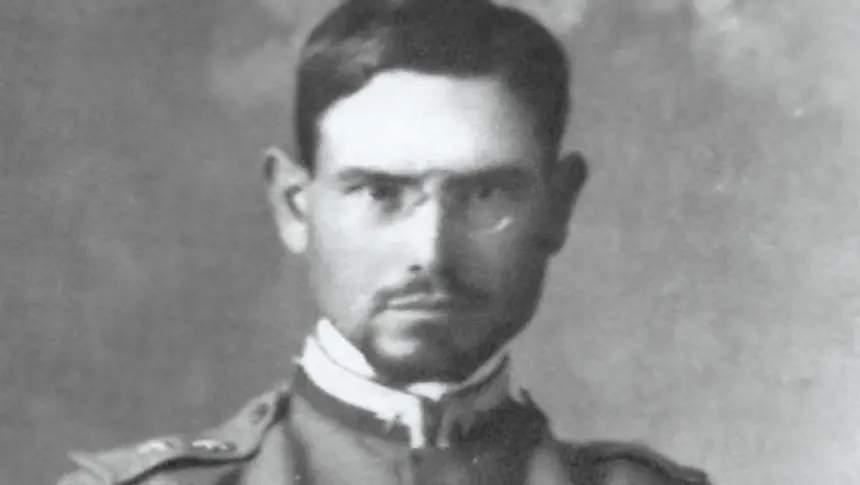
Fascism was a totalitarian regime also in its capillary capacity to control, disarticulate and neutralize any opposition force. Thousands of Italians thus experienced prison, confinement or exile during the twenty years in order to escape Mussolini's thugs. Emilio Lussu was one of these countrymen of ours. An anti-fascist of the first hour, he was sent to confinement as early as the 1920s and from his confinement on the island of Lipari he managed to escape in a daring way, taking refuge in France. Here, together with Carlo Rosselli he founded one of the most important militant anti-fascist groups: “Giustizia e Libertà”.

Lussu became the leader of this organization after June 1937 when Carlo Rosselli was killed in Normandy by assassins hired by the fascist government of Rome. And in this capacity he worked to create solid relations between Italian anti-fascism and the European powers that opposed the Mussolini regime: France and Great Britain, first of all. This delicate and complex diplomatic work intensified, of course, starting in June 1940 when Italy entered the Second World War. And it is from this date that the story contained in "Clandestine Diplomacy" (thedotcompany edizioni, 2021, pp. 76) begins, a sort of diary written in the first person by Lussu to retrace his missions around Europe in the guise of of a true ambassador of Italian anti-fascism.

Introduced in this new version by a long introduction by Valdo Spini and written with the characteristic brilliant style, the book allows the great Sardinian politician to show us how, from the first days of the war, there was a concrete action aimed at demonstrating - before of everything to the Western powers engaged in the conflict against Mussolini - that there were Italians ready to do their part.

Lussu, together with his wife Joyce Salvadori, spent the years between 1940 and 1943 engaged in a dangerous clandestine wandering that took him from Paris to Malta and then to neutral Portugal. From here he was able to reach London, New York and then London again.

The problem that beset Lussu and that pushed him to these frenetic movements was how Italy could have presented itself at the appointment of the victory of the Allies - because from the first days of the war, Lussu was always convinced of the defeat of Nazi-fascism - and how political anti-fascism could have saved the country from the fate of the defeated enemy. The key point, of course, was to show that a decisive contribution could be made to the struggle.

Lussu proposed to ask for British help to provoke an insurrection and an anti-fascist guerrilla war in Sardinia. Strengthened by his prestige as a fighter in the Sassari Brigade in the Great War, he was sure of being able to count on the support of his ancient comrades and vast sections of the population.

The story of Lussu's meetings in London to organize the mission in Sardinia is fascinating, worthy of the most classic spy film. In the end, it seemed that everything was going to be for the best and that the British were willing to support the venture, making money and equipment available. Lussu, however, realized that the London government regarded the operation as Her Majesty's sack meal. He asked for guarantees that the contribution made by the Italians to the war would be recognized after the war. When he saw that the British authorities were niche, he abandoned the game. He gave up the funds he had already obtained to organize the operations in Sardinia and also decided to pay the expenses of the pension in which he had lived during his stay in London, so as to fully demonstrate his independence and that of the best Italians.

The failure of the Sardinia operation did not discourage Lussu who resumed his travels in Europe, weaving relationships and favoring the alliance between Justice and Freedom and the anti-fascist formations of communist and socialist inspiration. Then came the 8th of September and the insurrection that Lussu was planning for his Sardinia progressively took place in northern Italy. Precisely this phase of the anti-fascist and Nazi struggle proved the claims made in clandestine diplomacy right: only with a personal commitment to war could Italians redeem themselves and sit at the peace table having some cards to play in their hands. Men like Lussu and the Armed Resistance provided those papers.

"Clandestine diplomacy", the European journey of Lussu as ambassador of anti-fascism
La copertina

© Riproduzione riservata