

Since Giorgia Meloni won the elections and became prime minister , the first woman in Italian history, there has been no risk of confusion and mistake for the staff of Palazzo Chigi. In the notes released by the presidency of the Council of Ministers, the president remained the president : this is how the new head of government decided.
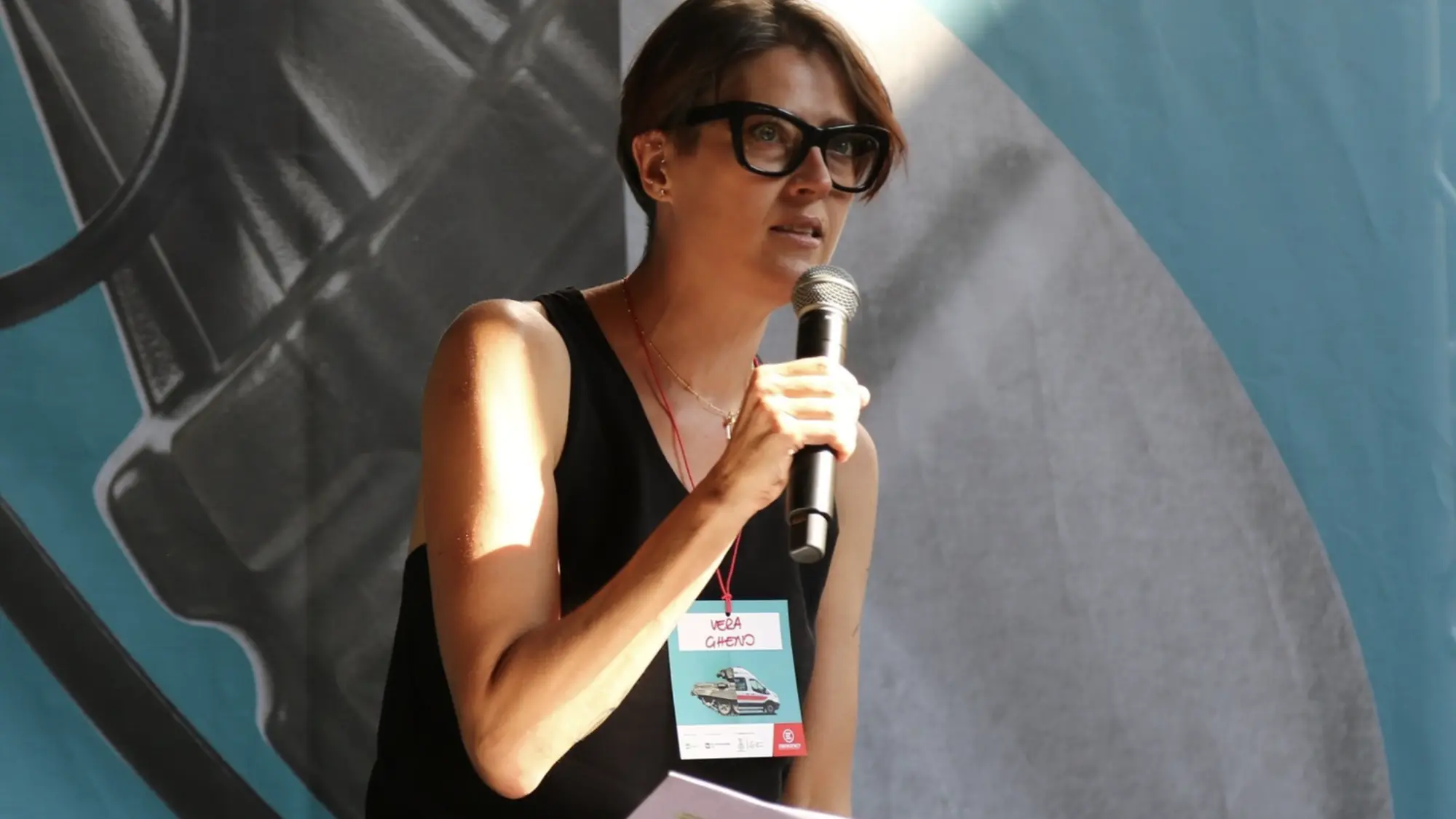
Opting for the masculine, in the face of the more natural feminine , is a "marked" choice that "does not surprise me at all, on the contrary", comments Vera Gheno , sociolinguist (or social-linguist , as she likes to define herself as an acute observer of the world of network) and author of several essays including “Feminili singolari. Feminism is in the words ”(Effequ, 2019),“ The reasons for the doubt. The art of using words ”(Einaudi, 2021) and“ Call me that. Normality, diversity and all the words in between ”(Il Margine, 2022).
Women begin to conquer, one step at a time, increasingly important positions, but the life of professional women, even if they limit themselves to photographing reality, who knows why it remains troubled . There are those - not only men but also many women - make easy irony, those who define them as distortions of the Italian language, those who think they lack authority. As if the feminine demeaned the important role that it has painstakingly conquered.
And then there are those who consider them simply useless , superfluous compared to many other more "important" issues. But this is not the case: "What is not named tends to be less visible in the eyes of people", explains Gheno: "Calling women who do a certain job with a feminine noun is not a simple whim but the recognition of their existence" .