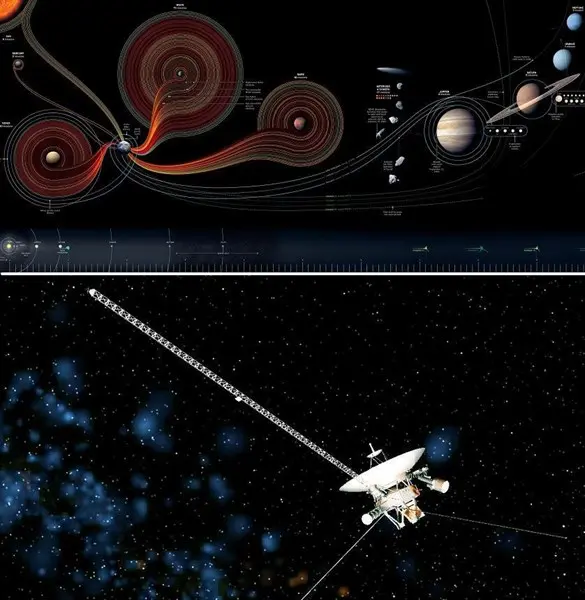


One light day in 49 years . That is, almost half a century to reach a milestone that sunlight, reaching a speed of 300,000 kilometers per second, crosses after just 24 hours . Using human measurements, we're talking about approximately 26 billion kilometers .
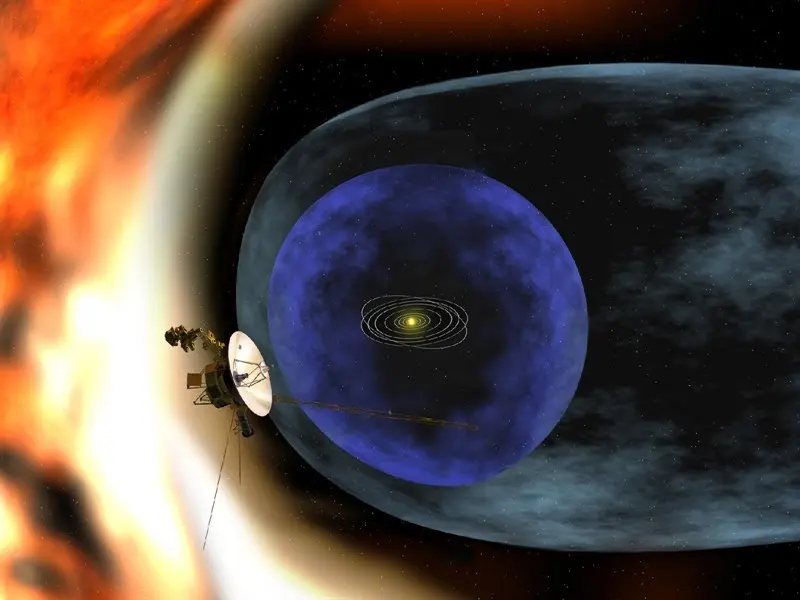
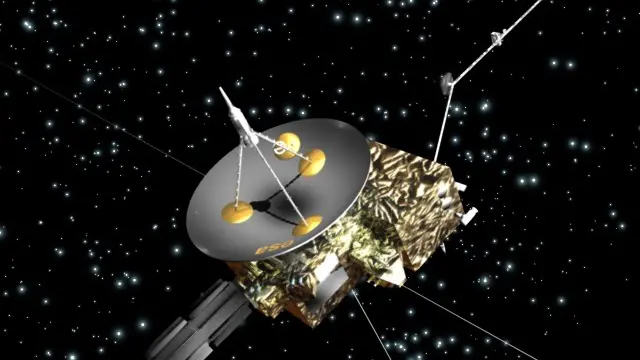
The sensational journey of the Voyager 1 probe , launched by NASA in 1977 and now in interstellar space, well beyond the confines of the solar system and incredibly far beyond its initial objective (flying past Jupiter and Saturn), has been thrilling astronomers, astrophysicists, and all other enthusiasts since Wednesday, November 18, 2026. That is, since the probe sent a new message to Earth, revealing its position despite the sidereal distance and the long time (24 hours) it takes for waves to reach our planet from that remote place in the middle of the cosmos.
A success
A huge feat of human ingenuity, capable of conceiving, designing, and completing an undertaking few believed in : surpassing the eight planets of our small solar condominium (at the time there were nine, then Pluto was downgraded) and wandering aimlessly through infinity in the hope that someone , some alien intelligence superior to ours , might intercept that now almost antediluvian "machine," study it, decrypt it, and discover that, in the outer part of the galaxy called the Milky Way, there exists a civilization advanced enough to send a metallic object into space as a scout . And thus, perhaps, persuade it to pass through here.