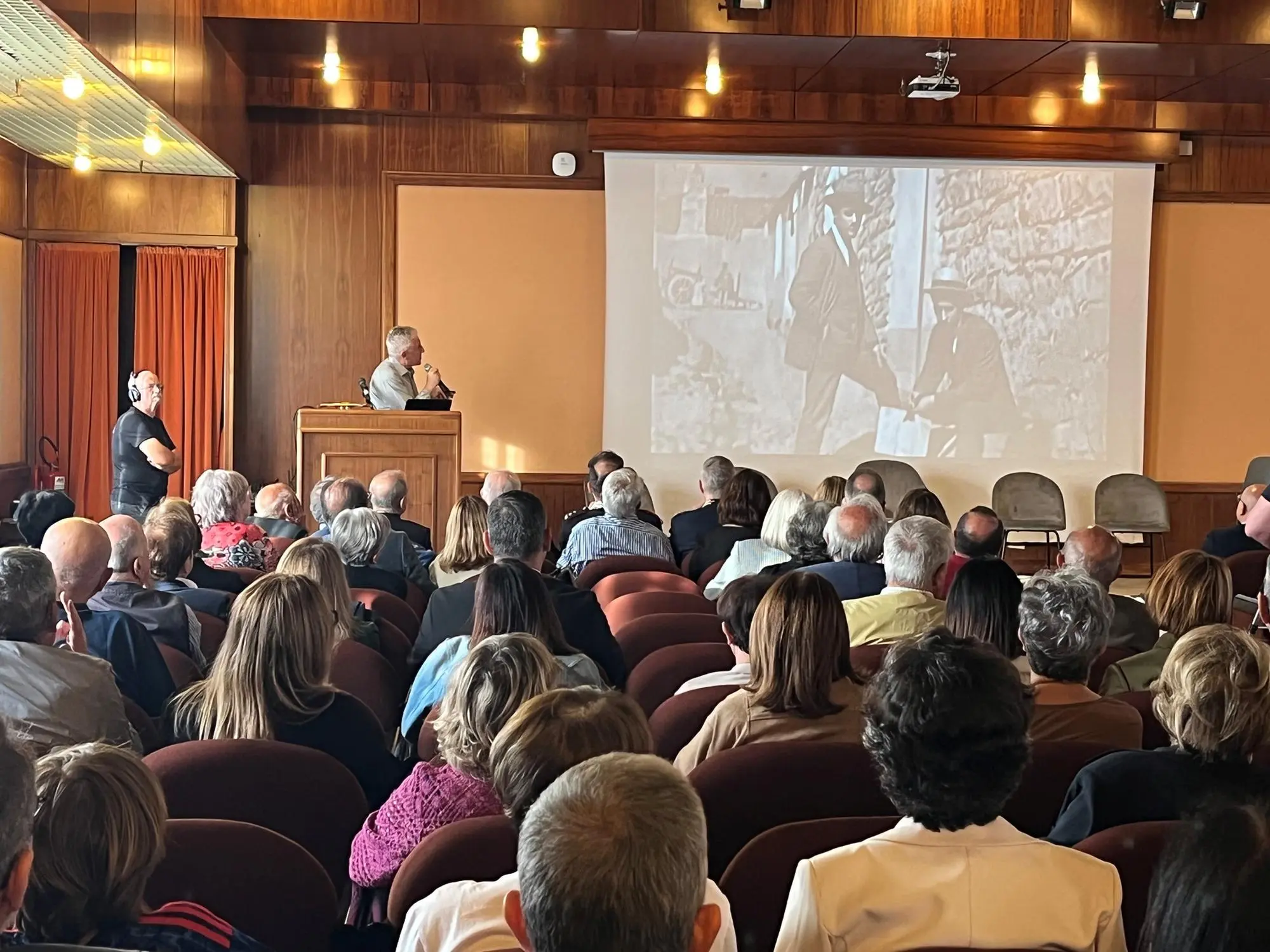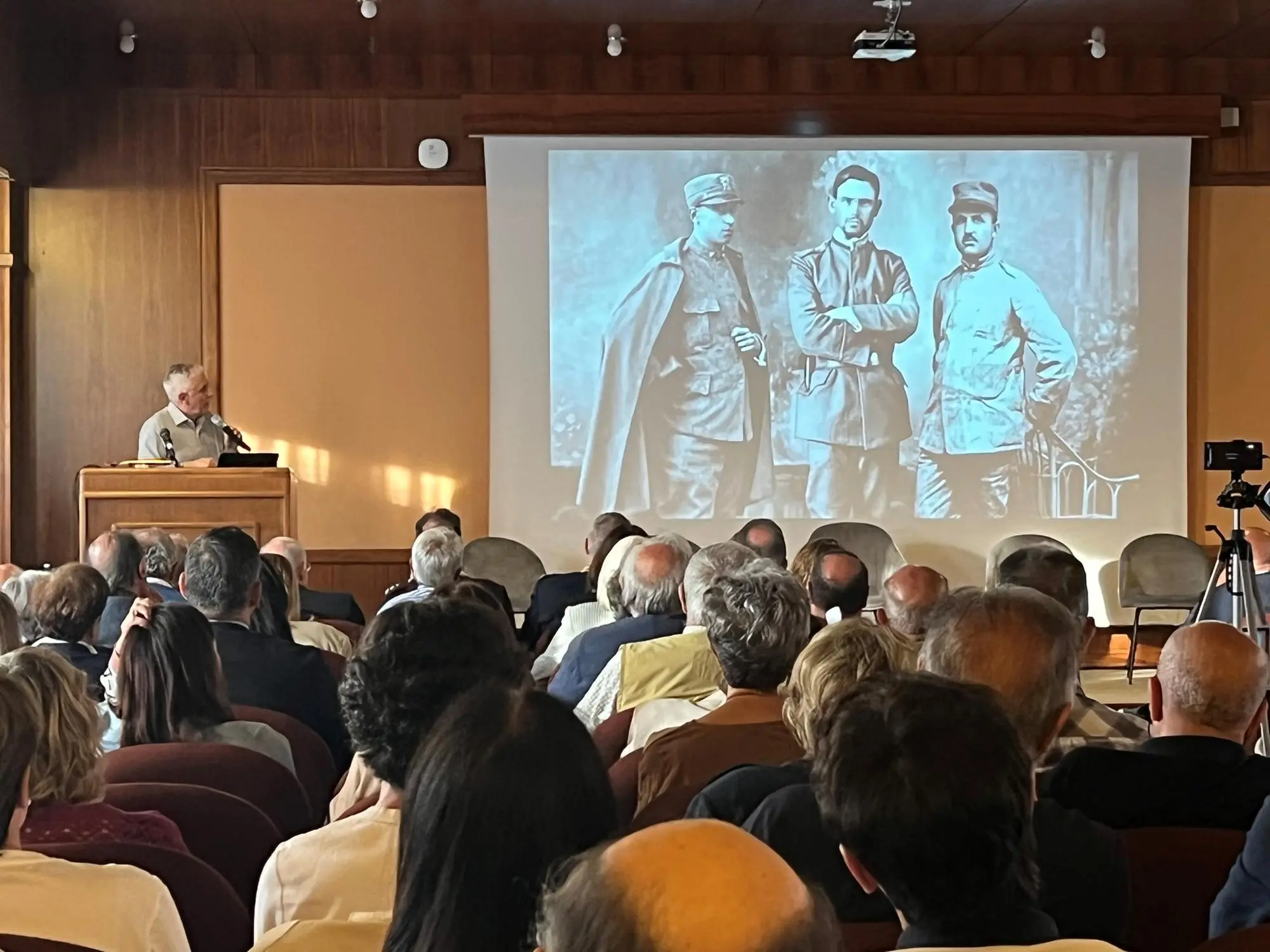


Extensive research, with the rigor required by a historical approach, and regionally widespread teaching methods are aimed at introducing young Sardinians to the island's great figures. Istasac, the Institute for the History of Anti-Fascism and the Contemporary Age in Central Sardinia, is a well-established institution, deeply rooted in Nuoro, where it was founded in 2011. Today, under the presidency of Marina Moncelsi and the direction of Giuseppe Puligheddu, it offers a wide range of educational programs for Sardinian schools of all levels, as reported in a circular from the Regional School Office for the 2026-27 school year. Istasac provides students and teachers with extensive free teaching materials, as well as offering meetings and direct discussions in class.
To mark the centenary of the Nobel Prize, a book edited by Dino Manca, former president of Istasac and member of its scientific committee, is dedicated to the life and work of Grazia Deledda. It can be downloaded directly from the Institute's website. Teaching materials and other materials help introduce key figures in Sardinia's political and civic history, such as Giorgio Asproni, the Bitti-born MP and key figure in the Risorgimento, whose death marks the 150th anniversary this year. Teachers can draw on the Institute's extensive work to offer their students in-depth study. The book also features Sardinian founding fathers and their contributions to the construction of the Italian Republic: from Emilio Lussu to Salvatore Mannironi, from Francesco Murgia to Pietro Mastino, from Gesumino Mastino to Lina Merlin, who was not Sardinian but was confined to the island. And then there are studies and documents on Sardinian partisans, military internees born on the island, and firsthand accounts from veterans of Nazi concentration and extermination camps. There's also material dedicated to Sa die de sa Sardigna and important figures such as Mariangela Maccioni, an anti-fascist intellectual from Nuoro. Not to mention Luigi Oggiano and Gonario Pinna, who worked on the first drafts of the Sardinian statute. To mark the 80th anniversary of the Republic, Istasac is presenting a documentary film dedicated to Mannironi, edited by Puligheddu, who is now publishing the book with Ilisso. The Institute also promotes the work of young graduates, as is the case with Rossana Pala's thesis (titled "Crime and Punishment in Barbagia between the 19th and 20th Centuries. Profiles of Female Criminality"), which will be presented at the Satta Library in Nuoro on November 26.