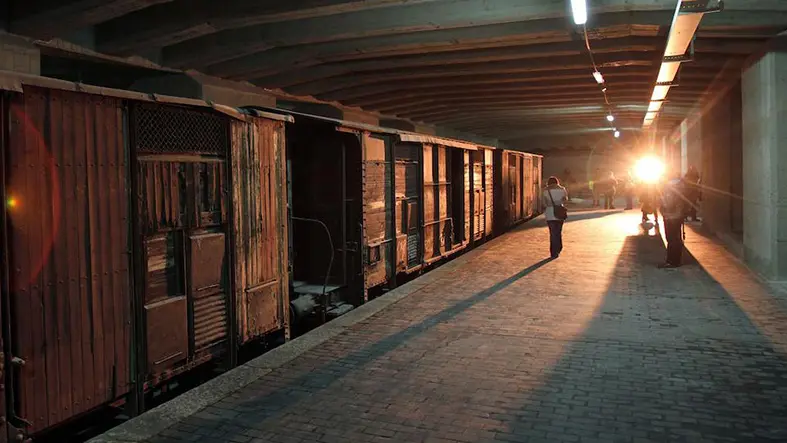


Only in recent years, historical studies on the anti-Semitic persecutions of fascism and on the Shoah in Italy have been able to begin to go into depth on the issue of the economic consequences of anti-Semitic regulations on the assets of entire families , or on the question of the seizures of entire activities or assets. of any value during the years of the genocide .
In particular, the recent publication of the excellent study by Ilaria Pavan focused on the history of the EGELI: the real estate management and liquidation body that first dealt with, in the so-called phase of the "persecution of the rights" of Jews, their activities or companies , and later, from 1943 to late 1945, in the phase of "persecution of lives", of any good of these people, destined for death for the "mere fault of being born", using an expression of the survivor of Auschwitz and life senator Liliana Segre .
This body was created in application of the RDL of February 9, 1939 n. 126, which concerned "the limits of real estate property and industrial and commercial activity for Italian citizens of Jewish race". And in paragraph 12, this law provided for the creation of a special body to deal with the management and liquidation of assets expropriated from Jews .
The real estate management and liquidation body was dissolved in 1957 , but ceased to exist almost sixty years after its establishment, following the issuance of the Ministerial Decree of 29 December 1997.
Recently, the historical archive of Intesa San Paolo acquired the entire EGELI archive owned by Cariplo , and proceeded, as part of an important project entitled "Restored Stories", to rearrange this heritage of over 2000 files relating precisely to the activity of the institution in the Lombardy region, creating an important historical exhibition from this historiographical heritage and making the nominative inventory of the archive available online to scholars.