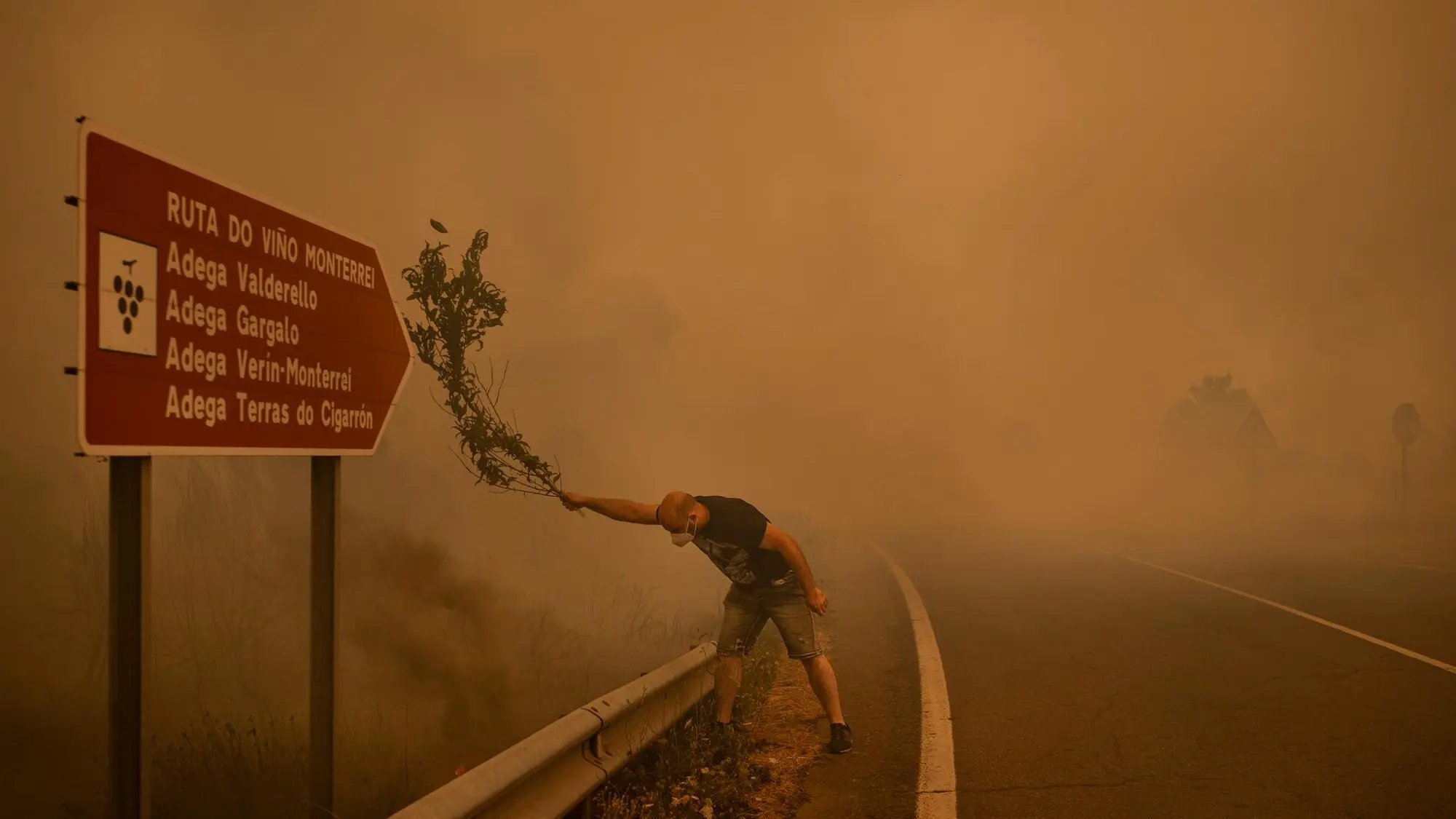


For nearly a century, we were able to forget about war, or at least consider it something that concerned us more on an ethical level than a practical one. For nearly a century, we believed that dictatorships were a warning from schoolbooks or ghosts confined to distant worlds. And yet today we are here, in a world that is burning and once again dominated by imperial logic.
For some time now, history seems to have decided to rewind the tape and bring back scenarios we thought we'd forgotten forever. On our computer and TV screens, we see images of war every day and hear words inciting hatred and racial violence, spoken with a nonchalance and shamelessness worthy of outrage, yet met almost with indifference, as if it were the nature of things. How natural, in the political sphere, is the return of autocracies, of imperial and imperialist logics based on oppression as a concrete practice of power. This is what we are witnessing, and what we can only deny by imposing ostrich practice on ourselves. Keeping our heads in the sand so as not to see how the idea of a world governed by a few very powerful actors, who collude among themselves to wield power and decide the fate of everyone else, is increasingly gaining popularity. In short, a few powers, led by an autocrat, who divide the globe into spheres of influence.
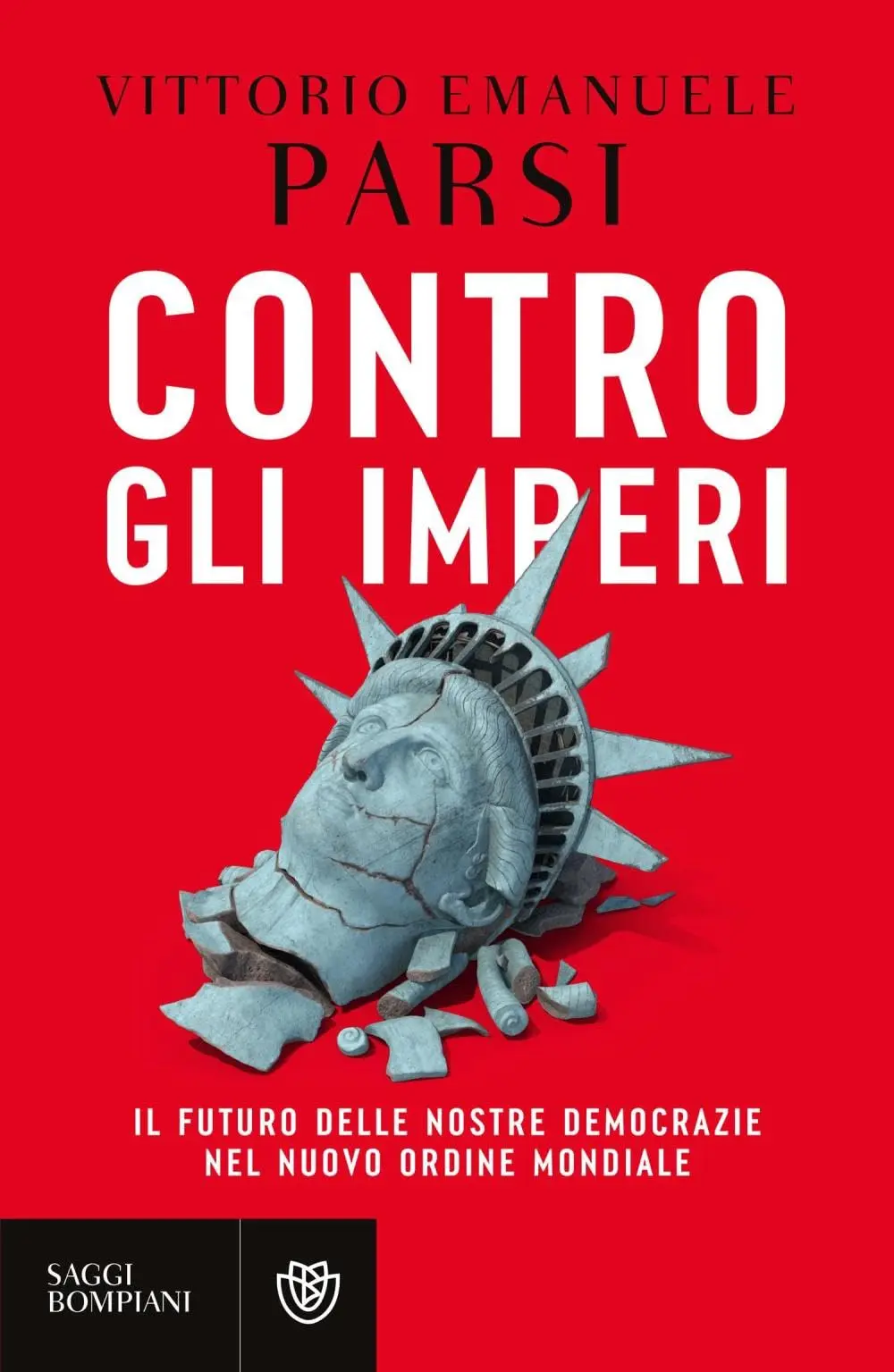
In this scenario, what is the role of those who still believe in democracy? Vittorio Emanuele Parsi explains this in his latest essay, appropriately titled, Contro gli imperi (Bompiani, 2016, pp. 208, also available as an e-book), indicating with equal clarity the consequences we will face if we fail to react: servitude.