

Spanish photojournalist Brais Lorenzo, winner of the 2026 World Press Photo Award, met with the public at the MUA in Sinnai, presenting his project " Burned Land," dedicated to the fires that devastated Galicia . The meeting was also attended by Michela Matta, Councilor for Environmental Policies for the Municipality of Sinnai, for a discussion on land protection and the environmental challenges shared by Sardinia and Galicia.
A land ravaged by flames, communities fighting to defend their homes , transformed landscapes, and memories at risk of disappearing along with the places that hold them. These are the stories told by Lorenzo Brais during the public meeting dedicated to his work .
Since 2011, Lorenzo has been documenting the forest fires affecting Galicia, closely following the work of rescuers, the experiences of residents, and the impact of the fires on local communities. This sustained commitment took on even greater urgency in 2025, when the Spanish region faced one of the most devastating fire seasons in its recent history.
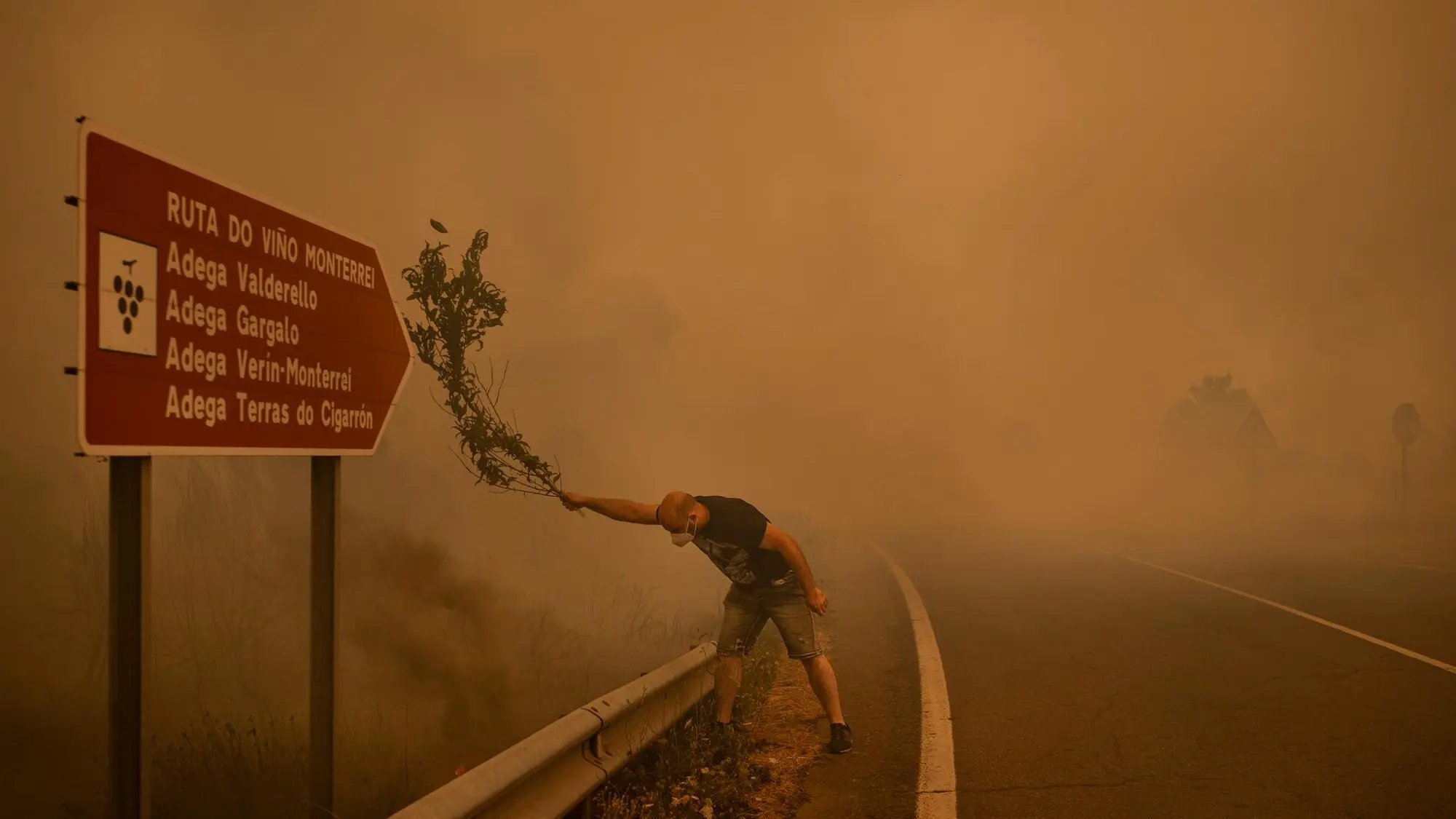
From this experience , Burned Land was born, the award-winning reportage at the 2026 World Press Photo Award, produced for EFE, Revista 5W, and El País . The project documents the fires that destroyed over 200,000 hectares of land in Galicia in the summer of 2025, conveying the scale of an environmental catastrophe through the stories of the people who lived through it.
The photographs show men and women attempting to fight the flames with the limited resources available, destroyed homes, animals rescued from danger, and landscapes scarred by devastation. Alongside the emergency dimension, a broader reflection on the causes and consequences of the fires emerges: climate change, the depopulation of rural areas, forest management policies, and the progressive fragility of the communities that inhabit these territories.
Lorenzo's work thus transcends the confines of news reporting to become a testimony to contemporary environmental and social transformations . His images also question photography's ability to construct collective memory, keeping attention alive on the consequences of disasters long after the media emergency has passed.