Direct damage amounted to over 30 million euros, with crops devastated by the fury of the bad weather and a long sequence of extreme weather events that marked the entire winter, culminating in the wettest January in the last 61 years.
The first damage assessment conducted by Coldiretti Sardegna following the passage of Cyclone Harry in January and the wave of severe weather in early February is dramatic. The toll could worsen further in the coming weeks.
For this reason, Coldiretti Sardegna has strongly urged the Region to "immediately declare a state of natural disaster, to proceed as quickly as possible with aid to the devastated farms and to establish a rapid emergency unit to quantify the losses and proceed immediately with aid."
"To date," Coldiretti explains, " artichoke production, the island's flagship crop this season, has been reduced by at least a third , with over 1,000 hectares lost due to flooding alone." Furthermore, "citrus groves have been devastated, vegetables have rotted in the fields even before harvest, farm structures have been damaged or destroyed by winds, cereals and durum wheat are at risk of having the worst season in ten years, plantings have stalled, and fodder is in dire straits . This picture," the association emphasizes, "reveals an agriculture brought to its knees not only by direct damage, but also by the consequences for the entire related industries."
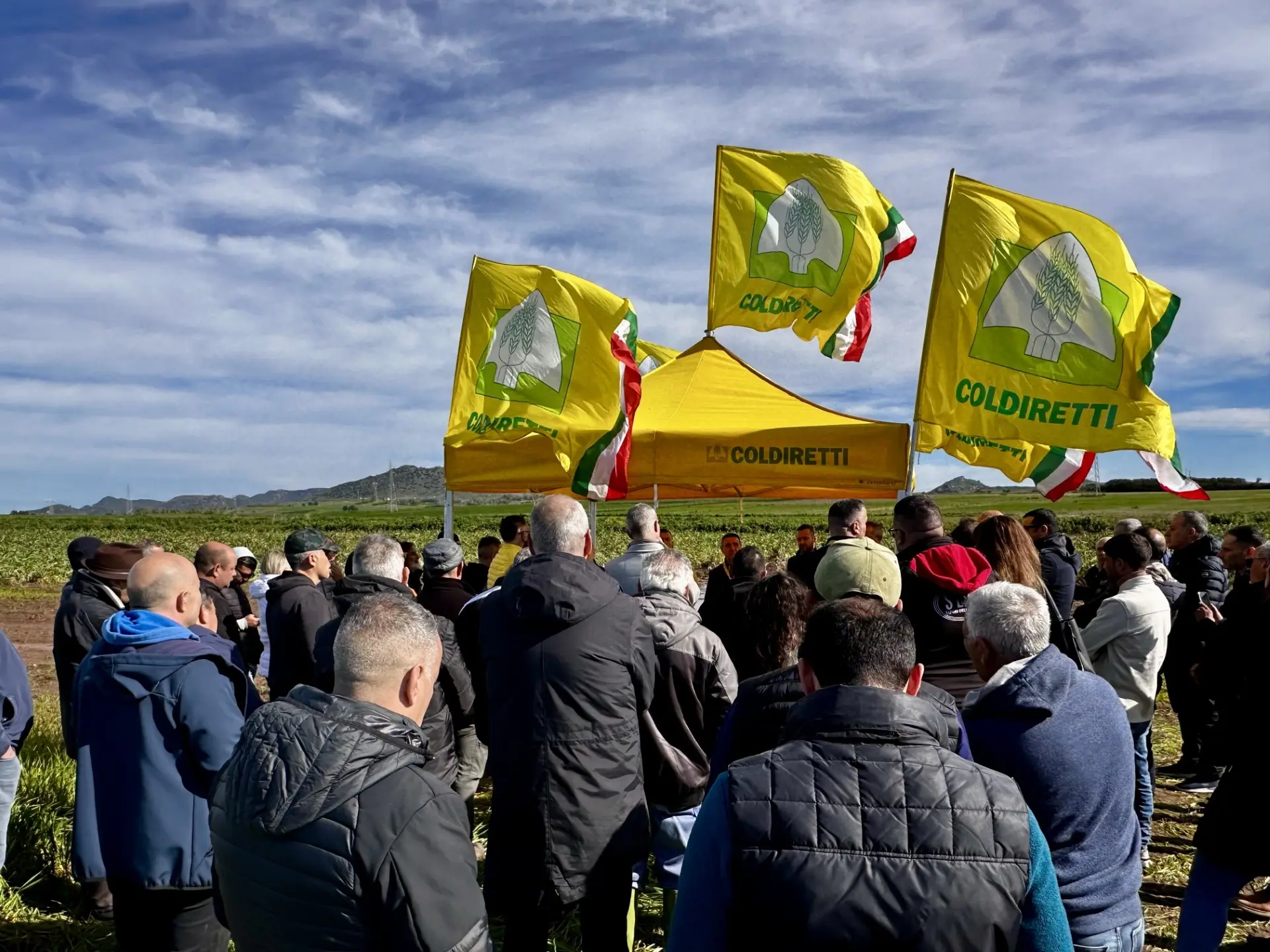
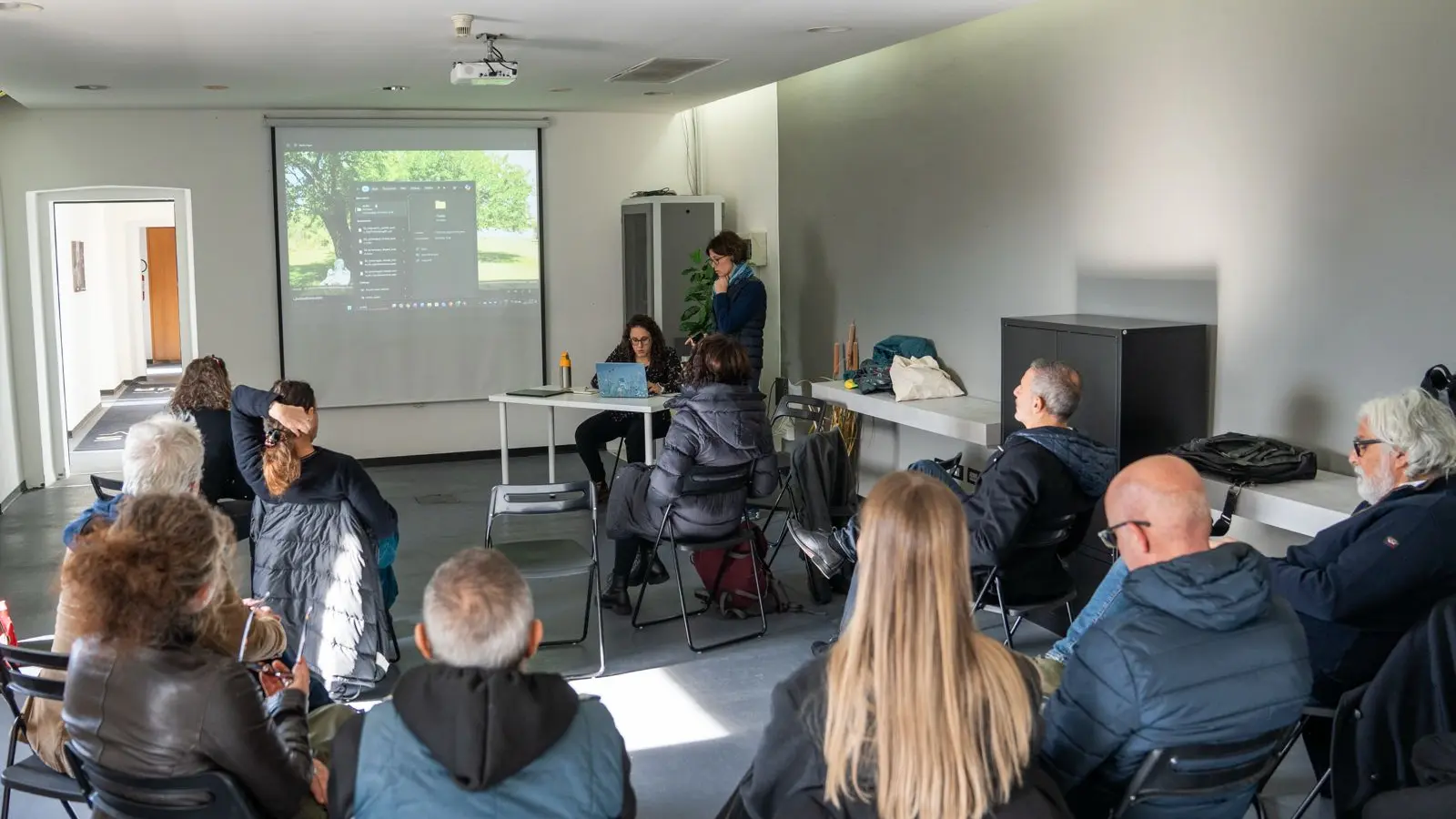
To see the gravity of the situation firsthand, Coldiretti Sardinia brought together regional leaders, the Regional Council, provincial directors, and numerous members from across the island to the Samassi countryside, one of the areas most affected by the severe weather. This on-the-ground discussion reinforced the call for immediate and extraordinary intervention from the Region.