

What makes a mind invincible over the passing of time? The answer may come from Ogliastra, the land of eternal youth: behind the phenomenon of Sardinian centenarians, in fact, lies not only genetics or fresh air, but also the secrets of a brain capable of resisting the passage of time.
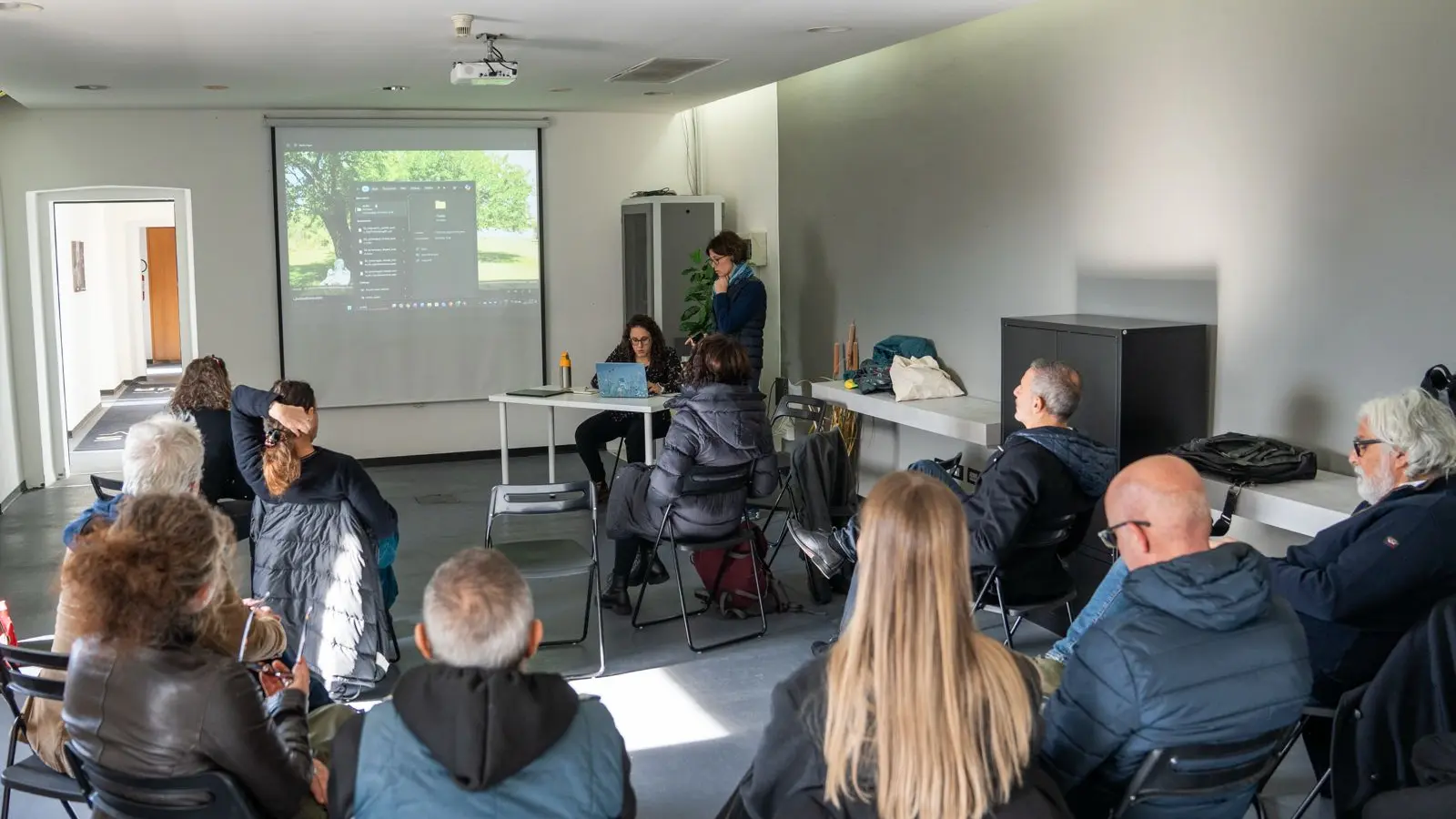
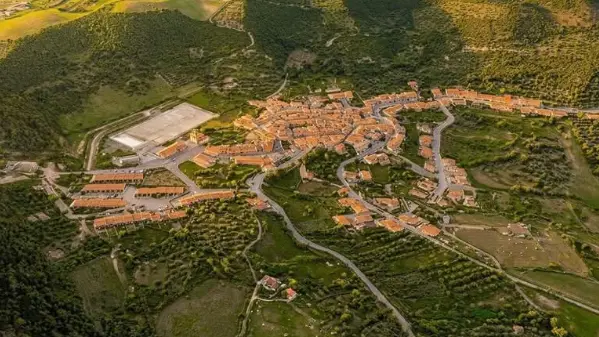
To reveal them, on November 13th and 14th the Barigau Municipal Hall in Ulassai will host the conference "Cerebral longevity and neurological diseases of the 21st century" , transforming the town into a true open-air scientific laboratory.
It will be an opportunity for scientists and experts to discuss contemporary diseases, starting right in the heart of one of the world's longest-living areas. The event is organized by the Neurology Unit of the Arnas G. Brotzu Hospital , directed by Giovanni Cossu, also the conference chair; the Stroke Unit of the Brotzu Hospital, led by Jessica Moller; and the Rehabilitation Neurology Unit of the Santissima Trinità Hospital in Cagliari, led by Giuseppina Pilia, both serving as scientific coordinators of the event; and in collaboration with the Ogliastra Local Health Authority.
The goal is to move from managing the acute event to protecting the brain globally throughout life, translating the biological mechanisms of resilience into personalized preventive and therapeutic strategies.
"Studying longevity means understanding what allows us to age while maintaining health, clarity, and independence for as long as possible. Research, combined with technological innovation and increasingly personalized medicine," states Maurizio Marcias , General Director of Arnas G. Brotzu, "offers us important tools for preventing age-related diseases and improving quality of life."
"Neurological diseases, in an aging population," says Aldo Atzori, general director of the Cagliari Local Health Authority, "require the healthcare system to make an effort that goes beyond treatment capacity and also involves the organization of services and continuity of care. Diagnosis, treatment, and rehabilitation must be part of an integrated pathway, in which hospital and community are constantly connected, avoiding interruptions in patient care."